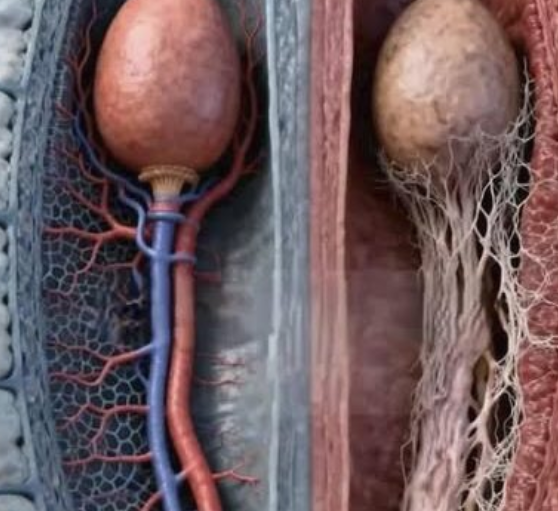
The human body is filled with organs that demand attention. The heart beats loudly in our awareness. The lungs rise and fall with every breath. The brain fascinates us with its complexity. Yet tucked quietly beneath the rib cage sit two bean-shaped organs that rarely enter daily conversation—until something goes wrong.
Your kidneys are among the most vital and hardworking systems in your body. They operate without applause, without dramatic signals, and without rest. Every minute of every day, they filter blood, regulate fluids, balance minerals, control blood pressure, and support hormone production. They influence your bones, your energy levels, your heart, and even your mental clarity.
And yet, kidney health is often overlooked.
Unlike a broken bone or a pounding headache, kidney damage does not usually announce itself. It develops silently. By the time symptoms appear, significant loss of function may already have occurred. Understanding how the kidneys work—and how modern life quietly strains them—is one of the most powerful steps toward protecting long-term health.
The Remarkable Role of the Kidneys
At their core, the kidneys function as highly specialized filtration systems. Each day, they process roughly 150–180 liters of blood. From that enormous volume, they remove waste products, excess salts, toxins, and metabolic byproducts. What remains is carefully balanced and returned to circulation.
But filtration is only the beginning.
Your kidneys also:
-
Regulate fluid balance
-
Control electrolyte levels such as sodium, potassium, and calcium
-
Maintain acid–base balance in the bloodstream
-
Release hormones that regulate blood pressure
-
Stimulate red blood cell production
-
Support bone strength through vitamin D activation
Few organs carry such broad responsibility. In fact, kidney function is deeply interconnected with nearly every major body system.
When kidneys are healthy, the body operates in quiet harmony. When they begin to decline, that harmony slowly unravels.
Why Kidney Disease Is So Dangerous
One of the most alarming aspects of kidney disease is its silence.
The kidneys have an extraordinary ability to compensate for damage. A person can lose up to 40–50% of kidney function without experiencing obvious symptoms. There is often no pain in the early stages. No dramatic warning sign. No urgent alarm.
Instead, subtle changes occur:
-
Mild fatigue
-
Slight swelling in ankles or fingers
-
Minor changes in urination
-
Slight increases in blood pressure
These signs are easy to dismiss.
By the time more noticeable symptoms appear—persistent swelling, significant fatigue, nausea, shortness of breath, or changes in urine color—damage may already be advanced.
This is why chronic kidney disease (CKD) is often diagnosed late. Routine testing becomes crucial because symptoms alone are unreliable indicators.
The Modern Diet: A Hidden Stress Test
Today’s food environment places constant pressure on kidney function.
Excess Sodium
High sodium intake is one of the most significant threats to kidney health. Processed foods, canned meals, fast food, packaged snacks, and restaurant dishes often contain far more salt than the body requires.
Excess sodium raises blood pressure. Elevated blood pressure damages the tiny blood vessels (glomeruli) inside the kidneys that perform filtration. Over time, these vessels scar and lose efficiency.
High blood pressure is both a cause and consequence of kidney disease, creating a dangerous cycle.
Excess Sugar and Diabetes
Type 2 diabetes is the leading cause of chronic kidney disease worldwide.
High blood sugar damages blood vessels throughout the body—including those inside the kidneys. Over time, the delicate filtration units become inflamed and begin leaking protein into the urine.
This early warning sign, known as proteinuria, is often detected only through laboratory testing.
Refined carbohydrates and sugary beverages contribute to insulin resistance, which accelerates metabolic strain on the kidneys. The damage may unfold slowly, but it compounds year after year.
Ultra-Processed Foods and Inflammation
Highly processed foods are not just high in sodium and sugar. They are also linked to chronic inflammation.
Inflammation narrows blood vessels, reduces oxygen delivery, and interferes with normal cellular repair processes. Because the kidneys contain dense networks of small blood vessels, they are particularly vulnerable to inflammatory damage.
Over time, chronic inflammation can quietly erode kidney resilience.
Dehydration: The Overlooked Threat
Many people function in a state of mild dehydration without realizing it.
When fluid intake is consistently low, the kidneys must concentrate urine more aggressively. This places strain on their filtration systems and increases the risk of:
-
Kidney stones
-
Urinary tract infections
-
Reduced filtration efficiency
-
Long-term functional decline
Hydration does not require excessive water intake, but consistent fluid consumption tailored to activity level, climate, and individual health needs is essential.
Repeated dehydration—even mild—adds cumulative stress.
Blood Pressure: The Silent Partner
Kidneys and blood pressure are deeply intertwined.
The kidneys regulate blood pressure through hormone release and fluid balance. At the same time, high blood pressure damages kidney tissue.
This two-way relationship creates a feedback loop:
High blood pressure damages kidneys → damaged kidneys raise blood pressure → further damage occurs.
Without monitoring, this cycle can progress unnoticed for years.
The Hormonal Influence of Aging
As people age, kidney function naturally declines. After age 40, filtration capacity may decrease gradually each decade.
Hormonal changes—particularly those affecting women during menopause—can influence blood pressure regulation and metabolic balance. Men may also experience shifts in cardiovascular risk factors that indirectly affect kidney health.
Aging alone does not cause kidney failure. However, combined with high blood pressure, diabetes, or chronic inflammation, age-related decline can accelerate.
Medication and Supplement Risks
Over-the-counter medications are widely used and often considered harmless. However, certain drugs can strain kidney function.
Nonsteroidal anti-inflammatory drugs (NSAIDs) such as ibuprofen and naproxen reduce blood flow to the kidneys when used frequently or at high doses. Long-term misuse can lead to kidney injury.
Certain antibiotics, contrast dyes used in imaging tests, and even some herbal supplements may pose risks, especially in people with preexisting kidney concerns.
Responsible medication use includes:
-
Avoiding unnecessary long-term use
-
Using the lowest effective dose
-
Consulting healthcare professionals about interactions
-
Monitoring kidney function if on chronic medications
The Role of Lifestyle
Kidney health reflects daily habits.
Physical Inactivity
Sedentary lifestyles contribute to obesity, high blood pressure, and insulin resistance—all major risk factors for kidney disease.
Even moderate physical activity improves circulation, reduces inflammation, and supports metabolic balance.
Consistency matters more than intensity.
Chronic Stress
Stress affects hormonal systems tied to blood pressure and fluid regulation. Elevated stress hormones over time may contribute indirectly to kidney strain.
Stress management through sleep, physical activity, mindfulness, or counseling can support overall systemic balance.
Sleep Deprivation
Poor sleep affects glucose metabolism, blood pressure regulation, and inflammation levels. Chronic sleep deprivation has been associated with increased risk of metabolic disorders that burden kidney function.
Restorative sleep supports hormonal balance and cardiovascular health—both essential for kidney preservation.
The Power of Early Detection
Because kidney disease progresses silently, routine testing becomes critical.
Simple evaluations include:
-
Blood tests measuring creatinine and estimated glomerular filtration rate (eGFR)
-
Urine tests checking for protein leakage
-
Blood pressure monitoring
-
Blood sugar screening
These tests can identify early changes long before symptoms appear.
For individuals with risk factors such as diabetes, hypertension, heart disease, or family history of kidney problems, regular monitoring is especially important.
Early detection allows for:
-
Medication adjustments
-
Dietary modifications
-
Blood pressure control
-
Blood sugar optimization
-
Slowed disease progression
The earlier intervention begins, the better the outcome.
Protecting Kidney Health: Practical Steps
Kidney protection does not require extreme measures. It requires consistent ones.
-
Stay adequately hydrated.
Drink fluids consistently, adjusting for activity and climate. -
Limit sodium intake.
Reduce processed foods and check nutrition labels. -
Control blood sugar.
Minimize added sugars and refined carbohydrates. -
Monitor blood pressure.
Maintain healthy levels through diet, exercise, and medical guidance. -
Stay active.
Engage in regular, moderate physical movement. -
Use medications responsibly.
Avoid frequent NSAID overuse and consult healthcare providers. -
Get regular screenings.
Early testing prevents late-stage surprises.
The Bigger Picture: Kidneys and Whole-Body Vitality
Kidneys are not isolated organs. Their influence reaches:
-
The heart (through blood pressure regulation)
-
The bones (through vitamin D activation and mineral balance)
-
The blood (through red blood cell production)
-
The brain (through toxin removal and fluid regulation)
-
The immune system (through inflammation control)
When kidney function declines, fatigue increases, cognitive clarity may diminish, and cardiovascular risk rises.
Protecting kidney health is not just about preventing dialysis. It is about preserving energy, stability, and resilience across decades.
A Silent System Worth Protecting
The kidneys do not ask for attention with pain or urgency. They adapt. They compensate. They quietly absorb strain until they can no longer do so.
By the time symptoms appear, much of the damage may already be done.
But this does not make kidney disease inevitable.
Small, consistent decisions—hydration, balanced nutrition, responsible medication use, blood pressure control, routine testing—form the foundation of prevention.
These silent filters shape your health every day. They balance your blood, regulate your systems, and sustain life with quiet precision.
When cared for properly, they continue their work without complaint.
And though you may never feel them working, you would profoundly feel their absence.
Protect them early.
Protect them consistently.
Because in the silence of kidney health lies the stability of the entire body.