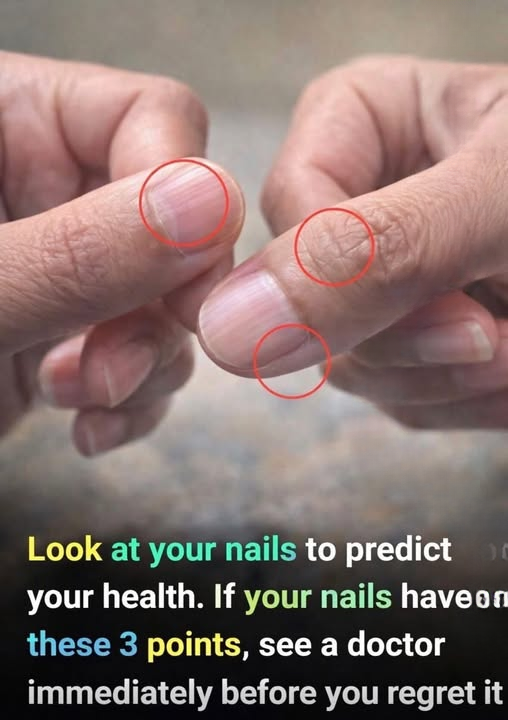
Many people eventually notice thin lines running from the base of the fingernail toward the tip. At first, the change can feel surprising. Nails that once looked smooth may begin showing subtle ridges, especially under bright light or after applying nail polish.
For many adults, these vertical lines become more visible over time, often after middle age. In most cases, they are a normal part of aging rather than a sign of serious illness.
Just as skin develops fine lines and hair changes texture over the years, nails also evolve with time.
Understanding why vertical nail ridges appear can help reduce unnecessary worry and make it easier to care for your nails properly.
What Are Vertical Nail Ridges?
Vertical nail ridges are raised or visible lines that run lengthwise from the cuticle area to the tip of the nail.
They are also sometimes called:
- Longitudinal ridges
- Longitudinal striations
- Natural nail lines
These ridges follow the direction the nail grows. They are different from horizontal grooves or deep indentations that run across the nail, which may have other causes and sometimes deserve closer attention.
Mild vertical ridging is extremely common.
Why Nails Change With Age
Nails are made mostly of keratin, the same structural protein found in hair and the outer layer of skin.
Healthy nail growth depends on smooth and consistent production of new cells in the nail matrix, the area beneath the cuticle where the nail begins forming.
As the body ages, several natural changes can affect this process:
- Slower cell turnover
- Slightly less even keratin production
- Reduced moisture retention
- Greater brittleness
- Slower growth speed in some people
These subtle shifts can make ridges easier to see.
In many cases, the ridges were always there in a mild form but become more visible with time.
Dryness Makes Ridges Stand Out More
One of the biggest reasons nail ridges become more noticeable is dryness.
Aging nails often hold less moisture than younger nails. Dry nails may look rougher, feel more brittle, and reflect light differently. This can make even small ridges appear stronger than they really are.
Common causes of dryness include:
- Frequent hand washing
- Hand sanitizer use
- Cold weather
- Low humidity
- Harsh soaps
- Cleaning chemicals
- Repeated water exposure without protection
When nails and cuticles are moisturized regularly, ridges often look less dramatic.
Everyday Habits That Affect Nail Texture
Several routine habits can influence how smooth or ridged nails appear.
Frequent Wet-Dry Cycles
Hands that are constantly washed or soaked and dried may lose natural oils.
Cleaning Products
Detergents and chemicals can dry the nail surface.
Picking or Pushing Cuticles Aggressively
This may irritate the nail growth area.
Rough Filing
Harsh filing can thin the nail or create uneven edges.
Nail Product Overuse
Repeated acetone use or harsh treatments may weaken nails.
Small habits repeated over years can affect nail appearance.
Nutrition and Nail Health
Nails are not only shaped by age and environment. Internal health also plays a role.
The body needs nutrients to support normal nail growth and repair. If nutrition is consistently poor, nail texture may become more fragile or uneven.
Important nutritional factors can include:
- Protein
- Iron
- Zinc
- Biotin
- B vitamins
- Omega-3 fats
- Overall calorie intake
This does not mean every ridge is caused by deficiency. In fact, most age-related ridges are normal. But overall nutrition supports healthier nail growth.
Balanced eating benefits more than just nails—it supports the whole body.
Circulation and Growth Changes
Blood flow helps deliver oxygen and nutrients to the nail matrix. As circulation changes with age or lifestyle factors, growth quality may be affected slightly.
This does not usually create dramatic changes on its own, but it can contribute to slower growth or more visible texture over time.
Regular movement, hydration, and general cardiovascular health may support healthy circulation throughout the body, including the hands.
Hormonal Changes Can Influence Nails Too
Hormones affect many body systems, including skin, hair, and nails.
Changes related to aging, menopause, thyroid function, or other hormonal shifts may influence:
- Growth speed
- Moisture balance
- Brittleness
- Texture
- Strength
Again, this does not mean ridges are automatically a hormonal problem. It simply means body chemistry can play a role in nail appearance.
When Vertical Ridges Are Usually Normal
In most cases, vertical ridges are harmless when they are:
- Mild
- Gradual in onset
- Present on multiple nails
- Similar over time
- Not painful
- Unaccompanied by major color change or damage
For many adults, they are simply another normal sign of aging.
Just like laugh lines or gray hair, they reflect natural changes rather than disease.
When to Pay Closer Attention
Although vertical ridges are often harmless, it may be wise to seek medical advice if changes are sudden or unusual.
Consider professional guidance if ridges appear with:
- Nail splitting or severe brittleness
- Pain
- Dark streaks or color changes
- Thickening or distortion
- Swelling around the nail
- Sudden changes in one nail only
- Skin symptoms elsewhere
- Ongoing fatigue or other health concerns
A healthcare professional can help determine whether further evaluation is needed.
Simple Ways to Care for Ridged Nails
You cannot stop all age-related changes, but you can support healthier-looking nails.
Moisturize Daily
Use hand cream or cuticle oil regularly.
Protect During Chores
Wear gloves when cleaning or washing dishes.
File Gently
Use a fine file and avoid aggressive shaping.
Stay Hydrated
Hydration supports overall tissue health.
Eat a Balanced Diet
Consistent nutrition helps nail growth.
Limit Harsh Products
Reduce exposure to drying chemicals when possible.
Be Patient
Nails grow slowly, so improvements take time.
Small habits often make the biggest difference.
Cosmetic Tips If Appearance Bothers You
If ridges are mostly a cosmetic concern, a few options may help.
- Light buffing (gently and not too often)
- Ridge-filling base coat under polish
- Clear strengthening polish
- Keeping nails trimmed and neat
- Regular moisturizing for smoother appearance
Avoid over-buffing, as thinning the nail can cause more problems.
Why Nail Changes Can Feel Surprising
Hands are visible every day, so small changes are easy to notice. Because nails often receive less attention than skin or hair, new ridges can seem sudden even when they developed gradually.
That surprise can create unnecessary worry.
In reality, many nail changes happen slowly and naturally over years.
Understanding normal aging can make those changes feel less alarming.
Final Thoughts
Vertical nail ridges become more common with age because nails, like the rest of the body, naturally change over time. Slower keratin production, dryness, environmental exposure, and internal factors can all make these lines more visible.
For most people, they are harmless and simply part of aging.
With regular moisturizing, gentle nail care, and attention to overall health, nails can remain strong and healthy-looking for years to come.
Sometimes the best explanation is also the simplest one: your nails are changing because your body is, too—and that is completely normal.