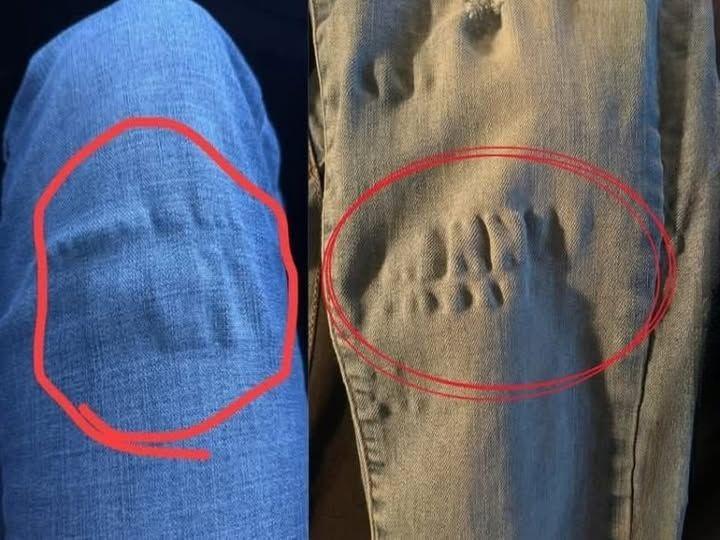
Few clothing items are worn as often as jeans. They are dependable, comfortable, and versatile enough for everyday life. That is why it can be frustrating when a favorite pair comes out of the wash looking warped, wrinkled, or covered in strange ripples.
Many people notice puckering around the thighs, knees, seams, or pockets after laundering. The denim may still fit, but the surface no longer looks smooth. Instead, it has waves, twists, or uneven texture that was not there before.
It often feels random.
But those ripples usually happen for clear reasons related to fabric composition, heat, moisture, and washing habits.
The good news is that understanding why it happens can help you prevent it and keep jeans looking better for longer.
Modern Jeans Are Not Always Pure Cotton
Traditional denim was often made from 100% cotton. While durable, pure cotton jeans can feel stiff and less flexible.
Many modern jeans now include stretch fibers such as:
- Elastane
- Spandex
- Lycra
- Similar synthetic stretch materials
These fibers make jeans more comfortable, easier to move in, and more form-fitting.
That stretch comes with trade-offs.
Blended fabrics can react differently to heat and washing than classic rigid denim. When cotton and stretch fibers respond differently during laundering, surface distortion can occur.
That is one of the main reasons ripples appear.
Heat Is a Major Cause of Puckering
Stretch fibers are more sensitive to heat than cotton.
Hot water in the washer or high temperatures in the dryer can weaken elastic fibers over time. When that happens, the surrounding cotton denim may contract or shift unevenly.
The result can look like:
- Ripples
- Wavy patches
- Twisting fabric
- Puckered seams
- Uneven surface texture
Sometimes the damage is gradual. A pair of jeans may look fine for months before changes become noticeable.
Repeated exposure to heat usually increases the risk.
Why Overwashing Speeds Up Wear
Many people wash jeans far more often than necessary.
Unlike workout clothing or heavily soiled garments, jeans often do not need laundering after every wear. Frequent washing exposes the fabric repeatedly to:
- Water swelling
- Agitation
- Friction
- Detergent
- Spin cycles
- Drying heat
Over time, these forces wear fibers down and increase the chance of distortion.
This does not mean jeans should never be washed. It means thoughtful washing can extend their life.
Washing Machine Movement Matters Too
Inside a washing machine, jeans do not sit neatly in place.
They tumble, twist, stretch, fold, and rub against other items. Heavy denim can become tightly wrapped or pulled during the cycle, especially when the machine is crowded.
That uneven movement may create tension in certain areas more than others.
Common trouble spots include:
- Knees
- Thighs
- Waistbands
- Pocket areas
- Seams
- Hems
Instead of shrinking evenly, the jeans may dry with waves or puckers in stressed sections.
Uneven Water Absorption Changes the Fabric
Denim does not always absorb water evenly.
Some sections may soak more than others depending on thickness, seams, stretch content, and how the jeans are folded during washing. As the fabric dries, different sections may contract at slightly different rates.
This uneven drying can leave visible distortion.
Stretch denim is especially prone to this because blended fibers do not all behave the same way when wet and heated.
Overloaded Machines Make It Worse
Stuffing too many clothes into the washer or dryer creates extra problems.
When machines are overloaded:
- Clothes cannot move freely
- Fabric twists more easily
- Water and detergent distribute less evenly
- Drying becomes inconsistent
- Creases set in awkward positions
Heavy jeans trapped under other items may dry in a twisted shape, causing stubborn wrinkles or ripples.
Giving denim enough space can make a noticeable difference.
Why Seams Ripple First
Many people notice puckering along seams before the rest of the jeans.
That happens because seams combine multiple layers of fabric and stitching. Different layers may shrink or react to washing at different rates. Thread may also respond differently than denim fabric.
This creates tension lines that pull the surrounding material into waves.
Seam puckering is common in many garments, not just jeans.
Can Ripples Be Fixed?
Sometimes mild ripples improve with proper care, but not all distortion is reversible.
You may see improvement by:
- Washing again in cold water
- Reshaping while damp
- Air drying flat or hanging properly
- Light steaming
- Gentle ironing if label allows
However, if elastic fibers have been damaged by heat, permanent texture changes may remain.
Prevention is usually easier than repair.
Best Way to Wash Jeans
To reduce puckering and extend lifespan, many people find these habits helpful.
Use Cold Water
Cooler water is gentler on fibers and helps reduce shrinkage.
Turn Jeans Inside Out
This reduces surface friction and protects color.
Choose Gentle Cycle
Less aggressive movement means less stress on fabric.
Wash With Similar Items
Avoid mixing with rough or heavy items that cause abrasion.
Use Mild Detergent
Harsh detergents may weaken fibers faster.
Avoid Overwashing
Wash when needed rather than automatically after every wear.
Best Way to Dry Jeans
Drying habits matter just as much as washing.
Air Dry When Possible
This avoids heat damage and helps jeans hold shape.
If Using a Dryer, Choose Low Heat
Lower temperatures are gentler on stretch fibers.
Remove Slightly Damp
Let jeans finish drying naturally to reduce overexposure.
Reshape by Hand
Smooth seams and straighten legs before drying fully.
Do Not Overcrowd the Dryer
Space allows more even drying.
These small steps can preserve both fit and appearance.
How Often Should You Wash Jeans?
There is no single rule for everyone.
It depends on:
- Climate
- Activity level
- Sweat exposure
- Spills or stains
- Personal preference
- Fabric type
Some jeans can be worn multiple times before washing if they remain clean and fresh. Spot cleaning and airing out between wears can also help.
The key is balancing hygiene with fabric care.
Why Quality Matters
Better-made jeans often use stronger stitching, more stable fabric blends, and better construction methods. While any jeans can ripple under harsh care, higher-quality pairs may resist distortion longer.
When shopping, consider:
- Fabric composition
- Amount of stretch
- Stitch quality
- Weight of denim
- Care label instructions
Sometimes spending a little more saves money over time through durability.
Common Mistakes to Avoid
- Washing in hot water
- Drying on high heat
- Overloading machines
- Washing after every wear unnecessarily
- Ignoring care labels
- Leaving jeans twisted after washing
- Using harsh cycles regularly
Avoiding these habits can make a major difference.
Final Thoughts
Those weird ripples that appear on jeans after washing are usually caused by a mix of heat, fabric blends, twisting movement, uneven drying, and repeated wear on fibers. Modern stretch denim is comfortable, but it often needs gentler care than classic rigid jeans.
The best protection is simple: wash less often, use cold water, avoid high heat, and give jeans room to move.
With the right habits, your favorite pair can stay smoother, fit better, and last much longer.
Sometimes the problem is not the jeans—it is how the laundry process treats them.