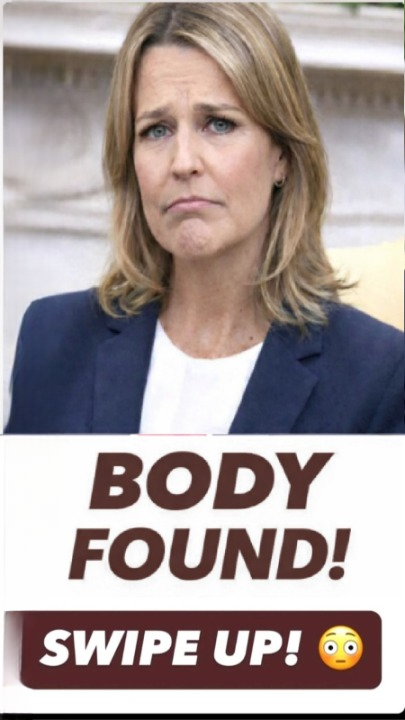
The internet moves fast, and shocking headlines spread even faster. Every day, millions of people scroll through social media feeds, websites, and recommendation boxes filled with dramatic stories designed to grab attention in seconds. Many of these headlines use emotional language, mystery, or fear to make readers click before thinking twice. One common example is the type of post that begins with phrases like “Sad News,” “Confirmed,” “Breaking,” or “Just Minutes Ago.”
A headline involving television personality Savannah Guthrie is a perfect example of how these stories are often created to trigger curiosity and emotion. The wording suggests something tragic and urgent has happened, but once examined closely, the story often lacks reliable evidence, trusted sources, or factual reporting.
This article explains why such viral celebrity headlines spread so easily, how misleading content is designed, what warning signs to look for, and how readers can protect themselves from false or exaggerated stories online.
Why Celebrity Headlines Spread So Quickly
Celebrities attract attention naturally. Well-known public figures appear on television, in interviews, on social media, and in entertainment news every day. Because people recognize their names instantly, publishers know that attaching a celebrity name to a dramatic headline can generate large numbers of clicks.
When readers see a familiar name connected to shocking news, curiosity takes over. They want to know:
- What happened?
- Is the person okay?
- Is this real?
- Why is everyone talking about it?
- Did something tragic occur?
That emotional reaction is exactly what click-driven websites rely on.
Even when the story turns out to be misleading, many users have already clicked, viewed ads, and shared the content before verifying anything.
The Power of Emotional Headlines
Headlines are powerful because they shape first impressions. A carefully chosen title can make a routine event sound dramatic or make an unverified rumor feel urgent.
Some common emotional phrases include:
- Sad News
- Heartbreaking Update
- Confirmed Today
- Fans Are In Tears
- Tragic Discovery
- Breaking Story
- Shocking Announcement
- Just Revealed
- You Won’t Believe What Happened
- Moments Ago
These phrases are designed to create emotional pressure. They encourage immediate clicks instead of thoughtful reading.
When paired with a celebrity name, they become even more effective.
Why “10 Minutes Ago” Is a Red Flag
Many misleading stories use fake urgency. Saying something happened “10 minutes ago” or “just now” gives the impression that the news is fresh and exclusive.
In reality, these phrases are often repeated for days, weeks, or even months. The article may have no publication date at all, or the date may not match the claim.
This tactic works because people are naturally drawn to breaking developments. They do not want to miss important news, especially involving a well-known person.
Whenever a headline uses extreme urgency without naming a trusted source, readers should slow down and verify first.
Incomplete Headlines Designed to Force Clicks
Another common trick is the incomplete headline.
Examples include:
- Savannah Guthrie was confirmed as…
- Fans were stunned when she revealed…
- Doctors said the unthinkable about…
- What happened next shocked everyone…
These titles intentionally leave out the key fact. The missing information creates a “curiosity gap” that pushes readers to click for answers.
Often, the final article does not deliver meaningful information at all.
How Misleading Stories Are Structured
Many low-quality celebrity stories follow the same pattern.
Step 1: Use a Famous Name
The story starts with someone widely recognized.
Step 2: Add Drama
Words like tragedy, heartbreak, disappearance, or shock are inserted.
Step 3: Create Mystery
Important facts are hidden from the headline.
Step 4: Trigger Emotion
Readers feel concern, fear, or sympathy.
Step 5: Show Ads
Once clicked, the page displays ads, pop-ups, recommendation widgets, or sponsored links.
The real product is not the story. The real goal is traffic and ad revenue.
Why Fake Stories Often Include Disturbing Details
Some misleading articles include dark or cinematic details such as:
- Blood at the scene
- Missing footage
- Torn camera devices
- Family in tears
- Silent investigators
- Growing fear
- Unknown suspects
These details make the story feel intense and dramatic. Even when unverified, they can create the illusion of authenticity.
Readers may assume that specific details mean the report is real. But fabricated stories often rely on invented detail to seem believable.
Specific wording does not equal verified truth.
Why Trusted Sources Matter
Reliable journalism follows clear standards. Credible news organizations typically provide:
- Named reporters
- Publication dates
- Verified sources
- Quotes from officials
- Evidence or documentation
- Corrections when needed
- Contact information
- Editorial standards
Misleading sites often provide none of these.
Instead, they may use vague phrases like:
- Sources say
- Reports claim
- It has been learned
- Insiders revealed
- Rumors are growing
- People are saying
Without real sourcing, readers should remain cautious.
The Role of Social Media in Viral Rumors
Social media platforms make it easy for dramatic content to spread quickly. A single screenshot or shared headline can reach thousands of people before anyone checks whether it is true.
Many users share content because:
- The headline shocked them
- They wanted to warn others
- They assumed someone else had verified it
- The story confirmed their fears
- It was emotionally compelling
By the time the truth catches up, the rumor may already be everywhere.
This is why critical thinking matters more than speed.
Why Celebrity Death Hoaxes and Tragedy Rumors Keep Returning
False stories about celebrity deaths, arrests, illnesses, or family tragedies are not new. They have existed for years because they consistently attract attention.
These rumors succeed because they combine three powerful elements:
- Recognition
- Emotion
- Urgency
When people see a famous name and a dramatic claim, many react instantly.
Unfortunately, repeated false stories can also cause real harm.
The Human Cost of False Celebrity Stories
Some people dismiss clickbait as harmless entertainment, but it can have serious consequences.
Emotional Stress for Fans
Fans may feel sadness or panic after reading false claims.
Harm to Families
Friends and relatives of public figures may be affected by rumors.
Damage to Reputation
Repeated false stories can distort public perception.
Distrust in Real News
When misleading stories become common, people may struggle to trust legitimate reporting.
Exploitation of Tragedy
Real pain is sometimes used as a tool for clicks and revenue.
These effects remind us that accuracy matters.
How to Fact-Check a Viral Headline
The good news is that fact-checking is often simple.
1. Search Trusted News Sources
Look for reports from recognized outlets with editorial standards.
2. Check Official Accounts
Public figures often use verified social media accounts or official websites.
3. Compare Multiple Reports
If only one unknown site is reporting the claim, be cautious.
4. Read Beyond the Headline
Sometimes the title exaggerates what the article actually says.
5. Look for Evidence
Are there names, quotes, dates, or official statements?
6. Watch for Recycled Stories
Old stories are sometimes reposted as new breaking news.
Signs a Website May Be Low Quality
Not every small website is unreliable, but some warning signs include:
- Excessive ads everywhere
- Pop-ups blocking the page
- Poor grammar
- No author listed
- No about page
- Sensational headlines only
- Repetitive celebrity stories
- No clear sources
- Misleading thumbnails
- Strange recommendation widgets
If several of these signs appear together, skepticism is wise.
Why Recommendation Boxes Can Be Misleading
Many websites use content recommendation widgets that display dramatic stories below articles. These boxes often contain headlines such as:
- You won’t believe this actor now
- Doctors were shocked
- She disappeared overnight
- Fans can’t stop crying
- Secret finally revealed
Their purpose is to keep users clicking from one emotional story to another.
Each click generates more ad impressions and more revenue.
The Business Model Behind Clickbait
Understanding the business model helps explain why misleading headlines continue.
Many websites earn money when visitors view pages containing advertisements. Revenue may increase through:
- Page views
- Ad impressions
- Time on site
- Multiple article clicks
- Sponsored recommendations
This creates an incentive to maximize traffic rather than accuracy.
The more shocking the headline, the more curiosity it creates.
Why Readers Click Even When They Know Better
Even experienced internet users can be fooled occasionally. That happens because clickbait is designed around psychology.
It uses:
- Fear of missing out
- Emotional urgency
- Curiosity gaps
- Familiar names
- Surprise
- Concern
- Social proof
These reactions happen quickly and often automatically.
Recognizing the tactic is the first step to resisting it.
How Responsible Content Differs
High-quality content can still be engaging without being deceptive. Responsible headlines aim to inform clearly rather than manipulate emotion.
Examples:
- What Is Known About the Rumor Involving Savannah Guthrie
- How to Verify Viral Celebrity Headlines Online
- Why Misleading Breaking News Posts Spread So Fast
- Understanding Clickbait and Celebrity Hoaxes
These titles still attract interest, but they respect the reader.
How Readers Can Build Better Habits
Improving digital habits does not require expert training. A few simple changes make a big difference.
Pause Before Sharing
Take a moment before reposting dramatic claims.
Read the Source
Check who published the story.
Verify First
Search for confirmation elsewhere.
Be Skeptical of Extreme Emotion
Strong emotional language is often intentional.
Teach Others
Helping friends and family recognize misleading headlines improves everyone’s experience online.
Why Media Literacy Matters Today
The modern internet gives people access to more information than ever before. That is a powerful advantage—but only when users can separate reliable reporting from manipulative content.
Media literacy means learning how information is created, framed, distributed, and monetized. It helps people ask smart questions like:
- Who benefits from this story?
- Where is the evidence?
- Why is the headline written this way?
- Is this source trustworthy?
- What facts are missing?
These questions protect readers from being misled.
A Better Way to Consume News
Healthy news habits can reduce stress and confusion.
Try these approaches:
- Follow trusted news organizations directly
- Limit random click-driven feeds
- Read full articles, not just headlines
- Compare perspectives
- Avoid rage-clicking sensational stories
- Focus on quality over quantity
This leads to a calmer and more informed online experience.
Final Thoughts
Viral headlines about celebrities often spread because they combine fame, emotion, and urgency in ways that trigger immediate reactions. A dramatic story involving Savannah Guthrie is a reminder that not everything online is what it appears to be.
When a headline uses phrases like “sad news,” “confirmed,” or “10 minutes ago” without reliable evidence, caution is the smartest response. Many of these stories are built to attract clicks rather than inform readers.
The best defense is simple: slow down, verify the source, compare reports, and think critically before sharing. In a world full of attention-grabbing content, careful readers have more power than ever.