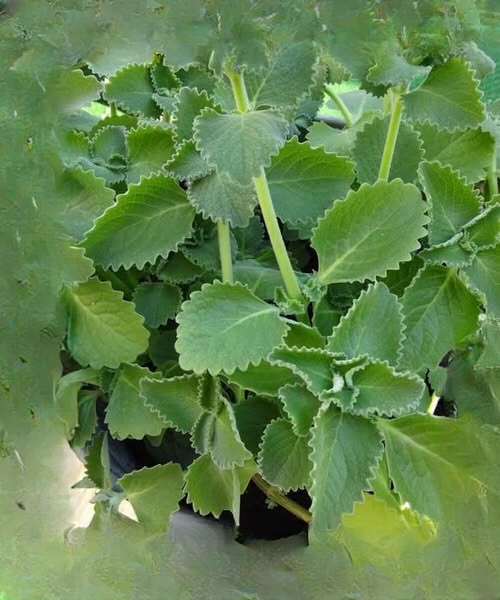
Oregano is one of the most widely recognized culinary herbs in the world. Known for its strong aroma and slightly peppery taste, it has been used for centuries in kitchens across the Mediterranean, Middle East, and beyond. While many people simply think of it as a pizza or pasta seasoning, oregano has a much deeper history and a growing reputation in nutritional discussions.
In recent years, it has often been labeled as a “powerful herb” due to the natural compounds found in its leaves. However, it is important to approach such claims with balance and scientific realism. Oregano is not a cure-all, nor is it a replacement for a healthy diet or medical care. Instead, it should be understood as a supportive ingredient that can contribute flavor, variety, and small nutritional benefits when used as part of a balanced lifestyle.
This article takes a closer look at oregano—what it is, what it contains, how it is used, and what research suggests about its potential health-supporting properties.
What Exactly Is Oregano?
Oregano, scientifically known as Origanum vulgare, is a perennial herb belonging to the mint family. It naturally grows in warm climates, especially in regions around the Mediterranean, parts of Europe, and Asia. The plant produces small green leaves that are harvested either fresh or dried for culinary use.
Its strong scent and flavor come from naturally occurring plant compounds, which include:
- Carvacrol
- Thymol
- Rosmarinic acid
- Various flavonoids and antioxidants
These compounds are responsible not only for oregano’s distinctive taste but also for the scientific interest surrounding it.
Fresh oregano tends to have a milder flavor, while dried oregano is more concentrated and widely used in cooking.
Nutritional Components of Oregano
Although oregano is typically consumed in small quantities, it still contains a variety of beneficial plant-based nutrients. It is not eaten as a primary food source but rather as a seasoning that adds both flavor and small nutritional contributions.
Oregano may contain:
- Antioxidants that help protect cells from oxidative stress
- Vitamin K, which plays a role in normal blood clotting and bone health
- Vitamin A in small amounts
- Trace minerals such as iron, calcium, and manganese
- Natural plant compounds studied for antimicrobial activity in laboratory settings
Because oregano is usually sprinkled or mixed into dishes in small amounts, it should be seen as a complementary part of nutrition rather than a main source of nutrients.
Traditional and Historical Use
Oregano has a long history of use in traditional herbal practices. Ancient cultures valued herbs not only for flavor but also for their perceived wellness properties. Oregano was often included in herbal preparations, teas, and natural remedies.
Historically, oregano has been associated with:
- Supporting general digestive comfort
- Being used as a natural food preservative due to its strong aroma
- Herbal infusions for general wellness
- Cleansing or protective symbolic uses in some traditions
While traditional use does not replace scientific evidence, it does show that oregano has been respected and used for centuries across different cultures.
What Modern Science Says About Oregano
Modern research has taken an interest in oregano, especially because of its natural plant compounds. Many studies have examined oregano extracts in laboratory environments to understand how they behave under controlled conditions.
Some findings suggest that oregano may have:
- Antioxidant properties that help reduce oxidative stress
- Antimicrobial activity in lab studies against certain microorganisms
- Anti-inflammatory potential in experimental settings
However, it is essential to understand the limitations of this research. Most studies are conducted in laboratories or on animals, not large-scale human trials. This means that while the results are interesting, they do not confirm medical effects in everyday human diets.
In practical terms, oregano should be seen as a healthy culinary herb—not a treatment or preventive solution for disease.
Everyday Culinary Uses of Oregano
One of oregano’s greatest strengths is its versatility in cooking. It blends well with a wide range of ingredients and enhances flavor without the need for heavy seasoning.
Common uses include:
1. As a cooking spice
Dried oregano is frequently used in pasta sauces, pizza, soups, roasted vegetables, and marinades. It pairs especially well with tomato-based dishes.
2. Fresh herb in meals
Fresh oregano leaves can be added to salads, grilled meats, or vegetable dishes for a lighter, more aromatic flavor.
3. Herbal tea preparation
Some people prepare oregano tea by steeping the leaves in hot water. This is traditionally used for general wellness purposes.
4. Infused oils and dressings
Oregano can be infused into olive oil, creating a flavorful addition for salads, bread dips, or cooking.
Its ability to enhance flavor naturally can also help reduce reliance on salt or artificial seasoning blends.
Possible Roles in a Healthy Diet
While oregano is not a miracle food, it can still contribute positively when included in a balanced eating pattern.
Some potential supportive roles include:
Supporting antioxidant intake
Oregano contains plant compounds that contribute to the body’s antioxidant intake, which helps manage everyday oxidative stress.
Enhancing flavor naturally
Using herbs like oregano allows people to reduce excess salt or processed seasonings while still enjoying flavorful meals.
Supporting dietary variety
A varied diet is important for overall health, and herbs like oregano help make healthy foods more enjoyable and sustainable.
Important Safety Considerations
Oregano is generally safe when used in normal culinary amounts. However, there are a few important points to keep in mind:
- Oregano essential oil is highly concentrated and should not be used in large or undiluted amounts
- Some individuals may experience mild allergic reactions or sensitivities
- People with specific medical conditions should consult a healthcare professional before using concentrated herbal supplements
- It should never be used as a replacement for medical treatment
Moderation is key when using any herb or supplement.
Common Misconceptions About Oregano
Because oregano is often discussed online in exaggerated ways, it is important to separate fact from misinformation.
Myth 1: Herbs can cure diseases
No single herb can prevent or cure illnesses. Health depends on overall lifestyle, not one ingredient.
Myth 2: Natural means completely safe
Even natural products can have side effects if used incorrectly or excessively.
Myth 3: Herbs work instantly
Oregano is part of long-term dietary habits, not a quick solution with immediate effects.
Incorporating Oregano Into a Balanced Lifestyle
Nutrition experts generally recommend focusing on overall dietary patterns rather than individual foods. Oregano fits best as part of a diverse and balanced diet that includes:
- Fruits and vegetables
- Whole grains
- Lean protein sources
- Healthy fats like olive oil and nuts
- Herbs and spices for flavor variety
This combination supports general wellness far more effectively than any single ingredient alone.
Growing Oregano at Home
Oregano is also a popular herb for home gardening. It is relatively easy to grow and does not require complex care.
It thrives in:
- Sunny locations
- Well-drained soil
- Moderate watering conditions
Once established, oregano is a hardy plant that continues to grow with minimal maintenance. Fresh homegrown oregano often has a stronger aroma and flavor than store-bought dried versions.
Final Thoughts
Oregano is a simple yet valuable herb that has stood the test of time in both cooking and traditional use. It adds flavor, aroma, and small nutritional benefits to meals, making it a useful part of a healthy diet.
However, it is important to maintain realistic expectations. Oregano is not a medical treatment or a substitute for balanced nutrition. Instead, it should be viewed as one small but meaningful component of a varied and healthy lifestyle.
When used consistently in everyday cooking, oregano helps make nutritious meals more enjoyable, which ultimately supports better long-term eating habits.
In the end, its greatest strength is not in dramatic health claims, but in its ability to quietly enhance everyday food in a natural and accessible way.
Continuing from the conclusion, one final important point worth emphasizing is how small dietary habits like using oregano can gradually shape long-term wellness patterns. Many people underestimate the impact of consistent, minor choices in their daily meals. While oregano itself is not a major source of calories or macronutrients, its value lies in how it encourages more home-cooked meals and more mindful seasoning habits.
For example, when people start using herbs and spices more regularly, they often rely less on processed sauces and high-sodium flavor enhancers. Over time, this can naturally support better overall dietary balance without requiring strict restrictions or complicated meal plans. In this sense, oregano becomes part of a broader lifestyle shift rather than just an ingredient.
It is also worth noting that herbs like oregano can help make healthy foods more appealing. Simple meals such as vegetables, grains, and lean proteins can feel repetitive without seasoning variety. Oregano adds depth and aroma that can make these foods more enjoyable, which may encourage more consistent healthy eating habits.
Ultimately, the role of oregano in nutrition is best understood as supportive rather than central. It enhances meals, contributes small amounts of beneficial plant compounds, and fits easily into a wide range of diets. When combined with other wholesome ingredients, it becomes part of a sustainable and enjoyable approach to eating well over time.