For most of us, food represents comfort and routine.
It’s breakfast before work.
Dinner with family.
A quick snack between errands.
Holiday traditions and late-night cravings.
We don’t usually associate food with danger — beyond the occasional concern about spoilage or undercooking.
Yet around the world, certain foods carry real, documented risks. Not because they’re contaminated or expired, but because in their natural state they contain powerful toxins.
And still — millions of people continue to eat them.
Not recklessly.
Not carelessly.
But because tradition, necessity, and knowledge make them safe when properly prepared.
One food in particular is sometimes called the “world’s deadliest food” due to its link to roughly 200 deaths per year.
Let’s explore that food — and several others that can pose risks if handled incorrectly.
1. Cassava: The Staple Crop Linked to Cyanide Exposure
According to the World Health Organization, improperly processed cassava is associated with approximately 200 deaths annually.
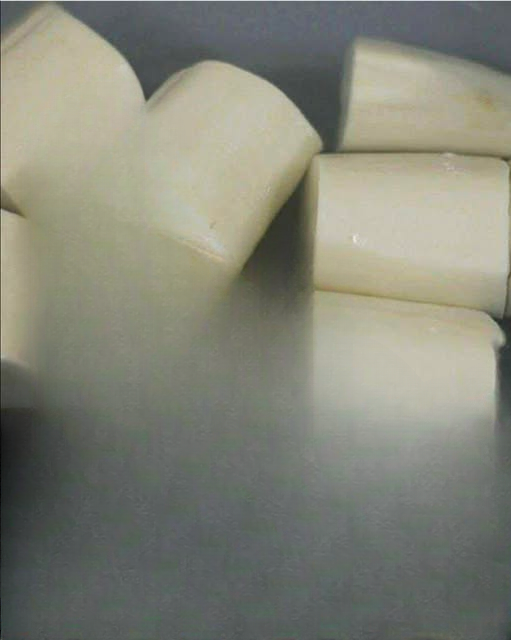
Cassava — also known as manioc or yuca — is a starchy root vegetable widely consumed across Africa, South America, and parts of Asia. It is ground into flour, boiled, fried, fermented, and mashed into countless traditional dishes.
But cassava naturally contains compounds called cyanogenic glycosides. When eaten raw or inadequately processed, these compounds can convert into cyanide in the body.
High levels of cyanide exposure may cause:
-
Headaches
-
Dizziness
-
Vomiting
-
Breathing difficulty
-
Neurological symptoms
-
In severe cases, death
So why is cassava still eaten by hundreds of millions?
Because it is:
-
Drought-resistant
-
Able to grow in poor soil
-
Calorie-dense
-
Affordable
-
Reliable in regions where other crops fail
For more than 800 million people, cassava is a primary source of daily calories.
When properly prepared — soaked, fermented, dried, and thoroughly cooked — toxic compounds are reduced to safe levels.
The danger lies not in cassava itself, but in improper processing, often driven by food scarcity or lack of resources.
For many communities, cassava is not optional. It is essential.
2. Fugu: The Carefully Prepared Pufferfish
In Japan, a dish called fugu — made from pufferfish — is known for both prestige and potential risk.
Certain pufferfish species contain tetrodotoxin, a powerful neurotoxin that can block nerve signals and cause paralysis.
Symptoms of tetrodotoxin poisoning may include:
-
Numbness around the mouth
-
Tingling in the limbs
-
Progressive paralysis
-
Respiratory failure
There is no widely available antidote.
However, fugu preparation is tightly regulated. In Japan, only licensed chefs who undergo years of training are permitted to prepare it. Toxic organs such as the liver and ovaries must be removed with precision.
Thanks to these regulations, fatalities are rare compared to the number of servings consumed annually.
For diners, fugu represents tradition, craftsmanship, and — for some — the allure of carefully managed risk.
3. Starfruit: Safe for Most, Risky for Some
Starfruit is bright, tropical, and rich in vitamin C. For healthy individuals, it is generally safe.
However, for people with kidney disease, starfruit can be dangerous.
It contains a neurotoxin that healthy kidneys can filter efficiently. In individuals with impaired kidney function, the toxin may accumulate in the body.
Reported symptoms in vulnerable individuals include:
-
Persistent hiccups
-
Vomiting
-
Confusion
-
Seizures
The fruit itself is not inherently “deadly.” The risk depends entirely on the consumer’s health status.
This is an important reminder: context matters.
4. Apple Seeds and Cherry Pits
The fruit is safe. The seeds are another story.
Apple seeds and cherry pits contain amygdalin, a compound that can release cyanide when crushed or chewed.
Swallowing a whole pit usually poses little risk, as it often passes through the digestive system intact. Problems may arise only if large quantities are crushed and consumed.
Potential symptoms of cyanide exposure include:
-
Dizziness
-
Weakness
-
Nausea
-
Shortness of breath
Accidental ingestion of a single pit is unlikely to cause harm. Still, intentionally chewing large quantities is not advisable.
5. Green Potatoes and Solanine
When potatoes are exposed to light, they can develop a green tint.
The green color itself — chlorophyll — is harmless. But light exposure can also increase levels of solanine, a natural toxin.
In high amounts, solanine may cause:
-
Nausea
-
Diarrhea
-
Headaches
-
Neurological symptoms
Severe cases are rare, but heavily green or sprouted potatoes should be discarded.
Proper storage in a cool, dark place prevents this issue entirely.
6. Raw Cashews and Urushiol
True raw cashews are not sold commercially in most countries.
In their natural state, cashews contain urushiol — the same chemical compound found in poison ivy.
Urushiol can cause:
-
Skin irritation
-
Rashes
-
Burning sensations
Cashews labeled “raw” in stores have actually been heat-treated to remove the toxin.
This processing step makes them safe for consumption.
7. Nutmeg in Excess
Nutmeg is a popular spice used in baked goods and beverages.
In small amounts, it is safe and flavorful.
In large amounts, however, nutmeg contains a compound called myristicin, which can affect the nervous system.
High doses may cause:
-
Hallucinations
-
Nausea
-
Rapid heartbeat
-
Confusion
Toxic reactions typically require significantly more than culinary use. Moderation keeps nutmeg harmless.
8. Death Cap Mushrooms
The death cap mushroom (Amanita phalloides) is responsible for many fatal mushroom poisonings worldwide.
It contains toxins that can cause severe liver failure.
One reason it is especially dangerous is delayed symptom onset. Early signs may appear mild, followed by a temporary improvement — then rapid organ failure.
Wild mushroom foraging should only be undertaken with expert knowledge. Store-bought mushrooms are cultivated under controlled conditions and are safe.
9. Rhubarb Leaves
Rhubarb stalks are commonly used in pies and jams.
The leaves, however, contain high levels of oxalic acid.
In large amounts, oxalic acid can contribute to:
-
Kidney damage
-
Digestive upset
-
Electrolyte imbalance
The solution is simple: discard the leaves and use only the stalks.
10. Raw Kidney Beans
Kidney beans contain phytohaemagglutinin, a natural toxin.
Eating raw or undercooked kidney beans can cause:
-
Severe vomiting
-
Abdominal pain
-
Diarrhea
Boiling beans vigorously for at least 10 minutes neutralizes the toxin. Interestingly, cooking at low temperatures (such as in a slow cooker without pre-boiling) can make the toxin more concentrated.
Proper cooking eliminates the risk.
Why Do People Continue Eating These Foods?
The reasons vary.
Necessity:
Cassava sustains hundreds of millions in regions where alternatives are limited.
Tradition:
Fugu remains part of Japanese culinary culture.
Health Context:
Starfruit is only dangerous for individuals with kidney disease.
Preparation Knowledge:
Kidney beans are safe when properly boiled.
In nearly every case, danger results from improper preparation — not the food itself.
Nature’s Built-In Defenses
Many plants evolved natural toxins to protect themselves from pests and animals.
Humans learned to neutralize these defenses through:
-
Cooking
-
Fermentation
-
Drying
-
Soaking
-
Selective breeding
Over centuries, traditional food preparation techniques transformed potentially harmful ingredients into reliable staples.
Should You Be Concerned?
For most people:
-
Grocery store foods are safe.
-
Following cooking instructions matters.
-
Avoiding wild foraging without expertise is wise.
-
Moderation prevents spice-related issues.
The label “deadliest food” can sound dramatic. But risk depends heavily on preparation, quantity, and context.
Education significantly reduces danger.
The Bigger Picture
Cassava may be linked to approximately 200 deaths annually.
But it also feeds more than 800 million people worldwide.
That contrast highlights an important truth: the same food can be harmful under certain conditions and life-sustaining under others.
The key difference is knowledge.
Cooking methods matter.
Processing methods matter.
Understanding ingredients matters.
Food is not inherently the enemy.
With proper preparation and awareness, it remains one of humanity’s greatest sources of nourishment — not danger.
In the end, information is far more powerful than fear.
How Modern Food Safety Reduces Risk
It’s important to put these risks into perspective.
Today, global food safety systems are stronger than at any point in history. International organizations, public health agencies, and local governments work together to monitor outbreaks, regulate preparation standards, and educate communities about safe handling practices.
For example:
-
Training and licensing requirements dramatically reduce fugu-related fatalities.
-
Public health education programs teach proper cassava processing methods in vulnerable regions.
-
Clear cooking guidelines for beans and legumes are widely available.
-
Food labeling helps individuals with medical conditions, such as kidney disease, avoid specific risks like starfruit.
In many cases, fatalities occur in areas where access to education, clean water, or consistent cooking fuel is limited. When resources are scarce, people may shorten preparation steps that would otherwise neutralize toxins.
That distinction matters.
These foods are not inherently reckless choices. They are often traditional staples that have been consumed safely for generations when proper techniques are followed.
It’s also worth noting that many everyday foods carry some level of risk under extreme circumstances. Even water can be harmful in excessive quantities. The key variable is knowledge and moderation.
When we understand how ingredients behave — how heat changes chemical compounds, how soaking reduces toxins, how fermentation alters plant chemistry — we transform potentially hazardous foods into safe, nourishing meals.
Rather than fear, awareness is the takeaway.
Food safety is less about avoiding entire categories of food and more about respecting preparation methods that have been refined over centuries.
With the right information, even foods labeled “dangerous” become manageable — and often deeply meaningful — parts of global culinary traditions.