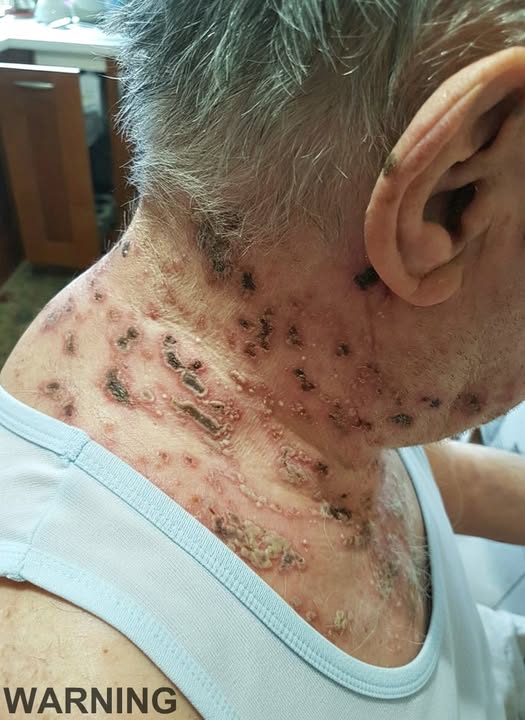
It often begins quietly. A strange burning sensation, a patch of sensitive skin, or an unusual wave of fatigue. At first, it may seem harmless—easy to dismiss as stress or a minor irritation. But within days, a rash can appear, and the discomfort can intensify into sharp, persistent pain. What many people don’t realize is that these symptoms may signal a condition known as shingles, a hidden illness that can emerge unexpectedly.
Shingles is not a new infection. Instead, it is caused by the reactivation of a virus that may have been inside your body for years. This is what makes it particularly concerning—it can remain silent for decades before suddenly becoming active again.
What Causes Shingles?
Shingles is linked to the same virus responsible for chickenpox, known as the Varicella-zoster virus. When a person recovers from chickenpox, the virus does not completely leave the body. Instead, it retreats into the nervous system, where it stays inactive (or dormant).
For many people, this virus never causes another problem. However, under certain conditions, it can reactivate later in life. When it does, it travels along nerve pathways to the skin, resulting in shingles.
Why Does the Virus Reactivate?
The exact reason why the virus reawakens isn’t always clear, but it is often linked to a weakened immune system. Several factors can trigger this reactivation, including:
- Chronic stress
- Illness or infection
- Aging
- Certain medications that suppress the immune system
While it’s commonly believed that shingles only affects older adults or people with serious health conditions, this is a misconception. Although the risk does increase with age, younger and otherwise healthy individuals can also develop shingles.
Early Warning Signs You Shouldn’t Ignore
One of the most important things to understand about shingles is that symptoms often appear before the rash. Recognizing these early signs can help you seek treatment sooner and reduce complications.
Common early symptoms include:
- Burning or tingling sensations in a specific area
- Sharp or stabbing pain
- Skin sensitivity to touch
- Itching or numbness
- Fatigue or general discomfort
These sensations usually occur on one side of the body and follow the path of a nerve.
The Rash and What Comes Next
A few days after the initial discomfort, a rash typically develops. This rash often appears as clusters of fluid-filled blisters and is usually limited to one side of the body or face. It commonly forms in a stripe-like pattern along nerve pathways.
As the condition progresses:
- The blisters may break open and crust over
- Pain can become more intense
- The affected area may remain highly sensitive
While the rash may heal within a few weeks, the pain does not always go away as quickly.
Long-Term Complications
One of the most troubling aspects of shingles is the possibility of lingering pain even after the visible symptoms disappear. This condition is known as Postherpetic neuralgia.
Postherpetic neuralgia occurs when nerve damage caused by the virus leads to ongoing pain in the affected area. This pain can last for months—or even years—and may feel like burning, stabbing, or extreme sensitivity to touch.
For some individuals, this complication can significantly affect daily life, making even simple activities uncomfortable.
Is Shingles Contagious?
Shingles itself is not directly contagious in the way many people think. You cannot “catch” shingles from someone else. However, the virus behind it can spread.
If someone who has never had chickenpox—or has not been vaccinated—comes into contact with the fluid from shingles blisters, they may develop chickenpox instead. This is why it’s important to keep the rash covered and avoid close contact with vulnerable individuals, such as:
- Pregnant women
- Newborns
- People with weakened immune systems
Prevention and Treatment
The good news is that shingles can often be managed effectively, especially when caught early. Antiviral medications can help reduce the severity and duration of the illness if taken soon after symptoms begin.
In addition to treatment, prevention plays a key role. Vaccination is one of the most effective ways to lower the risk of developing shingles and its complications. Health organizations like the Centers for Disease Control and Prevention recommend shingles vaccines, particularly for older adults or those at higher risk.
Other preventive steps include:
- Maintaining a strong immune system
- Managing stress levels
- Seeking medical advice when unusual symptoms appear
Final Thoughts
Shingles is often called a “silent” condition because it can remain hidden in the body for years before suddenly appearing. Its early symptoms are easy to overlook, but recognizing them can make a significant difference in how the illness progresses.
If you notice unusual pain, tingling, or a rash—especially on one side of your body—don’t ignore it. Acting quickly can reduce discomfort, speed up recovery, and help prevent long-term complications.
Your body often sends warning signals. The key is knowing when to listen.