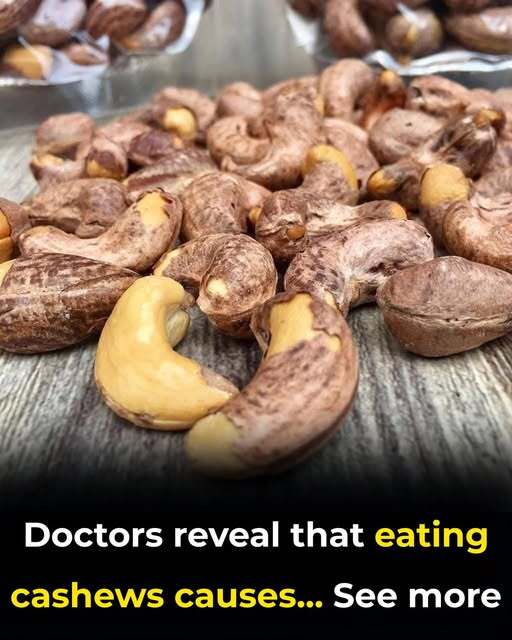
Scroll through headlines online and you might come across alarming claims about cashews—warnings about weight gain, kidney stones, or even heart problems. These statements are often designed to grab attention rather than reflect actual medical evidence. When you look at the science, the truth is far more balanced—and much more reassuring.
The Reality Behind the Hype
For most people, cashews are not harmful. In fact, they are a nutrient-dense food that can support overall health when eaten in moderation. Like many whole foods, the effects depend on portion size, individual health conditions, and overall diet—not on fear-based myths.
Health organizations such as the American Heart Association recognize nuts as part of a heart-healthy eating pattern, recommending them several times per week.
Nutritional Benefits of Cashews
Cashews are packed with important nutrients that contribute to different aspects of health:
- Healthy fats: They contain monounsaturated fats, which can help maintain healthy cholesterol levels
- Magnesium: Supports muscle function, nerve signaling, and energy production
- Copper and zinc: Important for immune health and metabolism
- Protein and fiber: Help you feel full longer and support digestion
These nutrients work together to make cashews both satisfying and beneficial as part of a balanced diet.
Heart Health and Research Findings
Scientific research consistently shows that people who regularly consume nuts—including cashews—tend to have better heart health outcomes. Studies have linked nut consumption to:
- Lower levels of “bad” LDL cholesterol
- Improved “good” HDL cholesterol
- Reduced inflammation
- Better blood sugar control
Rather than harming the heart, moderate nut intake is often associated with reduced risk of heart disease.
Do Cashews Cause Weight Gain?
One of the most common fears is that cashews lead to weight gain because they are calorie-dense. While it’s true they contain more calories than some snacks, they also promote fullness due to their combination of healthy fats, protein, and fiber.
In many cases, people who include nuts in their diet actually find it easier to manage hunger and avoid overeating. The key is portion control—a small handful is usually enough to gain the benefits without excess calories.
What About Kidney Stones?
Cashews do contain oxalates, compounds that can contribute to kidney stone formation in sensitive individuals. However, this is only a concern for people who are already prone to kidney stones or have been advised by a doctor to limit oxalate-rich foods.
For the average healthy person, moderate consumption is unlikely to pose a problem.
Allergies and Sensitivities
There are a few important exceptions to keep in mind:
- Tree nut allergies: People with these allergies must avoid cashews entirely
- Digestive sensitivity: Eating large amounts may cause bloating or discomfort in some individuals
- Processed vs. raw: Truly raw cashews contain natural toxins, but store-bought “raw” cashews are safely heat-processed and perfectly safe to eat
The Bottom Line
Cashews don’t deserve the negative reputation they sometimes receive. They do not automatically cause weight gain, raise cholesterol, or harm your health. In reality, they can be a valuable addition to a nutritious diet.
For most people, enjoying a small portion of unsalted cashews is a simple and delicious way to support heart health, maintain energy, and stay satisfied throughout the day.
Final Thought
Instead of relying on alarming headlines, it’s better to focus on balanced nutrition and credible evidence. When eaten mindfully, cashews are not something to fear—they’re something your body can benefit from.