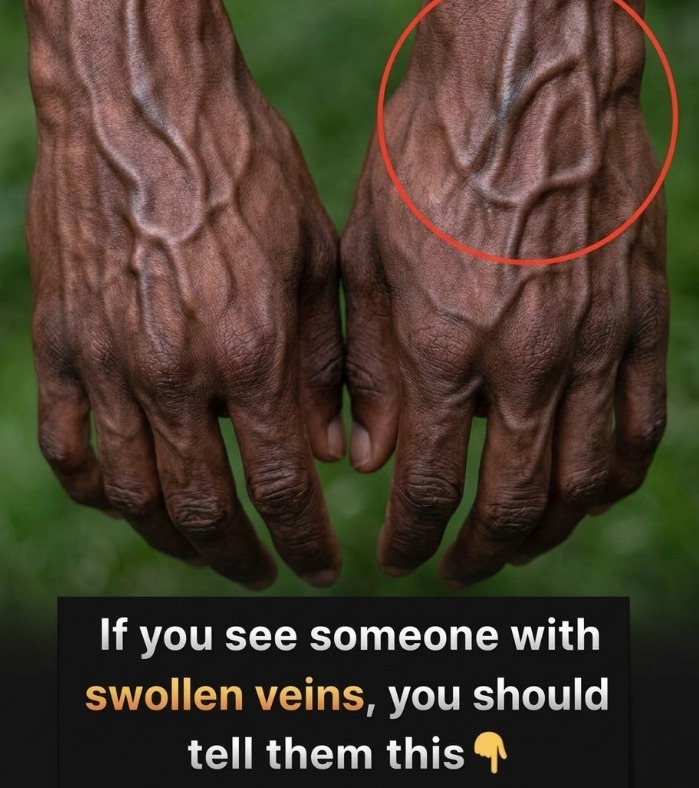
It’s something many people notice at some point—veins on the hands that seem more visible than before. For some, it sparks curiosity. For others, concern. Could these visible veins be a sign of heart or circulation problems?
The short answer: usually not. In most cases, prominent veins in the hands are completely normal and influenced by everyday factors rather than disease. Still, understanding what’s typical—and what isn’t—can help you stay informed about your health.
Why Hand Veins Become More Visible
The hands naturally have thin skin and very little fat, which makes underlying veins easier to see. Several common factors can make them stand out even more:
- Low body fat: Less fat under the skin means veins are closer to the surface
- Genetics: Some people naturally have more visible veins than others
- Warm temperatures: Heat causes veins to expand slightly
- Exercise: Increased blood flow during activity can temporarily enlarge veins
These changes are normal and often temporary.
The Role of Aging
As we age, the skin gradually becomes thinner and loses elasticity. This natural process makes veins appear more prominent over time. It’s a common and harmless change—not a warning sign on its own.
When Veins Might Signal a Condition
While visible hand veins are usually harmless, there are certain vein-related conditions worth understanding.
Varicose Veins
These occur when vein valves weaken, allowing blood to pool and veins to enlarge or twist. They are most common in the legs but can occasionally appear in other areas. They may be accompanied by heaviness, aching, or swelling.
Chronic Venous Insufficiency
This condition develops when veins have difficulty returning blood efficiently to the heart over time. Symptoms may include swelling, discomfort, or skin changes near affected areas.
Signs That Deserve Attention
Circulation problems usually involve more than just visible veins. If you notice any of the following symptoms, it’s worth seeking medical advice:
- Persistent swelling in hands, arms, or legs
- Pain or unusual discomfort
- Numbness or tingling
- Skin discoloration or sores
- Cold hands or feet
More serious conditions like Peripheral Artery Disease or Deep Vein Thrombosis can affect circulation, but they typically present with additional, more noticeable symptoms beyond vein visibility.
Supporting Healthy Circulation
Even if visible veins are normal, maintaining good circulation is still important. Simple habits can make a big difference:
- Stay active: Regular movement helps keep blood flowing efficiently
- Eat well: A balanced diet supports heart and vascular health
- Hydrate: Proper fluid intake helps maintain circulation
- Avoid long inactivity: Sitting or standing too long can slow blood flow
These habits benefit overall cardiovascular health, not just vein appearance.
The Bottom Line
Visible veins in your hands are usually a normal part of your anatomy, influenced by age, genetics, body composition, and daily activity. They are rarely a direct sign of heart problems on their own.
However, your body does send signals when something isn’t right. If visible veins are accompanied by pain, swelling, or other unusual symptoms, it’s wise to consult a healthcare professional.
Final Thought
Your hands can reveal small clues about your body—but not every visible change is a cause for concern. Understanding the difference between normal variations and warning signs allows you to stay informed without unnecessary worry.