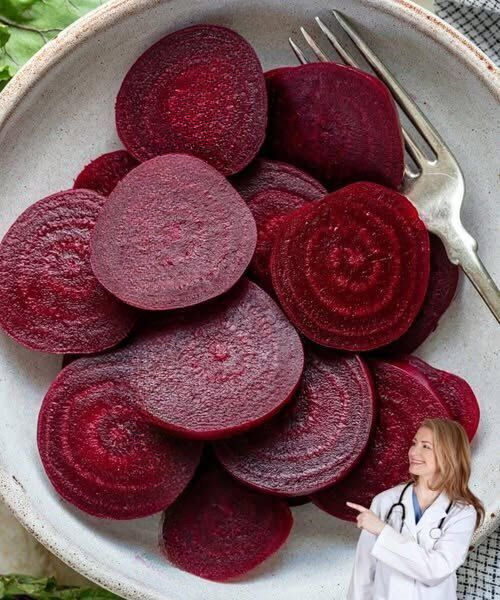
Beetroot has gained a reputation as a “superfood,” but its benefits come from real, well-studied nutrients—not just trends. Adding beets to your meals can be a practical way to support heart health, energy, and digestion as part of a balanced diet.
Why Beets Stand Out
Beets are rich in natural compounds that support several body systems at once. They’re not a quick fix for health problems, but they can contribute to long-term wellness when eaten regularly.
1. Supports Healthy Blood Flow
Beets contain natural nitrates that the body converts into nitric oxide. This compound helps relax and widen blood vessels, which can improve circulation.
Better circulation may:
- Support heart function
- Help maintain healthy blood pressure
- Improve oxygen delivery throughout the body
2. May Improve Stamina and Energy
Because of their effect on blood flow, beets are often used by people who want to support endurance.
Some benefits may include:
- Improved exercise performance
- Better stamina during physical activity
- Reduced fatigue in certain situations
This is one reason beet juice is popular among athletes—but whole beets offer added benefits from fiber.
3. Supports Brain Function
Good blood flow is also important for the brain. Improved circulation may help deliver oxygen and nutrients more efficiently, which can support:
- Focus and clarity
- Mental performance
- Healthy aging
4. A Natural Source of Fiber
Beets provide dietary fiber, which plays an important role in digestion.
Fiber helps:
- Support gut health
- Feed beneficial bacteria
- Maintain steady energy levels
- Assist with blood sugar control
Whole beets are especially helpful here, as juices often remove this fiber.
5. Contains Protective Plant Compounds
The deep red color of beets comes from compounds called betalains. These natural pigments have been studied for their potential to:
- Support the body’s response to inflammation
- Help protect cells from stress
- Assist natural detox processes in the liver
While research is ongoing, these compounds are part of what makes beets nutritionally valuable.
6. Rich in Essential Nutrients
Beets also provide several important vitamins and minerals, including:
- Folate (supports cell growth and repair)
- Potassium (supports heart and muscle function)
- Manganese (supports metabolism)
- Iron (supports energy and oxygen transport)
Together, these nutrients help maintain overall balance in the body.
Things to Keep in Mind
While beets are healthy, they are not a cure-all. It’s important to use them as part of a balanced diet.
A few considerations:
- Beet juice may raise blood sugar more quickly than whole beets
- Some people may notice red or pink urine after eating beets (this is harmless)
- Those prone to kidney stones may need to limit intake
- People on blood pressure medication should monitor intake with guidance
Easy Ways to Add Beets to Your Diet
- Roast them with olive oil and herbs
- Add to salads for color and flavor
- Blend into smoothies
- Use in soups or grain bowls
- Pickle them for a tangy option
Final Thought
Beets are a simple, natural way to support heart health, digestion, and energy. While they’re not a miracle solution, they can be a valuable addition to a healthy routine.
Small dietary changes, done consistently, often lead to the most meaningful results—and beetroot is an easy place to start.