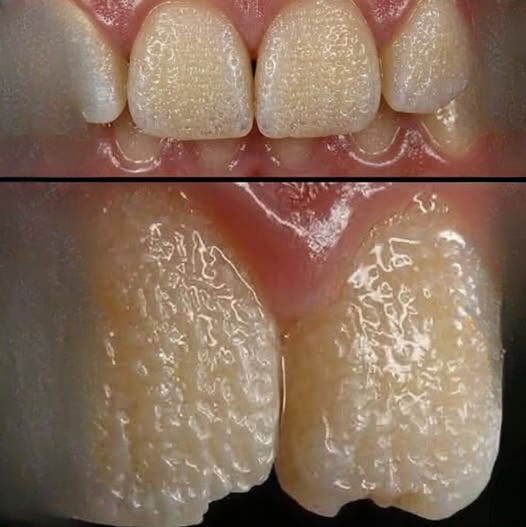
It’s easy to overlook small changes in your teeth. A little sensitivity when drinking something cold, slight discoloration, or occasional discomfort while eating is often dismissed as normal aging or everyday habits like coffee, tea, or inconsistent brushing.
But dental changes are not always as simple as they appear.
While lifestyle choices such as diet, oral hygiene, and daily habits strongly influence dental health, they are not the only factors involved. In some cases, changes in your teeth may be connected to deeper biological or even genetic causes that began long before your current routine.
Understanding these differences is essential for maintaining long-term oral health.
The Importance of Tooth Enamel
At the center of dental health is a thin but powerful layer called enamel.
Enamel is the outer protective coating of your teeth. It shields them from temperature changes, acidic foods, pressure from chewing, and general wear over time.
Even though it is the hardest substance in the human body, enamel is not indestructible. Once it is worn away or damaged, it does not naturally grow back.
This makes prevention extremely important.
When enamel begins to weaken, the underlying layer of the tooth—known as dentin—can become exposed. This often leads to:
- Increased sensitivity
- Changes in tooth color
- Greater risk of decay
- General discomfort when eating or drinking
Everyday Habits That Affect Your Teeth
Many of the changes people notice in their teeth are related to daily habits. These effects usually develop slowly over time.
Acidic Foods and Drinks
Items like soda, citrus juices, sports drinks, and even flavored water can gradually wear down enamel due to their acidity. Frequent exposure weakens the protective surface of the teeth.
Sugar Consumption
Sugar does not directly damage enamel, but it feeds bacteria in the mouth. These bacteria produce acids that attack tooth surfaces and increase the risk of decay.
Staining Beverages
Coffee, tea, and certain dark sauces can lead to discoloration over time. While staining is mostly cosmetic, it can sometimes be linked with enamel thinning.
Frequent Snacking
Eating often throughout the day exposes teeth to constant acid production, reducing the time enamel has to recover naturally.
When Dental Changes Are Not Lifestyle-Related
Not all dental concerns come from diet or hygiene. Some people experience enamel issues even with excellent oral care.
In such cases, the cause may be genetic.
One well-known condition is called Amelogenesis Imperfecta.
What Is Amelogenesis Imperfecta?
Amelogenesis Imperfecta (AI) is a rare genetic condition that affects the development of tooth enamel before teeth even emerge.
Unlike enamel wear caused by external factors, this condition originates during tooth formation.
People with AI may have enamel that is:
- Thin
- Weak
- Poorly formed
- Rough or uneven in texture
As a result, teeth may appear yellow, brown, or gray, and they may be more sensitive than usual.
Different Forms of the Condition
Amelogenesis Imperfecta is not the same for everyone. It appears in different types, including:
Hypoplastic Type
Enamel is thinner than normal, often resulting in small or pitted teeth.
Hypomaturation Type
Enamel forms but remains soft, making it more vulnerable to wear and damage.
Hypocalcified Type
Enamel is poorly mineralized and can break down easily, leading to noticeable changes in appearance and function.
Each type affects the teeth differently, and understanding the variation helps guide treatment.
How Dentists Diagnose Enamel Problems
Dental professionals use several methods to identify enamel-related issues:
- Visual examination of teeth
- X-rays and imaging
- Reviewing medical and family history
Since conditions like Amelogenesis Imperfecta are inherited, family history often provides important clues.
Early diagnosis is valuable because it allows for protective treatment before more damage occurs.
Treatment and Care Options
While enamel itself cannot be restored, there are several ways to protect teeth and improve their function and appearance.
Protective Crowns
These cover weakened teeth and help restore strength and structure.
Dental Bonding and Veneers
These treatments improve appearance while adding a protective layer to the tooth surface.
Fluoride Treatments
Fluoride can help strengthen existing enamel and reduce further wear.
Sensitivity Management
Special toothpaste and treatments can reduce discomfort caused by exposed dentin.
Treatment is often tailored to each individual’s needs, especially in genetic cases.
The Emotional Impact of Dental Conditions
Dental appearance plays a major role in self-confidence.
People with visible enamel issues may feel:
- Self-conscious about smiling
- Anxious in social situations
- Worried about judgment from others
For children and teenagers, this can be especially challenging.
It is important to recognize that dental conditions are medical in nature—not a reflection of hygiene or personal care.
Lifestyle vs. Genetic Causes: Understanding the Difference
There are two main categories of enamel problems:
Lifestyle-Related Issues
- Develop gradually over time
- Caused by diet, habits, or hygiene
- Can often be improved or slowed with changes
Genetic Conditions
- Present from early tooth development
- Not caused by behavior or lifestyle
- Require professional dental management
Although symptoms may look similar, the underlying causes are very different.
How to Protect Your Teeth Daily
Good oral care does not need to be complicated. Consistency is more important than complexity.
Helpful habits include:
- Brushing twice daily with fluoride toothpaste
- Avoiding excessive acidic or sugary foods
- Drinking water after meals
- Not brushing immediately after acidic drinks
- Scheduling regular dental checkups
These habits help maintain enamel strength and overall oral health.
Changes in your teeth should always be taken seriously, even if they seem minor at first. They often provide early clues about enamel health, dietary habits, or underlying conditions.
Understanding how enamel works, how lifestyle affects it, and how genetic conditions like Amelogenesis Imperfecta influence dental development allows for better long-term care decisions.
Your teeth are not just for appearance—they are essential for daily comfort, nutrition, and confidence.
With proper awareness and consistent care, it is possible to maintain strong, healthy teeth throughout life, regardless of genetic or environmental challenges.
How Aging Subtly Affects Your Teeth
As people get older, certain natural changes begin to affect the mouth. These changes are gradual and often go unnoticed at first.
One of the most common shifts is a slow thinning of enamel over time. Even without major dental problems, years of normal chewing, brushing, and exposure to food acids can naturally wear the surface of teeth.
In addition to enamel changes, gums may also begin to recede slightly with age. When this happens, more of the tooth surface becomes exposed, which can increase sensitivity and make teeth appear longer than before.
These changes are a normal part of aging and do not necessarily indicate poor oral health, but they do highlight the importance of consistent care throughout life.
The Role of Saliva in Protecting Teeth
Saliva is often overlooked, but it plays a critical role in maintaining oral health.
It helps to:
- Neutralize acids produced by bacteria
- Wash away food particles
- Provide minerals that support enamel strength
- Maintain a balanced environment in the mouth
When saliva production is reduced—due to dehydration, medications, or health conditions—the risk of enamel damage increases.
A dry mouth environment allows acids and bacteria to remain on the teeth for longer periods, which can accelerate wear and decay.
This is why staying hydrated and maintaining healthy saliva flow is an important but often ignored part of dental care.
Why Early Dental Care Matters So Much
One of the most important aspects of oral health is timing. Many dental problems begin silently and progress slowly before becoming noticeable.
By the time symptoms like pain or visible damage appear, the condition is often more advanced.
Early care focuses on prevention rather than repair. This includes:
- Routine dental checkups
- Professional cleanings
- Early detection of enamel weakening
- Preventive fluoride use
- Monitoring of genetic or structural conditions
Catching small issues early often prevents more serious and costly treatments later.
Environmental Factors You Might Not Think About
Beyond diet and hygiene, environmental factors can also influence dental health in subtle ways.
For example:
Water Quality
In some regions, fluoride levels in drinking water vary. Fluoride, when present in appropriate amounts, helps strengthen enamel and prevent decay.
Air Quality
Dry or polluted environments may contribute indirectly to oral dryness, which can affect saliva production and comfort.
Occupational Exposure
Certain jobs that involve chemical exposure, frequent breathing through the mouth, or irregular eating schedules may also impact dental health over time.
While these factors are less obvious than diet or brushing habits, they still contribute to the overall condition of your teeth.
Why Awareness Makes a Difference
Understanding dental health is not about worrying more—it’s about noticing earlier.
Many people only seek dental care when discomfort becomes unavoidable. However, being aware of small changes such as:
- Slight sensitivity
- Minor color shifts
- Texture changes on tooth surfaces
- Gum tenderness
can help identify issues before they progress.
Awareness leads to early action, and early action leads to better outcomes.
Bringing It All Together
When you look at dental health as a whole, it becomes clear that there is rarely a single cause behind changes in your teeth. Instead, it is usually a combination of factors working together over time.
For most people, everyday habits like diet, brushing technique, and lifestyle choices play the biggest role. But for others, underlying genetic conditions or biological differences can significantly influence how their teeth develop and respond to wear.
This is why a balanced understanding is so important.
Your teeth are not isolated from the rest of your body. They are living indicators of both your habits and your biological makeup.
Final Expanded Insight
Ultimately, what your teeth may be “telling you” is not a single message, but a collection of signals.
Some are simple reminders to adjust daily habits—like reducing sugar intake or improving brushing consistency. Others may point toward deeper structural or genetic factors that require professional evaluation and care.
The key is not to jump to conclusions, but to observe patterns over time.
Dental health is a long-term process, not a one-time condition. With proper care, awareness, and timely attention, most people can maintain strong and functional teeth well into later life.
Understanding this balance between lifestyle, biology, and prevention is what truly supports lasting oral health.