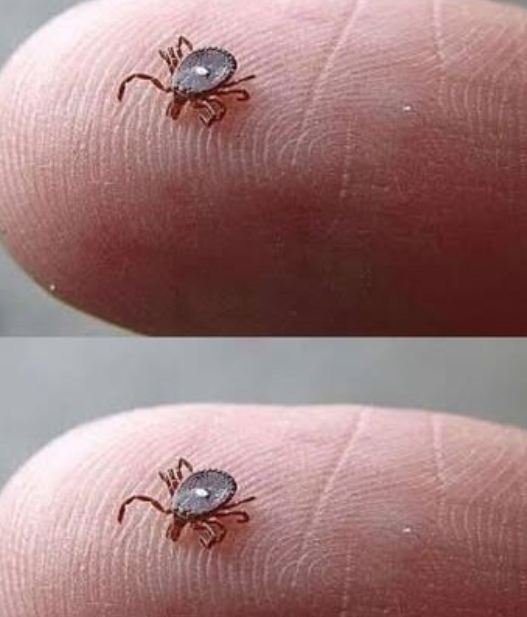
It began as a quiet afternoon in the yard. The scent of freshly cut grass mingled with the faint, unmistakable tang of gasoline from the stubborn lawnmower I was wrestling with. It was the kind of mundane, almost meditative work that allows your mind to drift. Yet, in a single moment, my perception shifted from domestic calm to a heightened state of alert—the kind of sudden, chilling awareness that forces you to confront your own vulnerability. There, on my ankle, clinging with unnerving precision, was a lone star tick.
It is impossible to overstate the psychological impact of seeing such a tiny creature attached to your body. In that instant, the tick transforms from a small insect to an invasive presence, an interloper that has bypassed your primary defenses. It is, in a very real sense, a reminder of how fragile our sense of control over our environment can be. Unlike many insects, ticks do not merely wander—they anchor themselves. They do not act on whim; they act on instinct refined over millions of years of evolution. They are seekers, surveyors of the chemical signatures left by mammals, and they are remarkably effective at finding hosts.
The fear that gripped me was not just about the tick itself but about what it represented. In today’s world of 2026, where we are hyper-aware of systemic health risks and viral threats, a lone star tick is more than a nuisance. It is a potential vector of serious illnesses: Lyme disease, Rocky Mountain spotted fever, or the increasingly prevalent alpha-gal syndrome, which can create a lifelong allergy to red meat. The mere presence of the tick triggered an intense, almost physiological panic. My body reacted before my mind could catch up. My hands shook, my heart raced, and my thoughts fragmented into a montage of horror stories I had heard—people whose lives were derailed by undiagnosed fevers, chronic fatigue, and the invisible, lingering consequences of vector-borne diseases.
The Biology Behind the Threat
Understanding why ticks are so concerning requires a brief dive into biology. The lone star tick (Amblyomma americanum) is native to the southeastern and eastern United States but has expanded its range northward in recent decades, aided by climate change and increased wildlife migration. These ticks are aggressive feeders, and their attachment is facilitated by specialized mouthparts designed to anchor firmly into the host’s skin. Unlike mosquitoes, which feed quickly and leave, ticks can remain attached for days, gradually drawing blood and releasing saliva containing proteins that suppress the host’s immune response. This combination of stealth and persistence makes them especially effective at transmitting pathogens.
The pathogens themselves are diverse. Lyme disease, caused by Borrelia burgdorferi, can lead to neurological complications if untreated. Rocky Mountain spotted fever, a bacterial infection, can progress rapidly and become life-threatening. Alpha-gal syndrome, still poorly understood in many cases, illustrates the complex ways in which vector-borne interactions can alter human physiology permanently. The takeaway is clear: ticks are tiny, but the consequences of their bite are anything but.
Step One: Precision in Removal
Faced with the tick on my ankle, I understood that the first step was precision. The goal is to remove the tick without leaving mouthparts embedded in the skin, which could increase infection risk. Using fine-tipped tweezers, I grasped the tick as close to the skin as possible and pulled upward with steady, even pressure. Twisting or jerking could break the tick, leaving its head behind—a complication that can cause localized infection. Once removed, I disinfected the area with antiseptic and placed the tick in a sealed glass container, in case testing became necessary.
Many people underestimate the importance of handling ticks carefully. It is not just about removal; it is about vigilance. Placing the tick in alcohol or freezing it can preserve it for identification. Laboratories and public health officials can analyze the tick to detect pathogens, which may help guide any early treatment decisions. This step, while small, transforms panic into actionable information.
Step Two: Observation and Documentation
After removal, the days that followed were marked by heightened attention. Every freckle, vein, and line near the bite site became a potential clue. I monitored for the classic “bullseye” rash associated with Lyme disease, noting any redness, swelling, or irritation. Each mild ache, fleeting chill, or headache sparked a mental check: Was this normal, or a signal of something more serious?
Documenting changes is critical. Keeping a log of symptoms, their onset, duration, and severity allows healthcare providers to make better-informed decisions. This practice transforms anxiety into a structured process of observation, where every detail matters.
Step Three: Education as a Defense
What transformed the situation from terror to empowerment was knowledge. I researched the lone star tick in depth, learning about its life cycle, feeding habits, and the specific pathogens it can transmit. I investigated the geographic prevalence of these ticks, understanding that my region had a higher-than-average population due to favorable climate and wildlife corridors. I studied the incubation periods for various diseases and the windows during which early intervention is most effective.
This stage—education—is where fear becomes a tool rather than a burden. Understanding the biology and risks allows for strategic action: you know what to monitor, when to seek medical advice, and how to prevent future encounters. Knowledge, in this sense, is the antidote to panic.
Step Four: Environmental Control
Ticks thrive in certain environments: tall grass, leaf litter, and areas with abundant wildlife. By adjusting the landscape around my home, I could reduce future exposure. I cleared brush, maintained shorter grass, and created physical barriers between wooded areas and play or walking zones. Treating pets with veterinarian-approved tick prevention is essential, as dogs and cats can carry ticks into the home.
Preventing ticks is a multi-layered strategy. Clothing choices matter when walking in tick-prone areas: light-colored long sleeves and pants, hats, and proper footwear reduce the chance of ticks reaching the skin. Using repellents containing DEET or permethrin provides additional protection. In essence, prevention is a combination of environmental management, protective clothing, and chemical deterrents.
Step Five: Body Literacy
The experience also highlighted the importance of body literacy—the ability to understand and interpret one’s own physiological signals. After a tick encounter, I encouraged my family to check themselves regularly, teaching them what to look for and how to respond. This proactive approach empowers individuals to act quickly if another tick is found, reducing the risk of infection.
Ticks also serve as reminders of our interconnectedness with the natural world. They are not malevolent—they are simply part of the ecosystem. Recognizing this allows for a perspective of respect and cautious vigilance rather than fear alone.
Psychological Dimensions
The psychological impact of ticks should not be underestimated. Initially, I experienced a form of hyper-vigilance, scrutinizing my own body for subtle signs of illness. Sleep became restless, with thoughts of potential infections intruding at night. Meals were accompanied by a background hum of worry: “Is my body reacting? Did the bite transmit something?”
Transforming this state requires deliberate effort. Replacing obsessive fear with methodical observation and proactive measures is critical. I shifted from passive panic to active awareness, turning a moment of terror into a structured, calm process. The tick was no longer an uninvited guest controlling my day; it became an impetus for action.
Medical Consultation
Even with careful removal and observation, consulting a healthcare provider is recommended. A physician can evaluate the bite, consider prophylactic treatments if necessary, and guide testing. Early intervention is key for diseases like Lyme or Rocky Mountain spotted fever, which can escalate if left untreated. By combining self-monitoring with professional oversight, one maximizes safety while minimizing unnecessary anxiety.
Broader Lessons from the Tick
The lone star tick is a microcosm of larger anxieties in 2026. In an era of global uncertainty—be it geopolitical instability or emerging pathogens—our response to minor crises reflects our ability to navigate major ones. The principles of observation, knowledge acquisition, prevention, and consultation are universal: they apply to public health, environmental stewardship, and personal preparedness.
Ticks remind us that vigilance is not paranoia. They underscore the importance of structure in the face of unpredictability. Just as nations plan for worst-case scenarios, individuals benefit from rehearsing preparedness in manageable contexts. The backyard encounter becomes a “rehearsal for disaster,” where the stakes are real but the consequences manageable.
The Quiet Victory of Preparedness
Days later, with the bite site healed and knowledge integrated into daily habits, a sense of quiet relief emerged. This was not relief from danger—the risk remains—but from the certainty that I was no longer unprepared. I had acted decisively, informed myself, implemented prevention strategies, and taught others to do the same. The fear that initially felt overwhelming was transformed into a tool for vigilance, awareness, and resilience.
This sense of empowerment mirrors the lessons from history, military strategy, and global affairs. In every high-stakes situation, whether personal or collective, the response—calm, informed, deliberate—is more powerful than panic. The tick bite, though small, became a catalyst for strengthening both knowledge and self-reliance.
Reflection and Takeaways
-
Act immediately: Remove ticks with precision, clean the area, and preserve the specimen if possible.
-
Observe meticulously: Monitor for rashes, fevers, or other symptoms. Document changes to inform medical guidance.
-
Educate yourself: Learn about the species, pathogens, and environmental factors. Knowledge converts fear into power.
-
Prevent proactively: Modify the environment, treat pets, and use protective clothing and repellents.
-
Engage your body literacy: Teach yourself and your family to recognize early signs of risk.
-
Consult professionals: Combine personal vigilance with medical oversight for optimal outcomes.
The narrative of encountering a lone star tick is, at its core, a story of reclaiming control. It teaches the value of preparation, the power of informed action, and the quiet confidence that comes from mastering one’s environment. The tick itself fades in significance, but the awareness it sparks becomes permanent.
By integrating these lessons into daily life, we not only protect ourselves from ticks but cultivate a mindset of active awareness, resilience, and thoughtful preparedness. The bite on the ankle becomes more than a minor medical event—it becomes a metaphor for how to live in a world of unpredictability, where fear is inevitable, but it can always be channeled into structured, meaningful response.
In the end, spotting a lone star tick is not just a moment of terror—it is an invitation. An invitation to act with intelligence, to observe with diligence, and to respond with calm confidence. It is a lesson in vigilance, a practice in body literacy, and a reminder that even the smallest intruder can teach us the greatest truths about resilience and preparedness.
And so, as the sun sets over the yard and the lawnmower rests in the shed, there is a profound satisfaction in knowing that I am no longer a passive participant in my own health. I am the lead detective, the strategist, and the vigilant guardian of my well-being. The tick has been removed, but its lessons endure, a testament to the power of knowledge, preparedness, and the quiet strength that comes from turning fear into action.