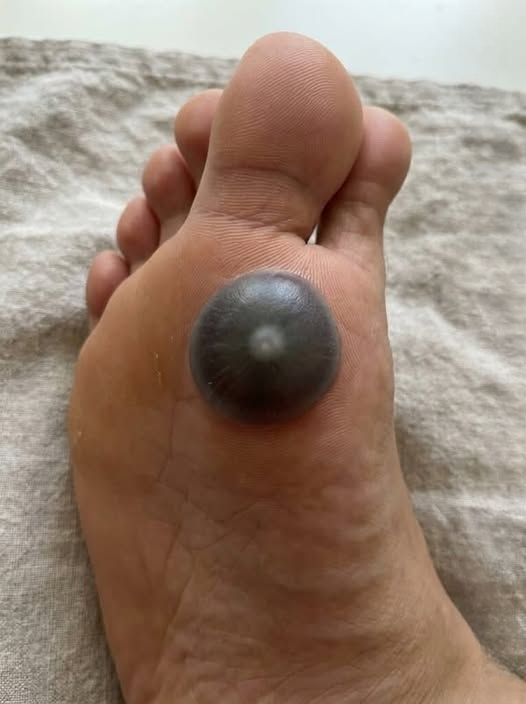
Discovering a painful blister or dark swollen spot on a child’s foot can be alarming for any parent. What may initially appear to be a simple sore can quickly become concerning when the child experiences discomfort, swelling, or difficulty walking.
In many cases, these painful spots are harmless and related to friction or pressure. However, because children’s skin is sensitive and foot injuries can sometimes worsen quickly, it’s important to understand the possible causes, symptoms to monitor, and the safest ways to respond.
This guide explains what blood blisters are, why they happen, how to care for them safely, and when it may be necessary to seek medical attention.
What Is a Blood Blister?
A blood blister is a type of blister that forms when small blood vessels beneath the skin break due to friction, pressure, or minor injury.
Unlike regular blisters, which contain clear fluid, blood blisters fill with blood, giving them a darker appearance that may look:
Red
Purple
Dark brown
Black
Because of their color and swelling, blood blisters can sometimes appear more serious than they actually are.
They often develop in areas exposed to repeated pressure or rubbing, especially:
The sole of the foot
The heel
Toes
Areas pressed tightly by shoes
Why Blood Blisters Happen in Children
Children are especially active, which makes them more likely to develop foot irritation without even realizing it.
Common causes include:
Tight or Ill-Fitting Shoes
Shoes that rub repeatedly against the skin can create enough friction to damage small blood vessels beneath the surface.
Running and Physical Activity
Playing sports, running outdoors, or spending long hours active can increase pressure on the feet.
Minor Injuries
Sometimes children step awkwardly, bump their foot, or experience small unnoticed injuries that later develop into swelling or blistering.
New Shoes
Stiff or poorly broken-in footwear can quickly irritate sensitive skin.
Symptoms Parents May Notice
A painful foot blister may cause several symptoms, including:
Swelling
Dark discoloration
Tenderness
Difficulty walking
Complaints of burning or pressure
Refusal to put weight on the foot
Because the sole of the foot contains many nerve endings, even a relatively small blister can become very painful.
Other Possible Causes Besides a Blood Blister
While blood blisters are common, it’s important not to automatically assume that every painful dark spot is harmless.
Other possibilities may include:
Localized Infection
Bacteria trapped beneath the skin can sometimes create swelling, redness, warmth, and pain.
Insect Bite Reaction
Some bites or stings can trigger inflammation and fluid buildup overnight.
Bruising or Trauma
A deeper injury beneath the skin may cause discoloration and swelling.
Skin Irritation or Allergic Reaction
Certain materials, chemicals, or prolonged friction may irritate sensitive skin.
Because symptoms can overlap, careful observation is important.
Why Foot Blisters Can Hurt So Much
Foot blisters are often especially painful because the foot constantly absorbs pressure from standing and walking.
Swelling beneath the skin can place pressure on:
Nerves
Soft tissue
Sensitive skin layers
This pressure may make walking uncomfortable or even painful enough that children avoid putting weight on the affected foot altogether.
Should You Pop the Blister?
One of the most important safety recommendations is:
Do not pop or drain the blister at home.
Although releasing the pressure may seem helpful, opening the skin can:
Introduce bacteria
Increase infection risk
Delay healing
Cause additional pain
The blister acts as a natural protective barrier while the skin heals underneath.
If draining is ever necessary, it should only be done under sterile conditions by a healthcare professional.
Safe Home Care Tips
7
In many mild cases, supportive home care can help reduce discomfort and encourage healing.
1. Reduce Pressure on the Foot
Encourage the child to:
Rest when possible
Avoid running or jumping
Limit pressure on the affected area
2. Elevate the Foot
Keeping the foot elevated while sitting or lying down may help reduce swelling.
3. Use a Cool Compress
Apply a cool (not ice-cold) compress wrapped in a soft cloth for short periods.
This may help:
Reduce discomfort
Ease swelling
Calm irritation
4. Choose Comfortable Footwear
Avoid tight shoes or rough materials that may worsen friction.
Loose sandals, soft socks, or going barefoot indoors may provide relief.
5. Keep the Area Clean
Wash gently with mild soap and water while avoiding excessive rubbing.
Signs That May Require Medical Attention
Parents should monitor the area closely for signs that suggest infection or worsening inflammation.
Seek medical advice if you notice:
Increasing redness
Warmth around the blister
Pus or drainage
Fever
Red streaks spreading from the area
Rapid swelling
Severe pain
Inability to walk or bear weight
These symptoms could indicate a more serious issue requiring evaluation and treatment.
How Doctors May Evaluate the Problem
If medical attention is needed, healthcare providers may examine:
The size and appearance of the blister
Tenderness
Skin temperature
Signs of infection
Whether fluid is present
The child’s ability to walk normally
In some cases, treatment may include:
Protective dressings
Draining under sterile conditions
Antibiotics if infection is present
Recommendations for footwear and healing support
The Importance of Observation
One helpful detail parents can monitor is how the affected area feels.
Questions to consider include:
Does it feel soft or fluid-filled?
Is it firm or hard?
Is the pain worsening or improving?
Is the swelling spreading?
These observations can help determine whether the issue is healing normally or requires medical assessment.
Preventing Future Foot Blisters
Simple preventative steps can reduce the chances of future foot irritation:
Choose Properly Fitted Shoes
Shoes should provide support without rubbing tightly against the skin.
Use Soft Socks
Comfortable socks reduce friction during activity.
Break In New Shoes Gradually
Avoid wearing stiff new footwear for long periods immediately.
Monitor Active Children
After sports or long outdoor play, check for redness or irritation on the feet.
Understanding the Difference Between Serious and Common Issues
Most childhood foot blisters are minor and heal with proper care.
However, because symptoms can sometimes resemble more serious problems, it’s important to balance calm observation with caution.
Parents should remember:
Most cases improve naturally
Infection risk increases if the skin is opened
Early medical evaluation is safest when symptoms worsen
Final Thoughts
A painful foot blister in a child can look alarming, especially when swelling or dark discoloration appears suddenly. In many situations, the cause is simple friction or pressure that led to a blood blister beneath the skin.
Fortunately, most cases improve with:
Rest
Reduced pressure
Gentle care
Monitoring for warning signs
The key is avoiding unnecessary attempts to pop or drain the blister while staying alert for symptoms that may require professional evaluation.
When in doubt, consulting a healthcare provider is always the safest option — especially when a child is in significant pain or unable to walk comfortably.