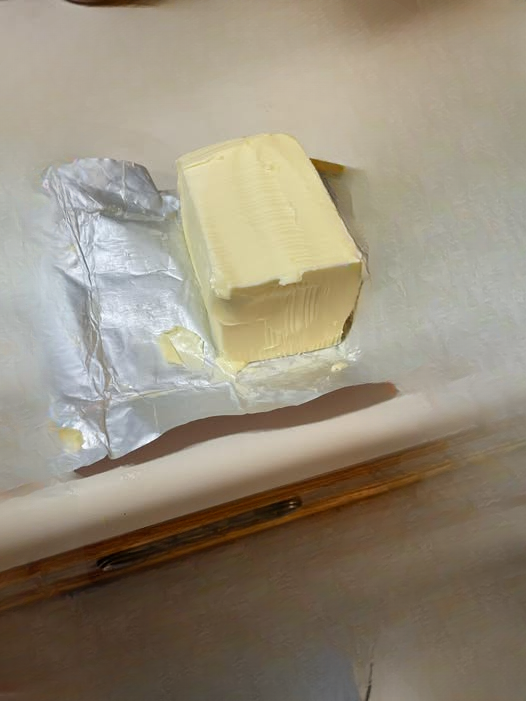
Butter is one of those everyday kitchen staples that feels simple, but how you store it actually makes a big difference in both safety and taste. Many people wonder whether it’s okay to leave butter on the counter instead of keeping it in the fridge. The short answer is yes—but only under the right conditions. Understanding how butter behaves at room temperature helps you keep it soft, spreadable, and safe to eat without risking spoilage.
Butter is made mostly of milk fat with a relatively low water content. This is important because bacteria need moisture to grow. Since butter contains very little water compared to other dairy products like milk or cream, it is naturally more stable outside the refrigerator. This composition is what allows butter to remain safe at room temperature for limited periods, especially in a cool and controlled environment.
However, “safe at room temperature” does not mean it can sit out indefinitely. Temperature plays a major role in how long butter stays fresh. In general, butter can be left on the counter if your kitchen stays below about 21°C (70°F). At this range, it softens nicely for spreading but does not melt or spoil quickly. In these conditions, salted butter can typically last about a week outside the fridge, while unsalted butter may last a little less time because salt acts as a natural preservative.
If the room is warmer than 21°C, the safe window becomes shorter. In slightly warmer kitchens, butter may only remain good for a few days before quality begins to decline. Heat speeds up fat breakdown and can lead to rancidity, especially if butter is exposed to sunlight or fluctuating temperatures. That’s why placement matters just as much as time. Keeping butter near a stove, window, or other heat source can significantly reduce its shelf life.
Storage method also makes a big difference. One of the simplest and most effective ways to keep butter safe on the counter is to use a covered butter dish. This protects it from dust, air exposure, and household contaminants while still keeping it soft and ready to use. The lid also helps prevent the butter from absorbing odors from nearby foods, which can affect its flavor.
Another popular option is a butter bell or butter crock. This traditional storage method uses a small amount of water to create an airtight seal around the butter. The butter is packed into a lid-like container, which is then inverted into a base filled with water. This setup helps maintain freshness and keeps butter soft without refrigeration. When properly maintained and cleaned regularly, this method can keep butter in good condition for several days at a time.
Even though butter is relatively stable, it can still go bad. Spoilage usually happens gradually and is easy to detect if you know what to look for. One of the first signs is a change in smell. Fresh butter has a mild, creamy aroma. When it becomes rancid, it develops a sour, unpleasant odor caused by oxidation of fats. If butter smells off, it should not be used.
Taste is another indicator. Spoiled butter often tastes bitter, sour, or simply “wrong” compared to its normal smooth and slightly sweet flavor. Even a small change in taste can signal that it is no longer good.
Visual changes can also reveal spoilage. Mold is rare but possible if contamination occurs. Any green, blue, or black spots mean the butter should be discarded immediately. Discoloration or unusual texture changes—such as separation, excessive oiliness, or graininess—can also indicate deterioration.
To extend freshness while still keeping butter soft, many people use a hybrid approach: keeping a small portion on the counter and storing the rest in the refrigerator. This ensures daily-use butter is always spreadable while the bulk supply stays protected and lasts longer. Simply refilling the counter dish every few days helps maintain both convenience and safety.
Hygiene also plays a key role in butter storage. Always use a clean utensil when scooping butter, as introducing crumbs or food particles can speed up spoilage. Double-dipping or leaving butter exposed to food residue increases the risk of contamination. Keeping the container clean and covered is just as important as temperature control.
If you need softened butter quickly, there are safe ways to speed up the process without leaving it out too long. Cutting butter into small cubes helps it soften faster because more surface area is exposed to air. Grating cold butter also works well, especially for baking, since it softens within minutes. Another option is using a microwave on very low power in short bursts, but this must be done carefully to avoid melting.
It’s also helpful to understand that not all butter behaves the same. Salted butter tends to last longer outside the fridge because salt inhibits bacterial growth. Unsalted butter is more sensitive and should be monitored more carefully if left at room temperature. Regardless of type, both should always be stored in a clean, controlled environment.
Ultimately, leaving butter on the counter is safe when done correctly. The key factors are temperature, exposure, storage method, and hygiene. A cool kitchen, a covered container, and regular monitoring are usually enough to keep butter fresh for daily use. However, if conditions are warm or unpredictable, refrigeration remains the safest option.
In the end, the goal is balance. You want butter that is soft enough to enjoy easily but still safe to eat. With the right habits, you can have both convenience and peace of mind—enjoying perfectly spreadable butter without compromising freshness or safety.