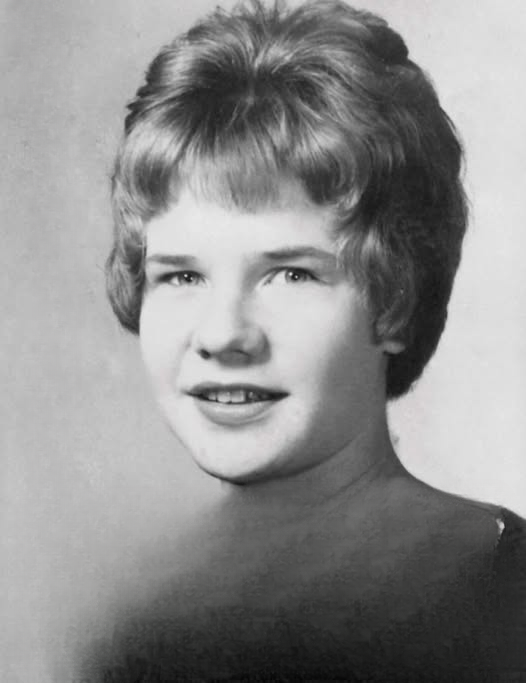
Long before she became one of the most recognizable voices in rock history, Janis Joplin was simply a young girl growing up in a conservative Texas town, struggling to find where she belonged.
Her rise to fame was not smooth or immediate.
It was shaped by rejection, emotional pain, determination, and an unwavering refusal to hide who she truly was.
Today, decades after her death, Joplin remains one of the most influential and emotionally powerful figures in music history—not because she tried to fit into the world around her, but because she refused to.
A Childhood Marked by Feeling Different
Port Arthur was not the kind of place where individuality easily blended in during the 1950s.
Joplin grew up in a relatively stable household, but from an early age, it became clear that her interests and personality did not align with the social expectations around her.
While many of her peers focused on popularity and conformity, she gravitated toward:
- blues music,
- poetry,
- painting,
- literature,
- and artistic self-expression.
She admired musicians and writers who conveyed raw emotion and honesty—qualities that would later define her own work.
But standing out often came at a cost.
Struggles With Acceptance
As a teenager, Joplin faced harsh criticism from classmates and struggled deeply with feeling accepted.
She was frequently judged for:
- her appearance,
- outspoken personality,
- and unconventional interests.
Those experiences left lasting emotional wounds that followed her into adulthood.
Many biographies and interviews later revealed that she often carried feelings of loneliness and insecurity, even after becoming famous.
Music gradually became both:
- an emotional escape,
- and a way to express emotions she struggled to communicate elsewhere.
Discovering the Blues
Joplin became deeply connected to blues music during her late teenage years and early adulthood.
She was inspired by legendary artists such as:
- Bessie Smith,
- Lead Belly,
- and Odetta.
What drew her to the blues was its emotional honesty.
The music spoke openly about:
- pain,
- heartbreak,
- struggle,
- longing,
- and survival.
Joplin connected with that vulnerability deeply, and it shaped the emotional intensity that later became her signature style.
Leaving Texas Behind
After briefly attending the University of Texas at Austin, Joplin realized traditional paths were not what she wanted.
She eventually left college and moved toward the growing counterculture music scene emerging in San Francisco during the 1960s.
At the time, San Francisco was becoming a center for:
- experimental music,
- artistic freedom,
- political activism,
- and alternative lifestyles.
Joplin performed in:
- coffeehouses,
- bars,
- small clubs,
- and local music gatherings,
trying to establish herself in a competitive and unpredictable industry.
Life during those years was far from glamorous.
She dealt with:
- financial instability,
- emotional struggles,
- and the pressures of trying to survive while pursuing music full-time.
The Breakthrough That Changed Everything
Joplin’s life changed dramatically after joining Big Brother and the Holding Company.
Her powerful vocals and emotionally explosive performances immediately stood out.
But the moment that truly transformed her career came at the legendary Monterey Pop Festival in 1967.
Her performance shocked audiences and critics alike.
People were captivated by:
- the raw intensity of her voice,
- her emotional vulnerability,
- and her completely uninhibited stage presence.
Almost overnight, Janis Joplin became a national sensation.
Ironically, the individuality that once made her feel isolated became the very thing that made her unforgettable.
A Voice Unlike Anyone Else
Joplin did not sing with polished perfection.
She sang with emotional force.
Her performances often felt less like technical vocal showcases and more like emotional experiences. Every scream, rasp, and crack in her voice carried vulnerability and intensity.
That authenticity connected deeply with listeners.
Songs like:
- Piece of My Heart,
- Cry Baby,
- and Me and Bobby McGee
became iconic not simply because of melody, but because of the emotional honesty behind them.
Her posthumous recording of “Me and Bobby McGee” later became a No. 1 hit and helped cement her legacy permanently in music history.
Becoming a Cultural Symbol
As her fame grew, Joplin became associated with:
- artistic freedom,
- individuality,
- emotional openness,
- and resistance to social expectations.
She openly rejected conventional beauty standards and embraced her uniqueness in a way that was unusual for female performers at the time.
In an era where women in entertainment were often expected to appear polished and controlled, Joplin presented herself with complete emotional transparency.
That authenticity made her both admired and controversial.
The Personal Struggles Behind the Fame
Despite her enormous success, Joplin continued to struggle privately.
Friends and family often described her as someone who deeply desired:
- connection,
- acceptance,
- and emotional closeness.
But fame did not erase the insecurities and pain she carried from earlier years.
The pressures of celebrity life, combined with emotional struggles and substance abuse, created a difficult and unstable environment behind the scenes.
Her story became a reminder that public admiration does not always guarantee personal peace.
A Tragic Ending at 27
In October 1970, Janis Joplin died at the age of 27.
Her death shocked the music world and placed her among the famous group of influential artists often referred to as the “27 Club.”
Though her life was short, her impact was enormous.
Why Her Legacy Still Matters
More than fifty years later, Janis Joplin’s music continues to resonate because it feels deeply human.
Listeners still connect with:
- her vulnerability,
- emotional honesty,
- fearless individuality,
- and refusal to hide imperfection.
She became more than just a singer.
She became a symbol of:
- authenticity,
- resilience,
- artistic freedom,
- and the courage to remain yourself even when the world pressures you to conform.
Her journey from a misunderstood girl in Texas to a globally recognized music legend continues to inspire people who feel different, creative, emotional, or out of place.
Because in many ways, Janis Joplin transformed pain into art—and turned individuality into something unforgettable.