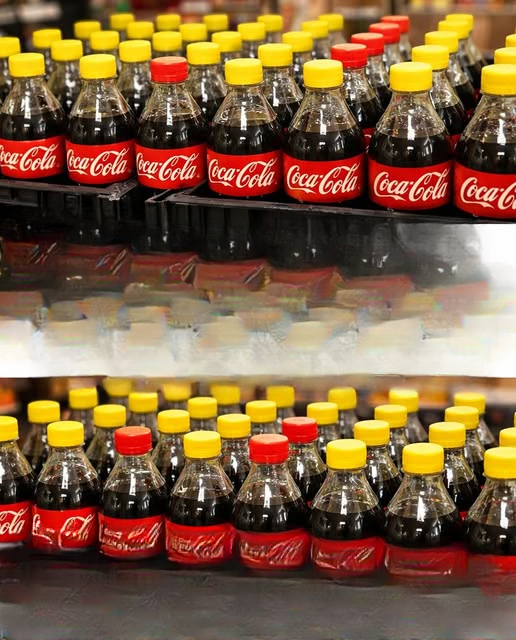
Most people are familiar with Coca-Cola’s classic red bottle cap, but every year some shoppers notice bottles with bright yellow caps appearing in stores. While it may look like a seasonal promotion or packaging redesign, the yellow cap actually has a special purpose connected to a long-standing religious tradition.
The change may seem small, but for many consumers, it carries important cultural and dietary significance.
Why Coca-Cola Uses Yellow Caps
The yellow bottle caps are typically released around the Jewish holiday of Passover. During Passover, many Jewish families follow specific dietary guidelines that limit certain ingredients, including products made from corn.
Regular Coca-Cola sold in the United States is usually sweetened with high-fructose corn syrup, which is derived from corn. Because some Jewish communities avoid corn-based ingredients during Passover, standard Coca-Cola may not meet Passover dietary requirements for those households.
To provide an alternative, Coca-Cola produces a special version sweetened with cane sugar instead of high-fructose corn syrup. The yellow cap helps shoppers easily identify bottles that are considered kosher for Passover.
A Seasonal Tradition
The yellow-cap bottles generally appear in stores several weeks before Passover and are often sold in areas with larger Jewish communities. For many families who celebrate the holiday, spotting the yellow caps has become a familiar sign that Passover season is approaching.
Although the packaging change is simple, it reflects an effort to accommodate specific dietary practices during an important religious holiday.
Does the Yellow-Cap Coke Taste Different?
Some people believe the cane sugar version tastes slightly different from regular Coca-Cola. Fans of cane sugar soft drinks often describe the flavor as smoother or less syrupy compared to versions made with high-fructose corn syrup.
Because of this, the yellow-cap bottles sometimes attract attention from consumers who are not observing Passover but simply prefer the taste of cane sugar-sweetened soda.
Why the Detail Matters
The yellow cap is more than just a packaging variation. For many consumers, it represents attention to cultural traditions and dietary needs. Large brands often serve diverse communities, and small adjustments like this can help make products more accessible during special occasions.
Coca-Cola’s Passover bottles have become a yearly tradition for some shoppers and a recognizable example of how companies sometimes adapt products for different communities and celebrations.
Limited Availability
Yellow-cap Coca-Cola is not available year-round. The bottles are usually sold for a limited time during the Passover season and may only appear in select stores depending on regional demand.
Shoppers who want the cane sugar version often look for the yellow caps specifically because they indicate the special Passover recipe.
A Small Change With a Bigger Meaning
At first glance, a yellow bottle cap may seem unimportant. But behind the packaging is a practical effort to meet religious dietary guidelines while allowing consumers to continue enjoying a familiar product during an important holiday.
Whether people notice the bottles because of curiosity, tradition, or taste preference, the yellow caps have become a unique part of Coca-Cola’s seasonal history and a reminder of how even small product changes can carry cultural significance.
Beyond its connection to Passover, the yellow-cap Coca-Cola has also become an interesting example of how food and beverage companies adapt to the needs of different communities around the world. Large global brands often sell the same products in many countries, but ingredient choices, packaging, and recipes can vary depending on local traditions, regulations, and consumer preferences.
For many shoppers, discovering the reason behind the yellow cap comes as a surprise. What initially appears to be a simple color change actually reflects a long-standing effort to accommodate religious dietary practices in a practical and respectful way. Over time, this small packaging detail has developed a loyal following, especially among people who enjoy products made with cane sugar.
The popularity of cane sugar soft drinks has grown in recent years, with some consumers actively seeking beverages sweetened without high-fructose corn syrup. As a result, yellow-cap Coca-Cola sometimes attracts attention beyond the Passover season itself. Some shoppers even stock up on the bottles when they appear in stores because they prefer the flavor profile of the cane sugar version.
The yellow cap has also become a conversation starter online, where people frequently ask why certain Coca-Cola bottles look different from others on store shelves. Social media discussions and videos explaining the meaning behind the caps often generate interest from viewers who were previously unaware of the tradition.
Although the change is subtle, it highlights how familiar products can carry deeper cultural meaning than many people realize. A simple bottle cap color serves as both a practical label and a symbol tied to tradition, community, and seasonal celebration.
In a marketplace filled with constant product launches and marketing campaigns, the yellow-cap Coca-Cola stands out for a different reason. Rather than promoting a new flavor or trend, it quietly reflects a long-running effort to make a widely recognized product accessible to more people during an important time of year.
For many consumers, that small detail continues to make the yellow cap memorable year after year.