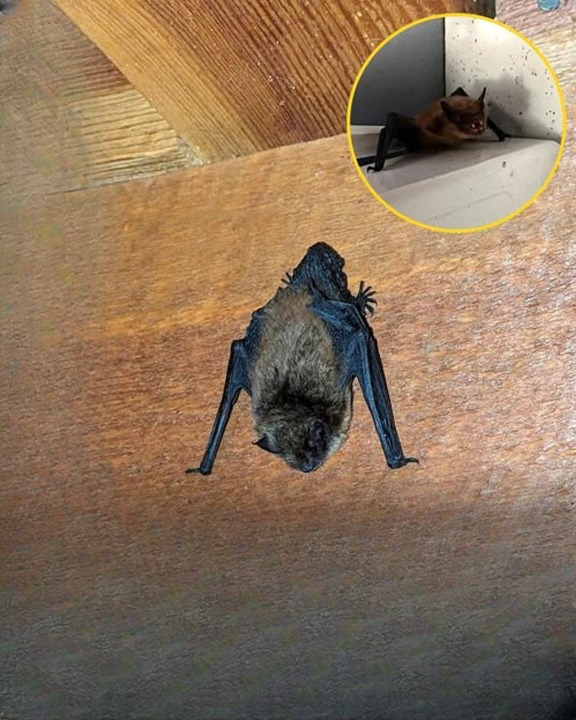
Seeing a bat inside your home can be surprising and even frightening. The quick movement of wings, sudden fluttering sounds, and unexpected appearance often cause immediate panic. For centuries, bats have been surrounded by myths, superstitions, and stories linking them to luck, danger, mystery, or even supernatural events. In reality, however, science gives a much simpler explanation. Most bats that enter homes do so accidentally while searching for food, shelter, or a safe place to rest.
Understanding why bats sometimes appear indoors can help reduce fear and allow homeowners to respond calmly and safely.
Why Bats Enter Homes
Bats are nocturnal animals, meaning they are active mostly at night. They use a natural navigation system called echolocation, which allows them to move through darkness by producing high-frequency sounds and listening to the echoes that bounce back from nearby objects. This system is extremely effective, but environmental conditions can sometimes cause bats to become temporarily disoriented.
One of the most common reasons bats fly near homes is because outdoor lights attract insects. Since many bat species feed heavily on mosquitoes, moths, beetles, and other nighttime insects, they naturally follow areas where insects gather. If a window, attic vent, garage door, or chimney opening is accessible, a bat may accidentally fly inside while chasing prey.
Weather can also play a role. Heavy rain, strong winds, unusual heat, or sudden cold temperatures may push bats to seek temporary shelter. Older homes with small openings, attics, roof gaps, or crawl spaces can appear to bats as safe resting locations similar to caves or hollow trees.
In most cases, a bat indoors is simply lost or searching for a temporary refuge—not trying to harm anyone.
Are Bats Dangerous?
Most bats are not aggressive toward humans and generally try to avoid contact. However, they should still be treated carefully. Like many wild animals, bats can bite if they feel trapped, threatened, or handled improperly.
Although rabies in bats is relatively uncommon, health experts still recommend caution because bat bites can sometimes be small and difficult to notice. If direct contact occurs, or if a bat is found in a room with a sleeping person, child, elderly individual, or pet, it is important to contact local health officials or medical professionals for guidance.
The safest approach is to never touch a bat with bare hands.
What You Should Do If a Bat Enters Your Home
If you discover a bat indoors, staying calm is the most important first step. Sudden movements, yelling, or attempting to chase the animal may increase stress for both you and the bat.
Instead:
- Keep children and pets away from the area.
- Open windows or exterior doors if possible.
- Turn off indoor lights and allow the bat to locate an exit naturally.
- Avoid trying to catch or hit the bat.
- Leave the room if you feel uncomfortable and contact wildlife professionals.
In many situations, the bat will leave on its own within a short period once an exit becomes available.
If the bat appears injured, cannot fly, or repeatedly returns indoors, wildlife control experts can safely remove and relocate it.
Common Myths About Bats
Bats are often misunderstood because of movies, folklore, and old superstitions. Scientifically, there is no evidence that a bat entering a home is a sign of bad luck, death, or supernatural activity.
Bats do not:
- intentionally attack humans,
- seek revenge,
- become tangled in hair on purpose,
- or enter homes to “haunt” people.
They are simply wild animals responding to food sources, shelter opportunities, and environmental conditions.
Why Bats Are Important
Despite their frightening reputation, bats play an extremely valuable role in nature. Many species consume thousands of insects every night, helping control mosquito and agricultural pest populations naturally. Some bat species also assist with pollination and seed dispersal, supporting healthy ecosystems and plant growth.
Without bats, insect populations could increase dramatically, affecting both agriculture and human comfort.
Because of their ecological importance, many wildlife experts encourage safe coexistence rather than fear.
Preventing Future Encounters
Homeowners can reduce the chances of bats entering by:
- sealing cracks and gaps around roofs, vents, and foundations,
- installing screens on windows and attic openings,
- reducing outdoor insect attraction near entrances,
- and maintaining exterior repairs regularly.
These simple steps help prevent accidental indoor visits while allowing bats to remain safely outdoors where they belong.
Final Thoughts
Finding a bat inside your home can feel alarming, but most encounters are harmless and temporary. In nearly every case, the bat is simply searching for food, warmth, or shelter and has entered accidentally.
By staying calm, avoiding direct contact, and allowing professionals to help if needed, homeowners can handle the situation safely and responsibly. Understanding the science behind bat behavior replaces fear with awareness and reminds us that wildlife often interacts with human spaces in completely natural ways.
Bats are not omens or supernatural messengers—they are important creatures simply trying to survive in a changing environment.