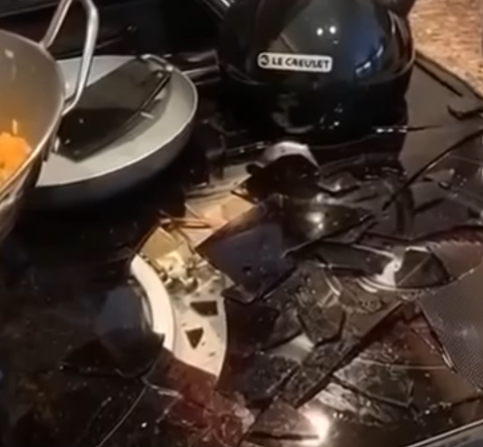
Glass stovetops have become a popular feature in modern kitchens thanks to their sleek appearance and smooth, elegant finish. They instantly make a cooking space feel cleaner and more stylish. However, many homeowners don’t realize that these cooktops require more careful handling than traditional metal burners. Small everyday habits can slowly weaken the glass surface, leading to scratches, stains, or even costly cracks over time.
Here are some of the most common mistakes people make with glass stovetops — and how to avoid them.
1. Using Abrasive Cleaning Tools
One of the biggest causes of damage is scrubbing the surface with steel wool, rough sponges, or abrasive powders. While these tools may remove stubborn stains quickly, they also create tiny scratches in the glass. Over time, those scratches weaken the surface and make it more vulnerable to cracking.
Instead, use soft microfiber cloths or non-abrasive sponges designed specifically for glass cooktops.
2. Sliding Pots and Pans Across the Surface
Dragging cookware across the stovetop may seem harmless, but it can leave permanent marks. Tiny particles trapped beneath the pan can grind against the glass like sandpaper.
To protect the surface, always lift cookware instead of sliding it from one burner to another.
3. Cooking With Dirty Cookware
Many people clean the inside of their pots and pans but forget about the bottom. Burnt grease, food residue, or rough buildup underneath cookware can scratch the cooktop every time it’s used.
Checking and cleaning the bottom of your cookware regularly helps prevent damage and keeps the stovetop looking polished.
4. Letting Spills Sit Too Long
Sugary spills such as syrup, melted candy, or sauces can harden quickly when left on a warm stovetop. Once hardened, they become much harder to remove and often require aggressive scrubbing.
Cleaning spills while the surface is still slightly warm — but not hot — makes cleanup easier and safer.
5. Dropping Heavy Cookware
Glass stovetops are durable, but they are not indestructible. Accidentally dropping a heavy skillet or pot can create hidden stress fractures that may spread later.
Always place cookware down gently to reduce impact on the glass.
6. Using the Wrong Cleaning Products
Some household cleaners contain harsh chemicals that can dull or discolor the glass surface. Products not intended for glass cooktops may leave residue or weaken the protective finish.
Using cleaners specifically designed for ceramic or glass stovetops is the safest option.
7. Ignoring Small Scratches
Tiny scratches may seem cosmetic at first, but repeated wear can gradually weaken the cooktop. Small imperfections can grow worse over time, especially when exposed to high heat.
Regular maintenance and gentle cleaning help prevent minor damage from becoming expensive repairs.
8. Placing Heavy Objects on the Surface
Many people temporarily place grocery bags, appliances, or heavy kitchen tools on the stovetop when it’s not in use. Excess pressure can stress the glass, particularly around the burner areas.
Keeping the surface clear helps avoid accidental damage.
9. Cleaning While the Surface Is Extremely Hot
Trying to wipe spills immediately after cooking can be dangerous. Some cleaning products or damp cloths may react poorly to intense heat, potentially damaging the surface or creating steam burns.
Allow the cooktop to cool slightly before cleaning for the best results.
How to Keep Your Glass Stovetop Looking New
Protecting a glass stovetop doesn’t require expensive maintenance. Simple habits can dramatically extend its lifespan:
- Use soft cleaning cloths
- Lift cookware instead of sliding it
- Wipe spills promptly
- Keep cookware bottoms clean
- Avoid harsh cleaners and rough scrubbing
With proper care, a glass stovetop can remain smooth, shiny, and reliable for many years. A little extra attention each day helps prevent scratches, cracks, and costly repairs while keeping your kitchen both safe and beautiful.