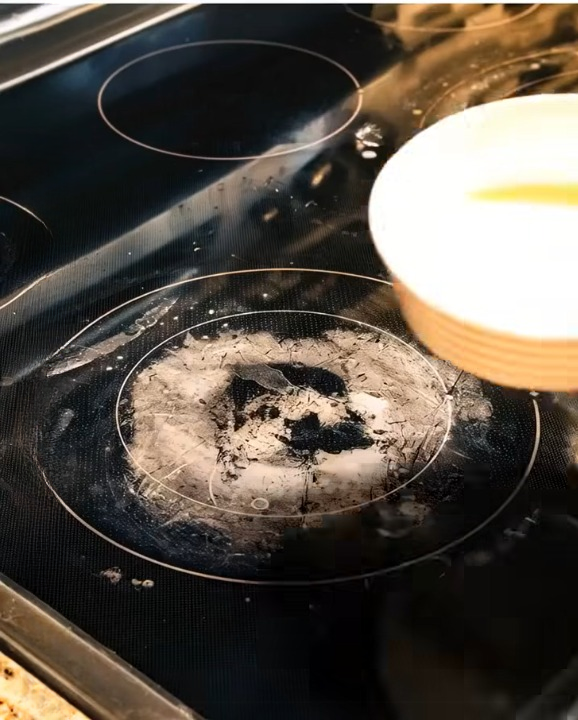
Glass stovetops look modern, sleek, and easy to maintain — until grease builds up, burned-on stains appear, and tiny scratches start catching the light from every angle.
The good news is that many dirty or lightly scratched glass cooktops can be improved significantly with the right cleaning methods and a little patience.
The key is knowing the difference between surface grime, cosmetic scratches, and actual damage that may affect safety.
First: Check Whether It’s Dirt or Real Damage
Before trying to repair scratches, clean the surface thoroughly first.
Sometimes what looks like scratches is actually:
- Burned-on grease
- Mineral residue
- Metal marks from cookware
- Streaks from cleaning products
- Carbon buildup
After a deep clean, many “scratches” become much less noticeable.
However, if you see:
- Deep cracks
- Chips along the edges
- Sharp lines you can feel with your fingernail
- Uneven heating
- Clicking noises or electrical issues
then stop using the cooktop and contact a professional. Cracked glass stovetops can become safety hazards.
How to Deep-Clean a Glass Stovetop Safely
Step 1: Let the Surface Cool Completely
Never clean a hot glass cooktop.
Sudden temperature changes can damage the surface and cleaning products may burn onto the glass.
Step 2: Remove Loose Debris
Use a soft microfiber cloth or paper towel to wipe away crumbs and loose dirt.
Avoid:
- Steel wool
- Abrasive scrubbers
- Rough brushes
These can create permanent scratches.
Step 3: Use Dish Soap and Warm Water
For regular buildup:
- Mix warm water with a small amount of mild dish soap
- Dip a soft sponge or cloth into the mixture
- Wipe the surface gently in circular motions
This removes grease without damaging the glass.
Step 4: Treat Burned-On Stains
For stubborn spots:
Make a paste using:
- Baking soda
- A few drops of water
Spread it over the stained area and let it sit for 10–15 minutes.
Then gently wipe with a non-abrasive sponge.
Baking soda helps loosen residue without scratching the surface.
Step 5: Use a Razor Scraper Carefully (Optional)
For heavy burned-on residue, a cooktop-safe razor scraper can help.
Important:
- Hold it at a low angle
- Use gentle pressure
- Keep the surface slightly damp
Never scrape aggressively.
This method works best for hardened food, not scratches.
How to Improve Light Scratches
Minor scratches usually can’t be completely removed, but they can often be reduced visually.
Option 1: Ceramic Cooktop Polish
Specialized ceramic-glass cleaners and polish products are designed specifically for glass stovetops.
They help:
- Fill tiny surface imperfections
- Restore shine
- Reduce dullness
- Make scratches less visible
Apply using a soft microfiber cloth and buff gently.
Option 2: Glass Repair Kits
Some ceramic glass repair kits can reduce fine scratches.
These work best on:
- Hairline scratches
- Surface scuffs
- Light wear marks
Deep gouges usually cannot be repaired permanently.
What NOT to Use
Avoid these completely:
- Bleach
- Ammonia-heavy cleaners
- Steel wool
- Magic erasers used aggressively
- Powder cleansers
- Metal scrubbers
Even one harsh cleaning session can permanently damage the finish.
Why Glass Stovetops Scratch So Easily
Most scratches happen from everyday habits people don’t think about.
Common causes include:
- Sliding pans instead of lifting them
- Rough cookware bottoms
- Cast iron dragged across the surface
- Sugar spills burning onto hot glass
- Dirt trapped beneath cookware
Even tiny particles under a pan can act like sandpaper.
The Best Way to Prevent Future Scratches
Lift Cookware Instead of Sliding
This one habit makes the biggest difference.
Even smooth-bottom pans can scratch the surface over time if dragged repeatedly.
Use Flat-Bottom Cookware
Warped or rough pans increase pressure points and friction.
Smooth, flat cookware is safest for glass cooktops.
Clean Spills Immediately
Especially:
- Sugar
- Syrup
- Sauces
- Melted plastic
These substances can permanently damage the surface if left on heat.
Inspect the Bottom of Pans
Tiny burnt particles stuck under cookware can create scratches instantly.
When a Glass Stovetop Should Be Replaced
A cooktop may need replacement if you notice:
- Large cracks
- Expanding fractures
- Heating problems
- Electrical malfunction
- Repeated breaker trips
- Severe chips near burners
Using a damaged glass stovetop can become dangerous.
Final Thoughts
A scratched or dirty glass stovetop doesn’t automatically mean it’s ruined.
In many cases, a careful deep clean and proper polishing can dramatically improve the appearance while restoring shine and smoothness.
The biggest mistake most people make is cleaning too aggressively.
Gentle care works far better than harsh scrubbing.
With regular maintenance, proper cookware habits, and quick attention to spills, a glass stovetop can stay attractive, safe, and functional for many years — even after everyday wear starts showing.