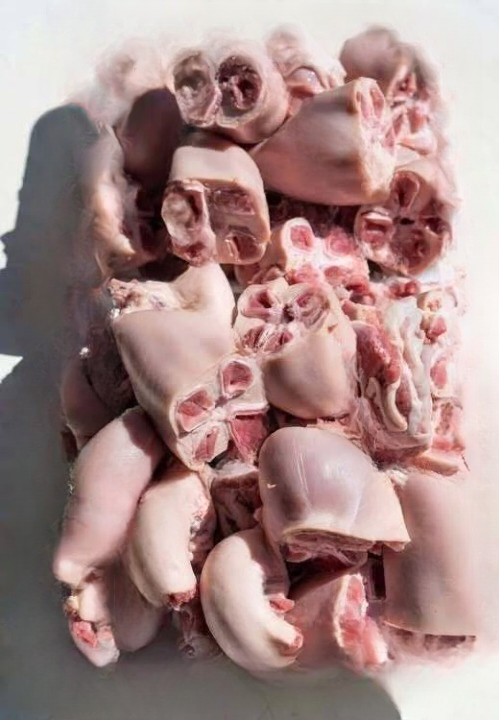
Social media has become flooded with alarming claims accusing supermarkets of secretly selling misleading or lower-quality meat products to unsuspecting customers. Viral posts, dramatic videos, and anonymous stories have fueled growing suspicion about what people are really buying at grocery stores — turning ordinary concerns about food quality into widespread anxiety about deception and trust.
The claims often suggest that cheaper meats are being disguised as premium products through hidden processing methods, misleading packaging, or dishonest labeling practices. While these accusations spread quickly online, food safety experts say the reality is usually far more complicated than viral headlines suggest.
Why These Claims Spread So Quickly
Food is personal. People trust grocery stores to provide products that are safe, accurately labeled, and suitable for their families. When that trust is questioned, emotions can rise quickly.
Many consumers already feel disconnected from modern food supply chains. Meat products often pass through farms, processing facilities, distributors, transport companies, warehouses, and retailers before reaching supermarket shelves. Because most shoppers never see these behind-the-scenes steps, uncertainty can easily create suspicion.
Rising grocery prices have also added to public frustration. When customers pay more for food, they naturally become more sensitive to anything that appears misleading or lower quality.
As a result, ordinary issues like unusual textures, smells, or packaging differences are sometimes interpreted online as evidence of hidden fraud.
The Difference Between Concern and Proven Fraud
Food experts acknowledge that food fraud has existed throughout history. There have been real cases involving mislabeling, contamination, or unauthorized substitutions in various industries around the world.
However, experts emphasize that genuine fraud investigations usually involve clear evidence, including:
- Regulatory testing
- Product recalls
- Inspection reports
- Named companies
- Enforcement actions
- Verified documentation
Organizations such as the U.S. Food and Drug Administration and the United States Department of Agriculture routinely monitor food safety and labeling compliance. While no system is perfect, large retailers face significant legal and financial consequences if intentional deception is proven.
This is why experts encourage consumers to separate verified information from emotional speculation.
Why Meat Sometimes Looks or Smells Different
Many viral posts point to differences in smell, texture, or color as supposed proof of wrongdoing. However, food scientists explain that these changes often have completely normal explanations.
Several factors can affect how meat appears or behaves:
- Packaging methods
- Oxygen exposure
- Freezing and thawing
- Fat content
- Moisture levels
- Preservation techniques
- Storage temperatures
For example, vacuum-sealed meat can temporarily develop an unusual odor when first opened due to limited oxygen exposure. Ground beef may also brown differently depending on freshness, packaging, and fat composition.
These variations may seem unusual but are often unrelated to fraud or safety concerns.
Why Fear Can Spread Faster Than Facts
Experts say one of the biggest problems with viral food rumors is that suspicion can quickly become mistaken for proof.
Anonymous online posts, vague “insider” stories, and emotionally charged videos often gain attention faster than verified investigations or scientific explanations. Once people expect deception, ordinary imperfections can begin to feel suspicious.
This creates a cycle where fear grows even when evidence remains limited.
At the same time, experts stress that consumers should not ignore legitimate concerns either. Asking questions about food sourcing, labeling, and transparency is important. Public attention has historically helped improve food safety standards and accountability.
How Consumers Can Protect Themselves
Rather than relying on viral rumors, food safety specialists recommend focusing on trusted sources and practical habits.
Helpful steps include:
- Checking official recall notices
- Buying from reputable retailers
- Following proper food storage guidelines
- Paying attention to expiration dates
- Reviewing verified reports from health agencies
- Reporting suspicious products to local authorities
Consumers who notice genuinely concerning issues with food products can also contact retailers directly or report concerns to food safety agencies.
Understanding the Bigger Issue
Experts believe these viral stories reveal a deeper public concern that goes beyond meat itself. Many people feel uncertain about large systems they rely on daily but rarely understand fully.
Food production, transportation, and processing have become highly industrialized, making it difficult for consumers to see exactly how products move from farms to stores. That lack of visibility can create anxiety, especially during times of economic pressure and declining public trust.
As a result, online rumors often gain momentum because they tap into existing fears about transparency and corporate accountability.
The Importance of Evidence Over Panic
Food experts say healthy skepticism is reasonable — but panic without evidence can create confusion and unnecessary fear.
When misinformation spreads unchecked, consumers may struggle to distinguish between legitimate safety concerns and exaggerated internet speculation. Honest businesses can also become unfairly associated with unproven accusations.
Ultimately, specialists say the best protection for consumers comes from transparency, verified information, and informed decision-making rather than viral outrage alone.
Final Thoughts
Concerns about food quality and labeling are understandable, especially as consumers become more aware of how complex modern food systems can be. However, experts caution against assuming that every unusual smell, texture, or online claim is evidence of large-scale deception.
While genuine food fraud cases do occasionally occur, they are typically uncovered through documented investigations, testing, and regulatory action — not rumors alone.
In the end, staying informed through credible sources and focusing on facts instead of fear remains the most reliable way for consumers to protect themselves and their families.