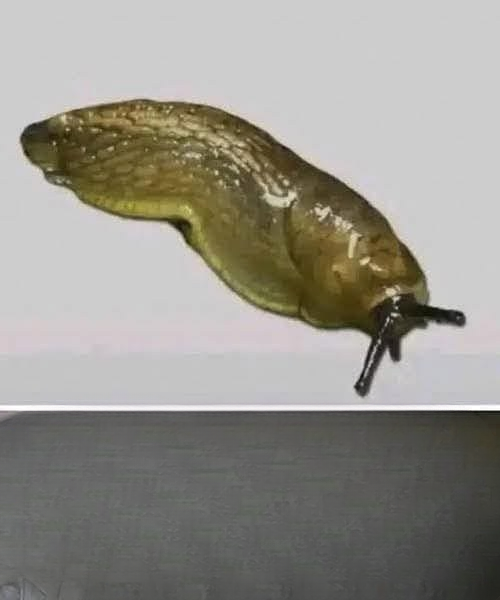
Most people react to slugs with annoyance. They leave shiny trails across sidewalks, appear in gardens after rain, and sometimes find their way indoors where they seem completely out of place. Because of their slimy appearance and slow movement, slugs are often viewed as unwanted pests rather than creatures with any real value.
But surprisingly, slugs can reveal a great deal about the health of your environment. In many cases, their presence is less about infestation and more about the natural balance of your yard, soil, and surrounding ecosystem.
Understanding why slugs appear around your home can help you see them differently—and may even provide useful clues about your outdoor environment.
What Exactly Are Slugs?
Slugs are soft-bodied mollusks closely related to snails. The main difference is that most slugs either lack an external shell entirely or possess only a tiny internal shell hidden beneath their bodies.
They thrive in cool, damp environments and are most active during wet weather or nighttime hours when moisture levels are higher. Their slippery mucus, often called slime, helps them move smoothly across rough surfaces while also protecting their delicate bodies from drying out.
Although they may seem unpleasant at first glance, slugs are actually important members of many ecosystems.
Why Slugs Appear Around Homes
Slugs are attracted to environments that provide three key things:
- Moisture
- Shelter
- Organic material to feed on
That means yards with healthy soil, mulch, gardens, fallen leaves, compost piles, or dense vegetation are especially attractive to them.
Common reasons slugs appear around a property include:
- Recent rainfall or humid weather
- Damp soil and shaded areas
- Decaying leaves or plant material
- Mulch beds and garden debris
- Thick vegetation that retains moisture
In some situations, slugs may enter homes through tiny cracks or gaps, especially if there is excess moisture indoors such as basement dampness, plumbing leaks, or condensation.
Rather than automatically signaling danger, slugs often indicate that your environment contains the moisture and organic matter needed to support life.
Nature’s Cleanup Crew
One of the most important jobs slugs perform is helping break down decaying organic material.
Slugs feed on:
- Dead leaves
- Fungi
- Decaying plants
- Algae
- Organic debris
By consuming this material, they help accelerate decomposition and return nutrients to the soil. This process supports healthier plant growth and contributes to a balanced ecosystem.
Without decomposers like slugs, natural waste would accumulate much more slowly in gardens and forests.
How Slugs Support Soil Health
Healthy soil depends on countless organisms working together beneath the surface. Slugs are part of that living system.
As they consume and process decaying material, they help:
- Release nutrients into the soil
- Encourage microbial activity
- Improve nutrient recycling
- Support overall soil fertility
Gardeners often focus on earthworms when discussing soil health, but slugs also play a role in maintaining productive, biologically active ground.
While too many slugs can damage delicate plants, moderate slug populations are usually a sign that the soil ecosystem is functioning naturally.
An Important Part of the Food Chain
Slugs are also an important food source for many animals.
Creatures that commonly feed on slugs include:
- Birds
- Frogs and toads
- Hedgehogs
- Beetles
- Small mammals
Because of this, slugs help support local wildlife populations. A yard with some slug activity often attracts predators that naturally help maintain ecological balance.
Removing every slug from an environment can disrupt that balance and reduce food sources for beneficial animals.
What Slugs Can Reveal About Your Environment
Slugs are highly sensitive to moisture and environmental conditions, which makes them useful indicators of certain changes around your property.
Frequent slug activity may suggest:
- High humidity levels
- Excess moisture in soil
- Poor drainage
- Overwatered gardens
- Dense ground cover
- Damp indoor conditions if slugs appear inside the home
If slugs suddenly begin appearing indoors regularly, it may be worth checking for hidden moisture problems such as leaks, foundation cracks, or poorly ventilated spaces.
In this way, slugs sometimes act as early warning signs for environmental conditions that homeowners should address.
Are Slugs Dangerous?
For most people, slugs are harmless.
They do not bite, sting, or attack humans. However, it is still best to avoid direct contact and wash your hands afterward, especially in gardens where wildlife and bacteria may be present.
The main concern with slugs is usually related to plant damage. Large populations can feed on vegetables, seedlings, flowers, and soft leaves in gardens.
Simple ways to manage excessive slug activity include:
- Reducing excess moisture
- Removing yard debris
- Watering plants earlier in the day
- Creating barriers around sensitive plants
- Encouraging natural predators like birds and frogs
In most cases, complete elimination is unnecessary and may disrupt beneficial ecological processes.
The Fascinating Science Behind Slug Slime
Slug mucus has become an unexpected area of scientific research.
Their slime contains compounds that help:
- Retain moisture
- Protect against bacteria
- Promote healing and cell regeneration
Researchers have studied these properties for potential applications in medicine and skincare. Similar compounds found in snail mucus are already used in some cosmetic products designed to support skin hydration and repair.
What once seemed like nothing more than a slimy nuisance is now attracting interest from scientists around the world.
A Different Perspective on Slugs
It’s easy to dismiss slugs as unpleasant garden pests, but their role in nature is far more important than many people realize.
They help recycle nutrients, support healthy soil, feed wildlife, and even provide clues about environmental conditions around your home.
While excessive slug populations may require management in gardens, their presence alone is usually not a bad sign. In many cases, it simply means your environment contains the moisture and biological activity needed to support a thriving ecosystem.
Sometimes, even the smallest creatures can tell us something meaningful about the world just outside our door.