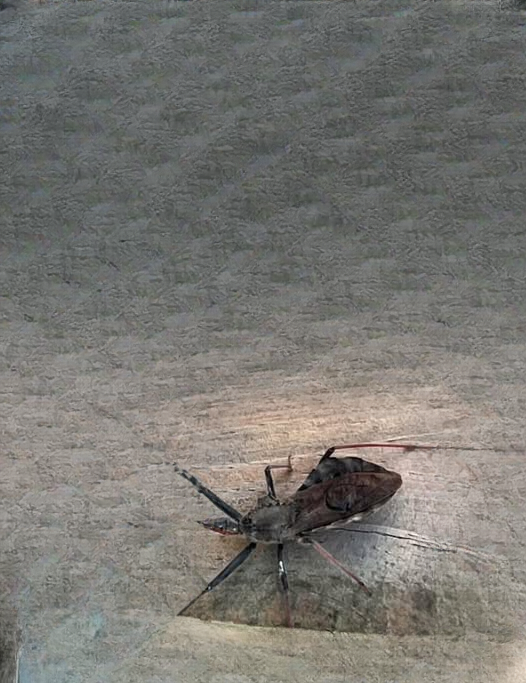
During the summer months across the United States, people naturally spend more time outdoors. Warm weather encourages activities such as backyard barbecues, gardening, hiking, camping, and family vacations. However, spending time outside also increases the chance of encountering insects.
Most Americans are familiar with the risks associated with mosquitoes, ticks, and stinging insects. In recent years, however, another insect has gained attention among scientists and public health professionals—the assassin bug.
While bites from these insects are relatively uncommon compared to mosquito or tick bites, awareness has been increasing in several regions. Certain species, often called kissing bugs, are known to carry a parasite associated with Chagas disease, a condition that can affect the heart and digestive system.
For most people in the United States, the risk of infection remains very low. Even so, learning how to identify these insects and understanding what steps to take after a bite can help reduce potential health concerns.
In many cases, simple actions—such as cleaning the bite area properly or sealing entry points around the home—can play a significant role in prevention.
Why Assassin Bugs Have Drawn Attention
Assassin bugs belong to a large insect family known as Reduviidae, which includes more than 7,000 species worldwide.
The majority of these insects are actually beneficial. Many assassin bugs are predators that feed on other insects, helping control pests in gardens and agricultural areas.
However, a small group within this family behaves differently. These insects, commonly known as kissing bugs, feed on the blood of mammals, including humans.
Their nickname comes from their tendency to bite around the face, particularly near the lips or eyes. These bites often occur while a person is sleeping, and they are usually painless at first.
The main concern is not the bite itself but the potential transmission of a parasite.
The Connection to Chagas Disease
Some kissing bug species can carry a microscopic parasite called Trypanosoma cruzi. This parasite causes Chagas disease, a condition that can lead to long-term health complications if left untreated.
According to the Centers for Disease Control and Prevention, an estimated 300,000 people living in the United States may already have the infection. Most of these individuals were exposed in parts of Latin America where the disease is more common.
Unlike illnesses spread by mosquitoes, the parasite is not transmitted through the insect’s saliva. Instead, infection can occur if parasite-containing feces enter the body through:
-
The bite wound
-
Broken skin
-
The eyes
-
The mouth
For this reason, scratching the bite area may increase risk because it can push contaminated material into the skin.
Why Awareness Is Important
Although cases in the United States remain rare, health experts emphasize the importance of awareness.
There are several reasons for this:
-
Changes in climate and environment may affect where insects live
-
Outdoor recreation continues to grow in popularity
-
Many people are unfamiliar with kissing bugs and their risks
Understanding how these insects behave and what symptoms to monitor can help individuals seek medical care quickly if needed.
Recognizing a Possible Bite
A bite from an assassin bug may look similar to many other insect bites, which can make identification difficult.
Typical reactions may include:
-
Redness around the bite area
-
Mild swelling
-
Itching or irritation
-
A small visible puncture mark
Because these symptoms are common with many insect bites, they do not necessarily indicate a serious issue.
However, if the parasite enters the body, symptoms related to Chagas disease may appear weeks later.
Early signs can include:
-
Fever
-
Fatigue
-
Headache
-
Muscle aches
-
Loss of appetite
-
Skin rash
-
Swelling near the bite
In some cases, swelling around one eye—called Romaña’s sign—may occur if the parasite enters through the eye.
Because these symptoms resemble many common illnesses, they may sometimes go unnoticed.
Steps to Take After a Suspected Bite
If you believe you may have been bitten by an assassin bug, taking a few simple precautions can help reduce potential risks.
1. Clean the Bite Area
Wash the skin thoroughly using soap and warm water. Proper cleaning can help remove bacteria or contaminants from the surface of the skin.
2. Avoid Scratching
Scratching may irritate the skin or introduce germs into the wound. Keeping the bite clean and undisturbed helps it heal properly.
3. Apply an Antiseptic
Using a mild antiseptic can reduce the chance of infection and help protect the skin.
4. Monitor Your Health
Over the following weeks, pay attention to symptoms such as fever, fatigue, unusual swelling, or other unexplained changes.
5. Seek Medical Advice If Needed
If symptoms appear or if you are concerned about exposure, contact a healthcare provider. Medical professionals can determine whether testing is appropriate.
Early treatment can significantly improve outcomes if infection occurs.
When Doctors May Recommend Testing
In certain situations, healthcare providers may recommend blood tests to check for possible exposure to Trypanosoma cruzi.
Diagnostic methods may include:
-
Blood antibody testing
-
Detection of the parasite during early infection
-
Follow-up monitoring if symptoms develop
Testing is particularly important if someone experiences persistent fatigue, heart-related symptoms, or unexplained illness after a suspected bite.
Who May Be More Likely to Encounter Kissing Bugs
Some groups may have a higher chance of encountering these insects.
These include:
-
People living near wooded or rural areas
-
Campers and hikers
-
Children who frequently play outdoors
-
Homes with outdoor lighting near entry points
Pets may also be exposed. Dogs that sleep outdoors or in garages can sometimes be bitten by these insects.
Pet owners should consult a veterinarian if their animals show signs of unusual fatigue, appetite loss, or illness.
Historical Background
Although awareness has increased in the United States in recent years, the connection between kissing bugs and disease has been known for more than a century.
In 1909, Brazilian physician Carlos Chagas identified Chagas disease while studying insects in rural communities.
His discovery was remarkable because he identified:
-
The disease itself
-
The parasite responsible
-
The insect vector
-
The host affected
All within the same research effort.
Why the Disease Is More Common in Latin America
Chagas disease is more widespread in parts of Central and South America.
Historically, some homes in these regions were built using materials such as thatch, mud, or wood. These materials sometimes provided hiding places for kissing bugs inside walls and roofs.
Modern construction practices in the United States—such as sealed walls, insulation, and screened windows—help reduce the likelihood of indoor infestations.
However, researchers have still identified more than eleven species of kissing bugs across the country.
Where Assassin Bugs Are Found in the United States
Reports are most common in southern and southwestern states, including:
-
Texas
-
Arizona
-
New Mexico
-
California
-
Nevada
-
Florida
However, sightings have occurred in more than half of U.S. states.
These insects typically live outdoors in places such as:
-
Woodpiles
-
Rock piles
-
Animal nests
-
Leaf litter
-
Under decks or porches
-
Sheds and barns
Occasionally, they may enter homes through small openings.
How Assassin Bugs Enter Homes
Like many insects, kissing bugs are attracted to lights at night. Outdoor lighting near doors or windows can draw them toward houses.
They may enter through:
-
Cracks around doors and windows
-
Damaged window screens
-
Open vents
-
Small gaps in foundations
-
Attic openings
Once indoors, they tend to hide in dark, undisturbed areas such as storage spaces or behind furniture.
Preventing Encounters with Assassin Bugs
Fortunately, several simple steps can reduce the chance of encountering these insects.
Maintain Your Yard
Keeping outdoor areas tidy helps eliminate potential hiding places.
Helpful actions include:
-
Moving woodpiles away from the house
-
Removing brush piles and leaf litter
-
Trimming vegetation near walls
-
Keeping outdoor spaces clean
These measures can also reduce other pests such as rodents and ticks.
Improve Home Maintenance
Small repairs can prevent many insects from entering the home.
Consider:
-
Sealing cracks in walls or foundations
-
Repairing damaged window screens
-
Installing weather stripping on doors
-
Covering vents with mesh screens
Even minor improvements can make a noticeable difference.
Adjust Outdoor Lighting
Because insects are attracted to bright lights, switching to yellow outdoor bulbs may help reduce activity near entryways.
Homeowners may also:
-
Turn off unnecessary exterior lights
-
Place lights farther from doors and windows
-
Use motion-activated lighting instead of constant illumination
Identifying Assassin Bugs
Correct identification is important because many harmless insects resemble kissing bugs.
Typical characteristics include:
-
An oval or elongated body
-
Dark brown or black coloring
-
Red or orange markings along the sides
-
Length of about 1 to 1.5 inches
-
A cone-shaped head
-
Long legs
If you believe you have found one, avoid touching it directly.
Local extension services or pest control professionals can help confirm the insect’s identity.
What to Do If You Find One Indoors
If you encounter an insect that resembles a kissing bug:
-
Avoid handling it with bare hands
-
Capture it using gloves or a container
-
Seal the container securely
-
Contact local pest control or extension services for identification
Proper identification can help determine whether further action is necessary.
Enjoying Summer Safely
Despite the attention assassin bugs have received, experts emphasize that encounters remain relatively rare in the United States.
For most people, the risk of infection is very low.
However, being informed helps individuals take simple precautions that protect their health and their homes.
Summer should still be a time for enjoying outdoor activities—whether hiking, gardening, camping, or gathering with family and friends.
By maintaining clean outdoor spaces, sealing entry points, and practicing basic hygiene after insect bites, most people can significantly reduce their exposure to potential risks.
Conclusion
Assassin bugs may not be as widely known as mosquitoes or ticks, but they serve as an important reminder of the connection between environmental health and personal awareness.
Learning how to recognize these insects, understanding the possible symptoms of Chagas disease, and knowing what to do after a bite can help protect both individuals and communities.
Fortunately, with awareness and simple preventive measures, the overall risk remains low.
By staying informed and taking practical steps around the home and outdoors, families can continue to enjoy summer activities safely and confidently.