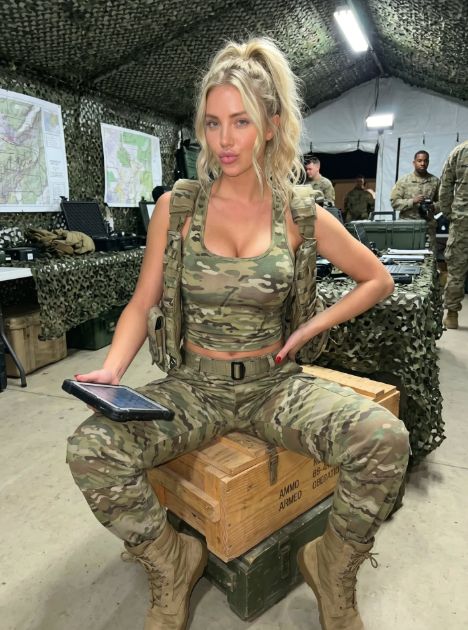
A uniform creates an impression before a single word is spoken.
Whether it is worn by a soldier, police officer, firefighter, nurse, pilot, or emergency responder, a uniform instantly communicates authority, responsibility, and trust. Crisp lines, badges, patches, and coordinated colors signal that the person wearing it represents something larger than themselves.
But those who wear uniforms every day understand a deeper truth:
Looking the part is only the beginning.
Real respect is earned through actions, composure, sacrifice, and character.
The Weight Behind the Uniform
In professions built around service and responsibility, appearance matters because people rely on quick visual recognition during stressful moments.
A paramedic arriving at an accident scene.
A nurse entering a hospital room.
A firefighter stepping toward danger.
A police officer responding to a crisis.
The uniform reassures people before conversations even begin.
But for the person wearing it, that reassurance often comes with enormous pressure.
Many describe feeling as though the uniform gives them instant expectations they must immediately live up to — sometimes before they feel fully prepared themselves.
Borrowed Confidence Must Become Real Confidence
Young professionals in uniformed careers often experience a difficult transition between appearance and experience.
A newly trained EMT may look calm and professional while internally battling nerves during a first emergency call. A rookie officer may wear the badge proudly while still learning how to stay composed under pressure.
The uniform may provide temporary credibility, but long-term trust is earned through performance, judgment, and reliability.
Experienced professionals often say that confidence develops slowly through difficult situations, mistakes, mentorship, and resilience.
Military Life: Discipline Beyond Appearance
In the military, uniforms symbolize discipline, unity, and service.
Ceremonial dress uniforms may appear polished and perfect during official events, but the reality of military life often involves exhaustion, physical hardship, uncertainty, and sacrifice far beyond what the public sees.
Veterans frequently describe uniforms as both protective and emotionally complex. They create identity, structure, and belonging — but they can also hide stress, fear, trauma, or emotional fatigue.
For many service members, removing the uniform after years of service becomes one of the most difficult transitions of all.
Public Service Under Constant Observation
Modern technology and social media have dramatically changed how uniformed professionals are viewed.
Police officers, healthcare workers, and emergency responders now perform much of their work under constant public scrutiny through phones, cameras, and online commentary.
A single interaction can become viral within minutes.
This has added another layer of emotional pressure to professions already defined by stress and responsibility.
Many professionals say that today’s environment requires not only technical skill, but also emotional intelligence, communication ability, and mental resilience.
The Emotional Cost Few People See
One of the least discussed realities of life in uniform is the emotional strain of constantly appearing strong.
Many professionals develop a “work persona” designed to remain calm during emergencies or conflict. Over time, separating that professional identity from personal life can become difficult.
This pressure may contribute to:
- Burnout
- Anxiety
- Emotional exhaustion
- Isolation
- Difficulty asking for help
Healthcare workers experienced this intensely during the COVID-19 pandemic, when scrubs and protective equipment became symbols of heroism while many workers privately struggled with grief, stress, and exhaustion.
Pride, Purpose, and Identity
Despite the challenges, many people who wear uniforms describe a deep sense of pride connected to their work.
The uniform often represents:
- Service
- Responsibility
- Sacrifice
- Teamwork
- Commitment to others
For some, it becomes part of their identity and personal history.
A firefighter’s gear carries memories of lives saved.
A nurse’s badge represents years of compassion and sacrifice.
A military uniform connects generations of service members across time.
These symbols hold emotional meaning that extends far beyond appearance alone.
More Than the Image
Perhaps the most important truth about uniforms is that they can never fully reveal the person underneath.
Behind every badge, patch, or title is a human being carrying fears, responsibilities, hopes, and personal struggles invisible to the public.
Some days they succeed brilliantly.
Other days they learn through failure and pressure.
But over time, the experience shapes them in ways no uniform alone ever could.
Final Thoughts
Uniforms may create first impressions, but character is what sustains trust.
The strongest professionals are rarely defined only by appearance, rank, or title. They are remembered for how they respond under pressure, how they treat others, and how they continue showing up despite difficult circumstances.
Eventually the uniform is folded away, retired, or replaced.
But the discipline, resilience, empathy, and lessons learned while wearing it often remain for life.