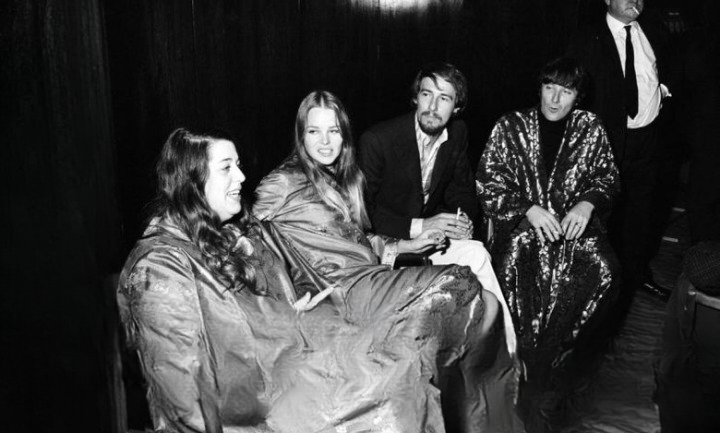
Few songs in popular music history have managed to capture longing, nostalgia, and hope quite like California Dreamin’. Released during one of the most transformative decades in modern history, the song became far more than just a chart hit—it evolved into a cultural symbol of escape, freedom, and the timeless search for something brighter beyond the horizon.
Decades after its release, “California Dreamin’” continues to resonate with listeners across generations. Whether heard on classic radio stations, in films, or through modern streaming playlists, its haunting melody and unforgettable harmonies still evoke emotion instantly.
But behind the iconic song lies a deeply personal story rooted in homesickness, ambition, creativity, and the rapidly changing spirit of 1960s America.
A Cold Winter Inspires a Timeless Song
In the early 1960s, John Phillips and Michelle Phillips were living in New York City while pursuing their musical dreams. Although the city was alive with creativity and artistic energy, the harsh East Coast winter affected Michelle deeply.
As a California native, she missed:
- the sunshine,
- warm weather,
- open skies,
- and relaxed atmosphere of the West Coast.
The gray skies and freezing temperatures of New York created a strong emotional contrast with the memories she carried from California. That feeling of longing became the emotional foundation for what would later become one of the defining songs of the decade.
Inspired by Michelle’s homesickness, John Phillips began writing lyrics that captured both personal emotion and a universal desire for escape.
The opening lines instantly established the mood:
“All the leaves are brown, and the sky is gray…”
Those words painted a vivid picture of winter isolation while introducing the deeper emotional longing at the heart of the song.
The Formation of The Mamas & The Papas
At the time the song was being written, John and Michelle Phillips were still developing their musical careers. Soon, they joined forces with:
- Denny Doherty
- and Cass Elliot
Together, they formed The Mamas & The Papas, a group whose harmonies and folk-pop sound would quickly distinguish them from other acts of the era.
The chemistry between the four singers created something unique:
- layered harmonies,
- emotional storytelling,
- folk influences,
- and polished pop production.
Their sound perfectly matched the spirit of a generation searching for identity, freedom, and emotional connection during the social changes of the 1960s.
A Song About More Than Weather
Although “California Dreamin’” began as a reflection of homesickness, its meaning quickly expanded far beyond climate and geography.
Listeners connected with the song because it expressed something deeply universal:
- the desire for change,
- the search for happiness,
- and the hope of reaching a better place emotionally or physically.
For many people during the 1960s, California represented:
- opportunity,
- creativity,
- freedom,
- and reinvention.
The song became an anthem for dreamers, artists, travelers, and anyone longing to escape difficult circumstances.
Its emotional power came from balancing melancholy with optimism. The lyrics acknowledged discomfort and isolation while still holding onto hope for something warmer and brighter ahead.
The First Recording Wasn’t by The Mamas & The Papas
Interestingly, the song was initially recorded by Barry McGuire rather than The Mamas & The Papas themselves.
The group contributed backing vocals to McGuire’s version, but it soon became clear that the song had enormous potential. Recognizing this, the band decided to record their own interpretation.
That decision changed music history.
With Denny Doherty handling lead vocals and the group’s harmonies surrounding the melody, the track gained emotional depth and authenticity that made it unforgettable.
The Sound That Made the Song Iconic
Part of what makes “California Dreamin’” so recognizable is its distinctive musical arrangement.
Several creative elements helped shape its legendary sound:
The Guitar Introduction
The opening guitar riff immediately establishes the mood—melancholic, reflective, and atmospheric.
The Harmonies
The vocal layering became one of the group’s trademarks. The blend of voices created warmth while reinforcing the emotional tension within the lyrics.
The Flute Solo
Jazz musician Bud Shank added an improvised alto flute solo that gave the song an almost dreamlike quality.
The flute became one of the track’s most memorable features and helped separate it from traditional folk recordings of the time.
Together, these musical choices created a sound that felt sophisticated, emotional, and timeless.
Climbing the Charts
When “California Dreamin’” was released in late 1965, it did not instantly become a national sensation. However, strong radio support helped the song gradually gain momentum.
A Boston radio station reportedly began giving the track heavy airplay, helping it spread rapidly among listeners.
As audiences connected emotionally with the song, its popularity exploded.
By March 1966:
- the song reached No. 4 on the Billboard Hot 100,
- and The Mamas & The Papas became one of the defining groups of the era.
The success of “California Dreamin’” helped launch a remarkable career filled with additional hits and worldwide recognition.
A Defining Song of the 1960s
The 1960s were marked by:
- cultural transformation,
- political tension,
- artistic experimentation,
- and changing social values.
During this period, music became more than entertainment—it became a reflection of generational identity.
“California Dreamin’” captured many emotions people felt during that era:
- uncertainty,
- restlessness,
- hope,
- and the desire for personal freedom.
The song fit perfectly into the growing folk-rock movement while also appealing to mainstream pop audiences.
Its emotional honesty made it timeless.
Why the Song Still Resonates Today
More than half a century later, “California Dreamin’” continues reaching new audiences.
Its enduring popularity comes from several factors:
Universal Themes
Everyone experiences longing, nostalgia, or the desire for change at some point in life.
Emotional Atmosphere
The song’s combination of sadness and hope creates emotional depth that feels relatable across generations.
Timeless Production
Unlike many recordings tied strongly to one era, the song’s arrangement still sounds fresh and atmospheric today.
Cultural Presence
The song continues appearing in:
- movies,
- television shows,
- documentaries,
- commercials,
- and streaming playlists.
This constant reintroduction helps younger audiences discover the track decades after its release.
Countless Artists Have Covered It
Over the years, “California Dreamin’” has been interpreted by artists across many genres, including:
- rock,
- jazz,
- pop,
- soul,
- and electronic music.
Each version brings a different emotional interpretation while preserving the original song’s spirit.
That flexibility is one sign of truly great songwriting.
The Legacy of The Mamas & The Papas
Although The Mamas & The Papas produced multiple successful songs, “California Dreamin’” remains their signature work.
The group helped define the folk-pop sound of the 1960s and influenced countless musicians who followed.
Their success demonstrated the power of:
- harmony-driven music,
- emotional storytelling,
- and creative collaboration.
Despite personal tensions and challenges within the band over the years, their musical legacy remains enormously influential.
More Than Just a Song
What makes “California Dreamin’” extraordinary is that it continues speaking to listeners emotionally decades after it was written.
The song represents:
- hope during difficult times,
- dreams of reinvention,
- emotional escape,
- and the human desire for something brighter ahead.
Its message remains relevant because people continue searching for:
- peace,
- belonging,
- happiness,
- and new beginnings.
Final Thoughts
“California Dreamin’” is more than a classic hit from the 1960s—it is a lasting piece of cultural history.
Born from homesickness and personal longing, the song transformed into an anthem that captured the spirit of an entire generation while remaining emotionally powerful for audiences today.
Its haunting melody, unforgettable harmonies, and timeless message continue reminding listeners that even during cold, uncertain moments, people naturally look toward warmth, hope, and possibility.
As long as humans continue dreaming of brighter horizons, “California Dreamin’” will remain timeless—a beautiful reflection of longing, resilience, and the enduring pursuit of something better.