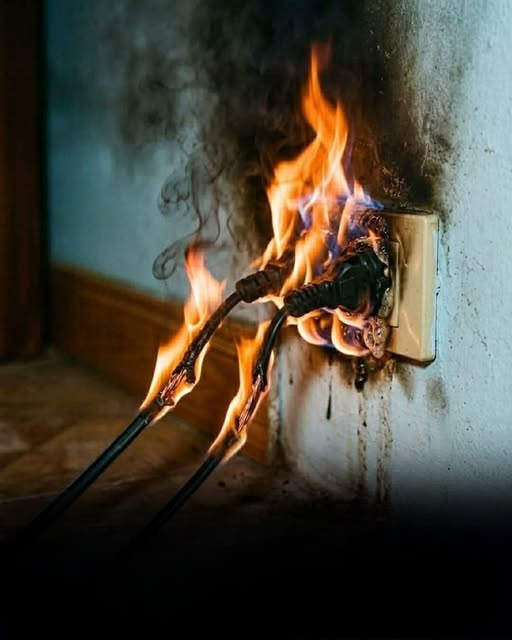
Electricity powers nearly every part of modern life. From smartphones and televisions to kitchen appliances and home office equipment, most households depend heavily on electrical devices every single day. Because we use so many electronics at once, power strips have become one of the most common household tools for managing multiple plugs conveniently.
Power strips are useful, affordable, and practical—but they also come with risks when used incorrectly.
Many people assume that if something fits into a power strip, it must automatically be safe to use there. Unfortunately, that’s not always true. Certain appliances draw far more electricity than standard power strips are designed to handle. Overloading a strip can lead to overheating, damaged electronics, tripped breakers, or even electrical fires.
Understanding which devices should never be plugged into a power strip is an important step toward improving household safety and protecting both your home and your appliances.
Why Power Strips Can Become Dangerous
Most standard household power strips are designed for low- to moderate-power electronics such as:
- phone chargers,
- lamps,
- routers,
- speakers,
- and small office equipment.
They are not intended for large appliances that use high wattage or produce continuous heat.
Every power strip has a maximum electrical load. When too many high-powered devices are connected at once, the strip can overheat because the internal wiring cannot safely handle the demand.
In many cases, people overload strips without realizing it.
1. Ovens and Electric Ranges
Electric ovens require a large amount of electricity, especially during preheating and cooking cycles. These appliances are specifically designed to operate on dedicated circuits because their power demand is far higher than what a typical power strip can safely support.
Using a power strip with an oven may cause:
- overheating,
- electrical failure,
- or fire hazards.
Safer Option
Always plug ovens and electric ranges directly into properly installed wall outlets designed for heavy appliances.
2. Refrigerators
Refrigerators run continuously throughout the day and cycle on and off automatically as the compressor activates. Each cycle creates a temporary power surge that can strain a power strip over time.
Because refrigerators are essential appliances, unstable power connections can also damage the cooling system itself.
Why It’s Risky
- Continuous operation
- Compressor surge loads
- Increased overheating risk
Safer Option
Use a dedicated wall outlet without extension cords or power strips.
3. Washing Machines
Washing machines consume substantial electricity during wash and spin cycles. Many models can approach or exceed the maximum safe wattage of standard strips.
Because washing machines are often left unattended during operation, overheating risks become even more concerning.
Common Dangers
- High electrical demand
- Long operating periods
- Potential overheating behind appliances
Best Practice
Connect washing machines directly to grounded wall outlets.
4. Space Heaters
Portable heaters are among the most dangerous devices to connect to a power strip.
Most space heaters use around 1,500 watts when operating on high settings. That amount alone can nearly max out many standard household strips.
Electrical safety organizations frequently warn against this practice because space heaters are linked to many residential fires each year.
Why Space Heaters Are Dangerous on Strips
- Continuous high power draw
- Heat generation
- Increased fire risk
Safety Recommendation
Always plug space heaters directly into wall outlets and avoid leaving them unattended.
5. Microwaves
Microwave ovens use large bursts of energy while heating food. Even though cooking times may seem short, the electrical load is significant.
When combined with other devices on a strip, microwaves can easily overload circuits.
Risks Include
- Tripped breakers
- Melted wiring
- Reduced appliance lifespan
Better Solution
Plug microwaves directly into kitchen wall outlets designed for appliance use.
6. Coffee Makers
Coffee makers may appear harmless, but many brewing systems consume over 1,000 watts during operation.
Morning kitchen routines often involve multiple appliances operating simultaneously, which can quickly overload a strip.
Hidden Risk
Power strips placed behind kitchen counters may overheat without being noticed immediately.
Safety Tip
Use wall outlets for coffee makers and avoid combining them with other heat-producing appliances.
7. Toasters and Toaster Ovens
Toasters generate intense heat quickly and require significant electrical power during operation.
Despite their small size, they are considered high-wattage appliances and should never share overloaded strips with other devices.
Potential Problems
- Strip overheating
- Short circuits
- Electrical fires
Recommended Practice
Always connect toasters directly to kitchen outlets.
8. Plugging One Power Strip Into Another
This practice, commonly called “daisy-chaining,” is one of the most dangerous electrical habits found in homes and offices.
People sometimes connect multiple strips together to create additional outlets, especially around entertainment systems or workstations.
However, doing so greatly increases the risk of:
- overheating,
- overloaded circuits,
- and fire hazards.
Why Daisy-Chaining Is Dangerous
Each strip adds additional electrical demand to a single wall outlet that may already be near its capacity.
Safer Alternative
Use one high-quality surge protector or consult an electrician about adding more outlets if necessary.
9. Sensitive Electronics Without Surge Protection
Devices like:
- computers,
- televisions,
- gaming consoles,
- and routers
may not consume huge amounts of power, but they are highly sensitive to electrical fluctuations and surges.
Standard power strips without surge protection may fail to protect expensive electronics from:
- lightning-related surges,
- voltage spikes,
- or sudden outages.
Safer Option
Use dedicated surge protectors designed specifically for electronics protection.
Important Safety Tips for Every Home
Check Wattage Ratings
Always verify the maximum wattage supported by your power strip before plugging in appliances.
Avoid Covering Power Strips
Never place strips under rugs, blankets, or furniture where heat can become trapped.
Replace Damaged Strips
If a strip becomes:
- warm,
- discolored,
- cracked,
- or emits unusual smells,
replace it immediately.
Use Certified Products
Choose strips and surge protectors tested by recognized safety organizations.
Inspect Cords Regularly
Frayed or damaged cables can become serious fire hazards over time.
Signs a Power Strip May Be Overloaded
Warning signs include:
- buzzing sounds,
- burning smells,
- flickering devices,
- warm plugs,
- or repeated breaker trips.
If you notice any of these symptoms, disconnect devices immediately and inspect the setup carefully.
Why Electrical Awareness Matters
Many household electrical accidents happen not because of major equipment failures, but because of small everyday habits repeated over time.
Simple safety improvements can significantly reduce risks:
- using appliances correctly,
- avoiding overloaded outlets,
- and understanding electrical limits.
These small choices help protect:
- your electronics,
- your home,
- and your family.
Final Thoughts
Power strips are extremely useful when used correctly. They work well for:
- chargers,
- lamps,
- small electronics,
- and home office devices.
But high-powered appliances like ovens, heaters, microwaves, refrigerators, and washing machines should never rely on standard strips for operation.
Understanding electrical safety is one of the easiest ways to reduce household fire risks and extend the lifespan of your appliances.
Sometimes, the safest solution is also the simplest:
plug high-wattage appliances directly into the wall outlet designed for them.