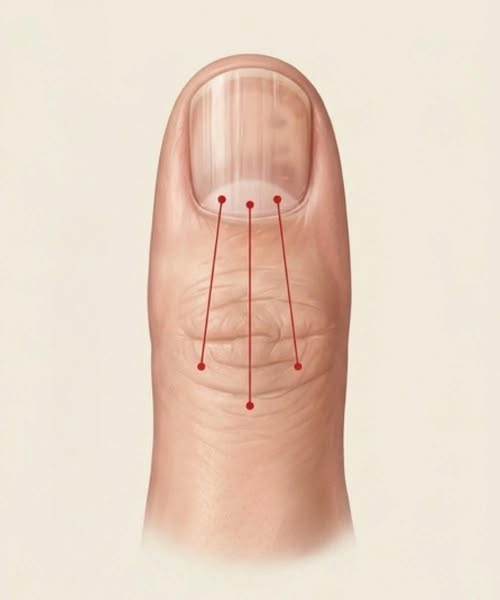
Most people rarely pay close attention to their nails unless they chip, break, or need trimming. But nails can sometimes offer small clues about what is happening inside the body. While changes such as ridges, brittleness, or discoloration are often harmless and connected to aging or lifestyle habits, they can occasionally signal underlying health conditions worth paying attention to.
One condition often linked to nail changes is thyroid imbalance.
Although nail ridges alone do not automatically mean something is wrong, experts say they can sometimes appear alongside symptoms connected to thyroid disorders, nutritional deficiencies, dehydration, or stress.
Understanding what nail changes may — and may not — indicate can help people recognize when simple self-care is enough and when a medical evaluation may be useful.
Why Nails Reflect Overall Health
Nails are made primarily of keratin, a strong protein also found in hair and skin. Even though nails seem simple, they actually grow from living tissue beneath the skin.
Because nail growth depends on:
- blood circulation,
- nutrition,
- hormones,
- hydration,
- and overall health,
changes inside the body can sometimes become visible through nail appearance.
Doctors have long used nail observations as one small part of broader health evaluations.
However, nail changes alone are rarely enough to diagnose a medical condition.
Understanding Nail Ridges
Nail ridges are lines or raised areas that appear on the surface of the nails.
They generally fall into two categories:
Vertical Ridges
These ridges run from the cuticle toward the tip of the nail.
They are extremely common and usually harmless.
In many people, vertical ridges become more noticeable with age as nail growth naturally changes over time.
Other causes may include:
- dehydration,
- frequent hand washing,
- dry skin,
- repeated nail trauma,
- or minor nutrient deficiencies.
Horizontal Ridges
Horizontal ridges, sometimes called Beau’s lines, run across the nail from side to side.
These may occasionally appear after:
- illness,
- high fever,
- physical stress,
- injury,
- or significant disruption in nail growth.
Unlike vertical ridges, horizontal ridges may deserve closer medical attention if they appear suddenly or affect multiple nails.
The Thyroid’s Role in the Body
The thyroid is a small butterfly-shaped gland located in the front of the neck.
Despite its size, it plays a major role in regulating:
- metabolism,
- energy levels,
- body temperature,
- heart rate,
- hormone balance,
- and many other body functions.
When thyroid hormone levels become too low or too high, symptoms can appear throughout the body — including the skin, hair, and nails.
How Hypothyroidism May Affect Nails
Hypothyroidism occurs when the thyroid gland does not produce enough hormone.
This slows down many bodily processes and can lead to symptoms such as:
- fatigue,
- weight gain,
- dry skin,
- constipation,
- cold sensitivity,
- and thinning hair.
Nails may also begin changing gradually.
Some people with hypothyroidism notice:
- brittle nails,
- slower nail growth,
- increased splitting,
- dryness,
- or more visible ridges.
Because nail growth slows, nails may become weaker and more likely to break during everyday activities.
Nail Changes Linked to Hyperthyroidism
Hyperthyroidism occurs when the thyroid produces excessive hormone.
This can speed up body functions and cause symptoms such as:
- rapid heartbeat,
- nervousness,
- sweating,
- weight loss,
- shaking hands,
- and trouble sleeping.
Nails may also become:
- thinner,
- softer,
- or more fragile.
In some cases, nails may begin separating slightly from the nail bed, although this symptom is less common.
Nail Ridges Usually Have Simpler Causes
Although thyroid conditions can affect nail appearance, most nail ridges are not caused by serious illness.
Very often, ridges develop because of:
- natural aging,
- dryness,
- repeated exposure to water,
- harsh soaps,
- nail biting,
- cleaning chemicals,
- or minor injuries.
Nails naturally change over time, just like skin and hair.
This is why experts recommend looking at the bigger picture rather than focusing on nails alone.
Other Symptoms That May Deserve Attention
Doctors usually become more concerned when nail changes appear together with other symptoms.
Signs that may justify medical evaluation include:
- persistent fatigue,
- unexplained weight changes,
- hair thinning,
- dry or rough skin,
- anxiety,
- unusual sensitivity to cold or heat,
- constipation,
- rapid heartbeat,
- or ongoing weakness.
When several symptoms appear together, they may point toward hormonal imbalance or another health condition.
Nutritional Deficiencies Can Also Affect Nails
Nails often respond quickly to poor nutrition.
Low levels of:
- iron,
- zinc,
- protein,
- biotin,
- or certain vitamins
may contribute to:
- brittleness,
- ridges,
- slow growth,
- or weak nails.
Crash diets, restrictive eating habits, and poor hydration may also affect nail appearance over time.
Stress and Nail Health
Chronic stress can influence the body in surprising ways — including nail growth.
Periods of emotional or physical stress may temporarily disrupt nail development, sometimes causing:
- ridges,
- increased brittleness,
- or slower growth.
Stress also affects sleep, hormone balance, and circulation, all of which contribute to healthy nails.
Everyday Habits That Can Damage Nails
Many daily habits unintentionally weaken nails over time.
Common examples include:
- excessive hand washing,
- frequent use of hand sanitizer,
- harsh nail polish removers,
- acrylic nails,
- aggressive filing,
- or repeated exposure to detergents.
Over time, these habits can dry out nails and make ridges more noticeable.
How Doctors Evaluate Thyroid Health
If thyroid disease is suspected, doctors usually order simple blood tests.
These tests commonly measure:
- thyroid-stimulating hormone (TSH),
- T3 hormone levels,
- and T4 hormone levels.
Because many thyroid symptoms overlap with other conditions, proper testing is necessary for accurate diagnosis.
Nail appearance alone is never enough to confirm thyroid disease.
Simple Ways to Support Healthier Nails
Healthy nail habits can help improve appearance and strength over time.
Experts often recommend:
- moisturizing hands and cuticles regularly,
- drinking enough water,
- eating balanced meals,
- trimming nails carefully,
- wearing gloves during cleaning,
- and limiting harsh nail products.
A diet rich in:
- protein,
- leafy greens,
- healthy fats,
- and vitamins
may also support stronger nail growth.
When to Seek Medical Advice
Occasional ridges are usually harmless.
However, medical attention may be helpful if:
- nail changes appear suddenly,
- nails become severely brittle,
- discoloration develops,
- pain occurs,
- or multiple symptoms appear together.
Early evaluation can help identify whether an underlying condition is contributing to the changes.
Why People Are Paying More Attention to Nail Health
Social media and wellness trends have increased interest in the idea that the body sends visible signals about internal health.
While some online claims are exaggerated, medical professionals agree that nails can occasionally reflect broader health patterns.
The key is balance:
- noticing changes without panicking,
- staying informed,
- and understanding that most nail ridges are completely harmless.
Final Thoughts
Nail ridges may look concerning, but in many cases they are simply a normal part of aging or everyday wear and tear.
Still, nails can sometimes offer small clues about overall health, particularly when changes appear alongside symptoms such as fatigue, weight fluctuations, dry skin, or hair thinning.
Conditions like thyroid disorders may influence nail growth and strength, but proper medical testing is always necessary before drawing conclusions.
In the end, healthy nails are often connected to healthy habits:
good nutrition, hydration, stress management, and proper self-care.
Sometimes, the body communicates quietly — and paying attention to small changes can help people better understand their overall well-being.