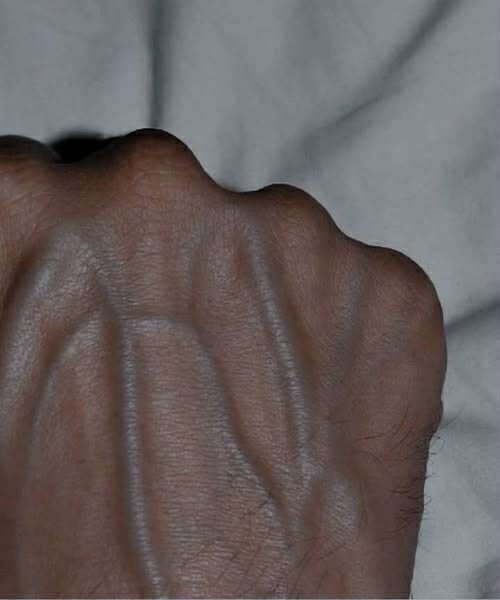
Noticing veins becoming more visible beneath the skin can feel surprising or even worrying, especially if the change seems sudden.
Those blue, green, or purple lines may appear more noticeable on the:
- Hands
- Arms
- Legs
- Chest
- Feet
For many people, visible veins are completely normal and harmless. In fact, they are often linked to natural body characteristics rather than serious health problems.
Still, there are situations where vein changes may deserve medical attention — particularly when they appear alongside pain, swelling, or skin changes.
Why Veins Become More Visible
Veins carry blood back toward the heart, and several normal factors can make them easier to see beneath the skin.
Low Body Fat
People with lower body fat percentages often have more noticeable veins because there is less tissue covering them.
This is especially common in:
- Athletes
- Bodybuilders
- Very lean individuals
Exercise and Physical Activity
During exercise, muscles require increased blood flow.
This can temporarily enlarge veins and make them appear more prominent, especially after:
- Weight training
- Running
- Intense workouts
- Physical labor
In many cases, this effect is completely normal.
Aging and Thinner Skin
As people age, skin naturally becomes thinner and loses some elasticity.
This makes underlying veins easier to see, particularly on:
- Hands
- Arms
- Legs
Visible veins are therefore very common among older adults.
Warm Weather and Heat
Heat causes blood vessels to expand slightly, which can make veins appear darker or larger.
Many people notice more visible veins:
- During summer
- After hot showers
- In warm environments
- Following physical activity
Once the body cools down, veins often become less noticeable again.
Genetics Also Play a Role
Some people naturally have more visible veins due to inherited traits involving:
- Skin tone
- Skin thickness
- Vein placement
- Body composition
For these individuals, visible veins may simply be part of normal appearance.
When Visible Veins May Need Medical Attention
Although visible veins are often harmless, certain symptoms should not be ignored.
Warning signs may include:
- Pain or tenderness
- Swelling
- Skin discoloration
- Bulging twisted veins
- Burning sensations
- Leg heaviness
- Slow-healing wounds
- Cold fingers or toes
These symptoms may sometimes point toward circulation problems or vein disorders.
Understanding Varicose veins
One common condition involving visible veins is Varicose veins.
These veins:
- Often appear enlarged and twisted
- Commonly affect the legs
- May cause aching or heaviness
- Can worsen after standing long periods
Varicose veins develop when vein valves weaken, allowing blood to pool instead of flowing efficiently.
Poor Circulation and Other Concerns
Visible veins combined with:
- Persistent swelling
- Skin ulcers
- Numbness
- Changes in temperature
- Cramping
may indicate circulation-related conditions that should be evaluated by a healthcare professional.
Early medical attention can help identify underlying problems before complications develop.
When to See a Doctor
It may be helpful to seek medical advice if visible veins:
- Appear suddenly without explanation
- Become painful
- Continue worsening
- Are accompanied by swelling or redness
- Interfere with daily comfort
A doctor may evaluate:
- Blood flow
- Vein function
- Circulation health
- Potential clotting concerns
Healthy Habits That Support Circulation
Good circulation habits may help support vein health over time.
Helpful lifestyle practices include:
- Regular exercise
- Staying hydrated
- Avoiding prolonged sitting
- Maintaining healthy weight
- Elevating legs when resting
- Wearing compression socks if recommended
These habits may improve comfort and reduce pressure on veins.
Visible Veins Are Often Completely Normal
In many cases, visible veins are simply a reflection of:
- Body composition
- Physical fitness
- Age
- Temperature
- Genetics
For countless people, they are not dangerous and require no treatment at all.
The important thing is paying attention to additional symptoms rather than appearance alone.
A Reminder to Listen to Your Body
The body constantly changes over time, and many physical changes are harmless parts of normal aging and circulation.
Still, unusual symptoms should never be ignored simply because they seem cosmetic.
Visible veins by themselves are often normal — but when combined with pain, swelling, or skin changes, they may be the body’s way of signaling that something deserves closer attention.