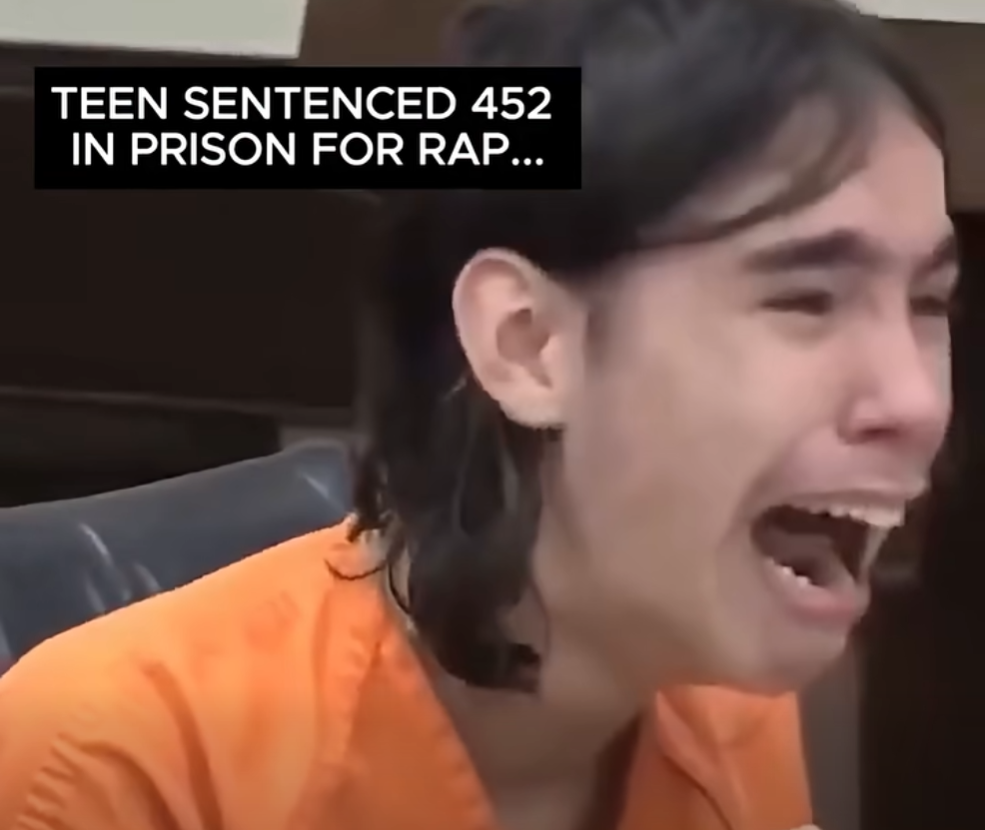
When headlines report that a teenager has been sentenced to hundreds of years in prison, the reaction is often immediate shock. Numbers like “300 years,” “450 years,” or even longer can feel impossible to understand, especially when the person involved is still very young.
These stories quickly spread online because they raise emotional and difficult questions about justice, accountability, punishment, and rehabilitation. Many people wonder how such sentences are calculated, why courts issue them, and what they actually mean in practice.
While the headlines are dramatic, understanding the legal structure behind these cases can provide important context.
Why Extremely Long Sentences Happen
In many criminal cases, especially those involving multiple charges, courts do not issue one single sentence for the entire case.
Instead, judges often assign separate penalties for each individual offense.
For example, a case might involve:
Multiple victims
Several criminal charges
Different incidents connected to the same event
Separate violations of the law
Each conviction may carry its own prison term. When those sentences are ordered to run consecutively rather than simultaneously, the total number can become extremely large.
This is one reason why some sentences exceed a normal human lifespan.
The large total often reflects the number and severity of the convictions rather than an expectation that someone will literally serve every single year individually.
Consecutive vs. Concurrent Sentences
One of the most important legal concepts in these cases is the difference between consecutive and concurrent sentencing.
Concurrent Sentences
When sentences run concurrently, multiple prison terms are served at the same time.
For example:
10 years for one charge
15 years for another charge
If served concurrently, the person would generally serve only the longer sentence.
Consecutive Sentences
When sentences run consecutively, each term begins after the previous one ends.
Using the same example:
10 years plus 15 years
The total becomes 25 years.
In serious criminal cases involving multiple convictions, courts may choose consecutive sentencing to reflect the seriousness and scope of the offenses.
This is how totals can eventually reach hundreds of years.
Why These Cases Spark Public Debate
Cases involving young offenders often create strong public reactions because they involve two difficult realities at the same time:
The seriousness of the crime
The age and development of the person involved
Many people believe severe crimes require severe consequences regardless of age. Others believe teenagers should be viewed differently from adults because their brains and emotional judgment are still developing.
This debate has existed for decades within both legal and psychological discussions.
What Science Says About Teenage Decision-Making
Research in psychology and neuroscience shows that adolescent brains continue developing well into early adulthood.
Areas connected to:
Impulse control
Long-term planning
Risk evaluation
Emotional regulation
are still maturing during the teenage years.
Because of this, some experts argue that teenagers are more likely to make impulsive decisions without fully understanding long-term consequences.
This does not remove accountability, but it has influenced legal discussions about how young offenders should be sentenced.
The Difference Between Accountability and Rehabilitation
One major issue in these cases is balancing punishment with the possibility of rehabilitation.
Accountability
Courts must consider:
Public safety
The seriousness of the offense
The impact on victims and families
Legal responsibility
The justice system is designed to respond to harmful actions and protect society.
Rehabilitation
At the same time, some believe younger offenders may still have the capacity for:
Personal growth
Education
Emotional development
Behavioral change
Rehabilitation focuses on whether someone can eventually become capable of safely reentering society.
Balancing these two goals is one of the most difficult parts of criminal justice involving minors.
Why Headlines Can Be Misleading
Media headlines often focus on the size of the sentence because large numbers attract attention.
However, the headline alone rarely explains:
How the sentence was calculated
Whether parole exists
How sentencing laws work in that state or country
Whether appeals are possible
The legal reasoning behind consecutive penalties
Without context, the public may misunderstand what the sentence actually represents.
This is why legal experts encourage people to look beyond dramatic numbers and understand the structure behind the case.
The Emotional Impact on Families and Communities
These cases affect far more than the person being sentenced.
Families on all sides often experience:
Shock
Grief
Confusion
Public attention
Long-term emotional stress
Communities may also struggle with fear, anger, or sadness after serious crimes occur.
For victims and their loved ones, sentencing may represent accountability and closure. For the offender’s family, it can feel like a devastating loss of the future they once imagined.
These emotional realities help explain why public conversations around such cases are often deeply divided.
The Role of Judges in Sentencing
Judges do not simply choose random numbers when issuing sentences.
They must follow laws and sentencing guidelines that may require:
Minimum prison terms
Separate penalties for specific crimes
Enhanced punishment in severe cases
Victim-related sentencing rules
In some situations, judges have limited flexibility depending on how laws are written.
This is why legal outcomes sometimes reflect mandatory sentencing structures rather than purely personal judgment.
Ongoing Legal and Social Discussions
Across many countries, there are ongoing debates about how the justice system should handle young offenders involved in serious crimes.
Some advocate for:
Stronger rehabilitation programs
Mental health support
Alternative sentencing approaches
Expanded opportunities for parole review
Others argue that serious crimes require firm punishment to maintain public safety and deterrence.
There is no universal agreement, which is why these cases continue to generate discussion years after sentencing occurs.
Why Prevention Matters
Many experts believe prevention and early intervention are essential parts of reducing youth involvement in serious crime.
Support systems can include:
Family support
Education programs
Counseling services
Mentorship
Mental health care
Conflict-resolution skills
Community engagement
While no system can prevent every tragedy, early support may help reduce situations where young people make destructive decisions during emotional or high-pressure moments.
Understanding the Human Side of Legal Cases
It is easy for large sentencing numbers to become abstract headlines.
But behind every case are real people:
Victims
Families
Communities
Investigators
Judges
Young individuals whose futures changed permanently
Understanding the legal process does not require ignoring the seriousness of crimes. Instead, it encourages a more informed perspective on how justice systems function and why complex sentencing outcomes occur.
Final Thoughts
Cases involving extremely long prison sentences for young offenders often spark emotional reactions because they sit at the intersection of justice, accountability, age, and human development.
While headlines focus on dramatic numbers, the reality behind these sentences is usually far more complex. Consecutive charges, legal structures, public safety concerns, and debates about rehabilitation all play important roles in how courts reach these outcomes.
Understanding these factors can help create a more balanced and informed discussion about how societies respond to serious crimes involving young individuals.
Because ultimately, these cases are not just about numbers.
They are about law, responsibility, consequences, and the difficult questions every justice system must face when youth and serious crime intersect.