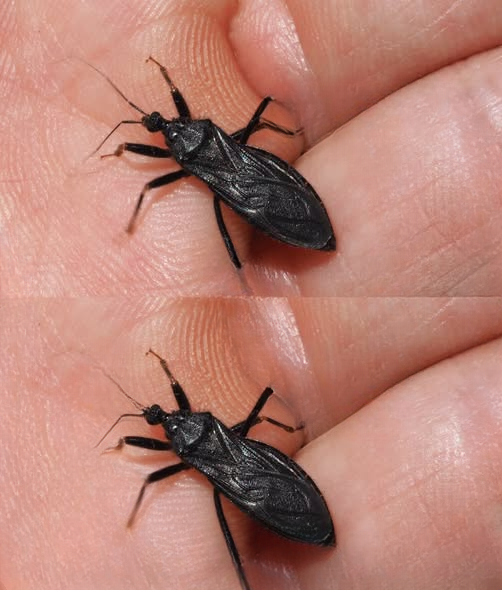
Warm weather brings more time outdoors, but it also increases contact with insects that can cause health concerns. One insect many people may not recognize right away is the assassin bug, sometimes called the “kissing bug.” While not every bite leads to serious illness, understanding how to respond can help protect your health and reduce unnecessary risks.
Assassin bugs are blood-feeding insects found in parts of the United States, especially in warmer southern regions. They are often active at night and may hide near woodpiles, outdoor structures, gardens, or cracks around homes. Some species are known for carrying parasites that can spread Chagas disease, a potentially serious illness that affects humans and animals.
Although cases remain relatively uncommon in many areas, awareness is important because early medical attention can make a major difference if infection occurs.
What Happens After an Assassin Bug Bite?
Most bites are painless at first, which means some people may not even realize they were bitten. The area may later become red, swollen, itchy, or irritated. In some cases, the insect may leave behind parasites near the bite site, which can enter the body if rubbed into the skin or eyes.
Many people never develop symptoms, but others may experience signs of illness days or weeks later.
Possible symptoms linked to Chagas disease can include:
- Fever
- Fatigue
- Headaches
- Body aches
- Rash
- Swelling near the bite area
- Nausea or vomiting
If left untreated for years, chronic infection may sometimes affect the heart or digestive system. This is why medical evaluation is important whenever exposure is suspected.
What You Should Do Immediately After a Bite
1. Wash the Area Carefully
Clean the bite area thoroughly with soap and warm water as soon as possible. This helps reduce the risk of irritation and may lower the chance of contamination.
Avoid scratching the bite, since rubbing the skin can increase irritation or introduce bacteria.
2. Apply a Cold Compress
A clean cold compress or ice pack wrapped in cloth may help reduce swelling and discomfort. Apply it for short intervals rather than directly against the skin for long periods.
3. Monitor for Symptoms
Pay attention to how you feel over the next several days and weeks. If symptoms such as fever, fatigue, swelling, or unusual illness appear, contact a healthcare provider promptly.
4. Contact a Medical Professional
If you believe the insect may have been an assassin bug, it’s wise to speak with a doctor or urgent care provider. They may recommend testing depending on your location, symptoms, and possible exposure.
Early treatment is often more effective if an infection is present.
How to Reduce the Risk of Assassin Bug Bites
While it’s impossible to remove all insects from the environment, several preventive steps may help reduce exposure.
Keep Outdoor Areas Clean
Assassin bugs may hide in cluttered areas such as:
- Wood piles
- Leaf piles
- Debris near foundations
- Outdoor storage areas
Keeping yards tidy can make the environment less attractive to insects.
Seal Entry Points Around the Home
Inspect windows, doors, vents, and wall openings for cracks or gaps where insects could enter. Screens and weather sealing can help keep bugs outside.
Use Outdoor Lighting Carefully
Bright lights may attract insects at night. Using softer outdoor lighting or reducing unnecessary nighttime lights may help limit bug activity near doors and windows.
Wear Protective Clothing
If spending time outdoors in areas where insects are common, long sleeves and pants can help reduce exposed skin.
Consider Insect Repellent
Some insect repellents may help discourage biting insects. Follow label instructions carefully and choose products appropriate for your needs.
What About Pets?
Dogs and other animals can also encounter assassin bugs outdoors. Pet owners should watch for unusual bites, swelling, or illness and consult a veterinarian if concerned.
Keeping pet sleeping areas clean and reducing insect access to outdoor shelters may help lower risk.
Why Awareness Matters
One reason assassin bugs receive attention is because many people are unfamiliar with them. Since symptoms may not appear immediately, some infections can go unnoticed for long periods.
Learning basic prevention and recognizing possible warning signs can help people respond quickly if needed.
At the same time, it’s important not to panic. Not every assassin bug carries disease, and not every bite causes infection. Awareness and sensible precautions are usually the best approach.
The Bigger Picture
Assassin bugs are also part of the natural ecosystem. Some species feed on other insects and help control pest populations outdoors. Like many creatures in nature, they play a role in environmental balance even while posing certain risks to humans.
Understanding how to safely coexist with wildlife and insects is an important part of outdoor safety.
Final Thoughts
Encountering an assassin bug can feel alarming, especially after learning about the potential connection to Chagas disease. However, knowing what steps to take can help you stay calm and informed.
Cleaning the bite area, watching for symptoms, seeking medical advice when necessary, and taking preventive measures around the home can all help reduce risk.
Staying informed is one of the best ways to protect yourself and your family while continuing to enjoy outdoor activities safely.