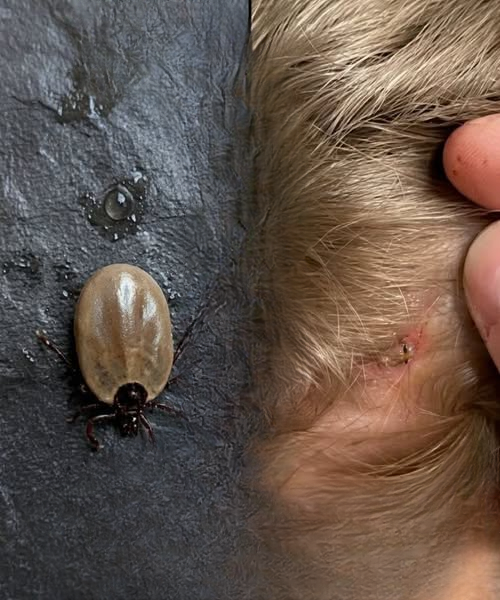
Few things make a parent’s stomach drop faster than spotting a tick in their child’s hair.
At first glance, it can feel terrifying. Ticks are tiny, stubborn, and often difficult to spot until they’ve already attached themselves to the skin. And because people associate ticks with illnesses like Lyme disease, fear tends to take over quickly.
But the most important thing you can do in that moment is stay calm.
Finding a tick does not automatically mean your child is sick or in danger. In many cases, quick and proper removal greatly reduces the risk of complications.
Here’s what parents should know if they discover an unwanted “guest” hiding in their child’s hair.
First: Don’t Panic
Children pick up ticks more often than many parents realize, especially after:
- Playing in tall grass
- Hiking wooded trails
- Camping
- Spending time around pets
- Playing in leaf piles or fields
Ticks are extremely common in many areas during warmer months.
While some ticks can carry diseases, transmission usually takes time. Removing the tick promptly is one of the most important protective steps you can take.
How to Remove a Tick Safely
The safest way to remove a tick is with fine-tipped tweezers.
Here’s the recommended method:
- Part the hair carefully so you can clearly see the tick
- Grab the tick as close to the skin as possible
- Pull upward slowly and steadily
- Avoid twisting, crushing, or jerking the tick
The goal is to remove the entire tick, including the mouthparts.
Do not:
- Burn it with a match
- Cover it in petroleum jelly
- Use nail polish or chemicals
- Squeeze the body of the tick
Those methods can actually increase irritation and may cause the tick to release more saliva into the skin.
Clean the Area Thoroughly
Once the tick is removed:
- Wash the area with soap and water
- Use rubbing alcohol or antiseptic if available
- Wash your hands carefully
Some people choose to save the tick in a sealed container or plastic bag in case symptoms develop later and identification becomes necessary.
Watch for Symptoms Over the Next Few Weeks
Most tick bites do not lead to illness.
Still, it is important to monitor your child afterward.
Contact a healthcare provider if your child develops:
- Fever
- Fatigue
- Headaches
- Muscle aches
- Swollen lymph nodes
- Rash or expanding redness around the bite
One symptom many people recognize is the “bullseye” rash sometimes associated with Lyme disease, though not every case presents that way.
Why Hair Makes Ticks Harder to Notice
Ticks often hide in warm, protected areas of the body, including:
- The scalp
- Behind the ears
- Along the neckline
- Under the arms
- Around the waist
In children, thick hair can make them especially difficult to spot quickly.
That’s why checking the scalp after outdoor activities is important, especially during spring and summer.
Prevention Matters More Than Fear
The good news is there are simple ways to reduce the risk of tick bites significantly.
Helpful prevention steps include:
- Wearing long sleeves and pants outdoors
- Using child-safe insect repellents
- Tucking pants into socks during hikes
- Performing full-body tick checks after outdoor play
- Checking pets regularly
- Showering after spending time in wooded or grassy areas
Even a quick scalp check before bedtime can make a huge difference.
Staying Calm Helps Your Child Stay Calm
Children often react based on the emotions they see from adults.
If a parent panics, the child usually becomes frightened too.
Speaking calmly, moving slowly, and treating the situation like a manageable problem can help keep everyone relaxed while you remove the tick safely.
Most importantly, remember this:
A tick bite is something to take seriously — not something to panic over.
Quick action, proper removal, and careful monitoring are usually enough to handle the situation safely and confidently.
Common Mistakes Parents Make During Tick Removal
When parents discover a tick, fear and urgency can sometimes lead to mistakes that make the situation worse.
One of the biggest mistakes is trying to remove the tick too quickly without proper tools. Pulling with fingers alone often causes the tick to break apart, leaving pieces embedded in the skin. While this usually does not cause serious harm, it can increase irritation and make the area harder to clean properly.
Another common mistake is crushing the tick after removal. It is best to avoid direct contact because ticks can carry bacteria or other pathogens. If you need to dispose of it, place it in rubbing alcohol, seal it inside a bag, or flush it down the toilet.
Parents should also avoid obsessively checking the bite every hour afterward. Mild redness and irritation are common after any bug bite and do not automatically mean infection or disease.
What matters most is watching for changes over time.
Why Early Detection Makes a Difference
One reason tick awareness matters is because many tick-borne illnesses become easier to treat when caught early.
The sooner symptoms are recognized, the faster medical care can begin if needed.
That said, it is equally important not to assume the worst immediately. Most tick bites never result in serious illness. Many ticks are removed long before any disease transmission occurs.
Understanding this balance helps parents stay alert without becoming overwhelmed by anxiety.
Teaching Kids Outdoor Safety Without Fear
Children should still enjoy nature, parks, hiking trails, and outdoor adventures. The goal is not to make them afraid of playing outside.
Instead, parents can teach simple habits that become part of normal routines.
For example:
- Checking clothes after outdoor play
- Wearing hats in wooded areas
- Telling an adult if something feels itchy or unusual
- Taking showers after camping or hiking
When children learn these habits early, tick prevention becomes just another part of staying healthy outdoors.
Pets Can Bring Ticks Inside Too
Even if children have not been playing in tall grass directly, pets can carry ticks into the home unnoticed.
Dogs especially can pick up ticks during walks, backyard play, or trips to parks and wooded areas. Once inside, ticks may move onto furniture, blankets, or carpets before eventually attaching to a person.
Regular pet grooming and veterinarian-approved tick prevention products can help reduce this risk significantly.
Checking pets after outdoor activities is just as important as checking children.
The Emotional Side Parents Rarely Talk About
Many parents feel guilty after finding a tick on their child.
They wonder if they missed something or failed to protect them properly.
But ticks are incredibly small and easy to overlook. Even careful, attentive parents sometimes discover them hours later.
Finding one does not mean you were careless.
What matters most is how you respond afterward.
Calm action, proper removal, and monitoring are what truly protect your child.
When to Seek Medical Advice Immediately
While most situations remain manageable at home, certain symptoms deserve immediate medical attention.
Call a healthcare provider right away if your child experiences:
- Trouble breathing
- Severe swelling
- High fever
- Extreme fatigue
- Confusion
- Difficulty walking
- Rapidly spreading rash
These symptoms are uncommon, but they should never be ignored.
A Small Habit That Brings Peace of Mind
For many families, simple nightly tick checks become part of life during warmer seasons.
Checking behind the ears, along the scalp, around the waistline, and behind the knees only takes a few minutes. Yet those few minutes can provide enormous peace of mind.
In the end, staying calm is one of the most powerful things a parent can do.
Because when fear takes over, clear thinking disappears.
And in moments like these, calm attention—not panic—is what keeps children safest.