Cleaning the oven is one of those household chores that many people postpone for as long as possible. Grease splatters, baked-on food, and lingering cooking odors can accumulate over time, making the task seem overwhelming.
While commercial oven cleaners can be effective, they often contain strong chemicals that require careful handling, good ventilation, and extra precautions around children and pets. Fortunately, there is a simpler alternative that relies on heat, steam, and common household supplies.
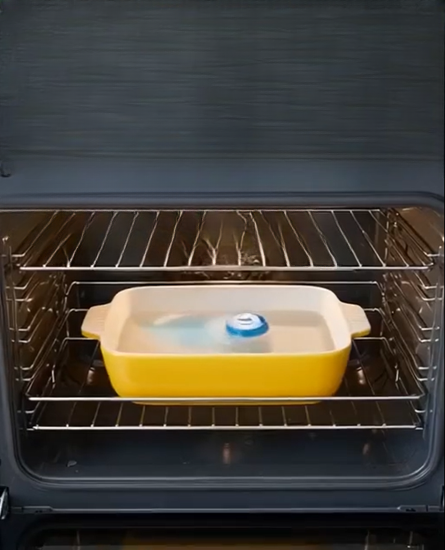
Using a combination of water, a dishwasher pod, and an oven-safe dish, you can help loosen stubborn residue and make routine oven cleaning much easier—without relying on harsh cleaning products.
Why Oven Cleaning Becomes So Difficult
Every time food cooks, tiny particles of grease, oil, and moisture circulate inside the oven.
Over time, these particles settle on interior surfaces. Food spills and splatters become baked onto the walls, floor, and racks as they are repeatedly exposed to high temperatures.
As residue accumulates, it can become harder to remove. It may also contribute to unpleasant odors when the oven is heated.
Traditional cleaning products are designed to break down these deposits quickly, but many people prefer gentler approaches that minimize chemical exposure while still delivering effective results.
How Steam Helps Loosen Buildup
Steam cleaning works by using heat and moisture to soften hardened residue.
When water heats inside the oven, it produces steam that spreads throughout the appliance. This moisture helps loosen grease and baked-on food particles, making them easier to wipe away.
Adding a dishwasher pod introduces cleaning agents designed to break down fats and food residue. As the pod dissolves, its ingredients combine with the steam to help lift stubborn buildup from oven surfaces.
The result is a cleaning process that requires less scrubbing and significantly less effort.
What You’ll Need
Before getting started, gather the following items:
- An oven-safe baking dish or casserole dish
- Water
- One dishwasher pod
- A soft cloth or sponge
- A non-abrasive brush (optional)
These simple supplies are often already available in most kitchens.
Step 1: Preheat the Oven
Begin by setting your oven to a low temperature of approximately 200°F (93°C).
This temperature is warm enough to create consistent steam while remaining much gentler than the extremely high temperatures used during self-cleaning cycles.
Allow the oven to fully preheat before moving to the next step.
Step 2: Prepare the Steam Solution
Fill an oven-safe dish with one to two inches of water.
Place a dishwasher pod into the water and allow it to begin dissolving. A gentle stir can help distribute the cleaning agents throughout the solution.
There is no need to use additional cleaners or ingredients.
The combination of water, steam, and mild detergent is typically sufficient for routine cleaning.
Step 3: Let Steam Do the Work
Carefully place the dish on the center rack of the preheated oven.
Close the oven door and allow the solution to heat for approximately one hour.
During this time, steam will circulate throughout the oven interior, softening grease, food residue, and baked-on grime.
For best results, avoid opening the door frequently, as doing so allows steam to escape and reduces the effectiveness of the process.
Step 4: Allow the Oven to Cool
After about 60 minutes, turn off the oven and allow it to cool gradually.
This step is important for both safety and cleaning effectiveness.
Once the oven is cool enough to touch comfortably, open the door carefully.
At this stage, you may notice that residue appears softened and easier to remove.
Step 5: Wipe Away Loosened Grime
Using a damp cloth or sponge, wipe down the oven walls, floor, interior door, and other accessible surfaces.
Most softened residue should lift away with minimal effort.
For stubborn areas, a soft brush or non-abrasive scrubber can help remove remaining buildup without damaging the oven’s finish.
If necessary, the process can be repeated for heavily soiled ovens.
Multiple gentle cleaning sessions are often more effective than aggressive scrubbing.
Cleaning the Oven Racks
Oven racks can benefit from a similar treatment.
Remove the racks and place them in a sink, utility tub, or large container filled with hot water.
Add a dishwasher pod and allow the racks to soak for 30 to 60 minutes.
After soaking, wipe away loosened grease and residue before rinsing and drying thoroughly.
Once completely dry, return the racks to the oven.
Freshen the Interior Naturally
For those who enjoy a fresh scent after cleaning, a simple finishing touch can help.
A cut lemon can be rubbed lightly across oven surfaces after cleaning. Some people also prefer using mild citrus-based cleaners designed for household use.
This optional step may help reduce lingering odors while leaving the oven smelling clean and refreshed.
Afterward, leave the oven door open briefly to allow any remaining moisture to evaporate.
Advantages Over Self-Cleaning Cycles
Many modern ovens include built-in self-cleaning functions that use extremely high temperatures to burn away food residue.
While effective, these cycles can sometimes produce:
- Strong odors
- Smoke
- Excessive heat
- Increased energy use
In some cases, older appliances may experience additional strain during prolonged high-temperature cleaning cycles.
By comparison, the steam-cleaning method operates at a much lower temperature and offers several benefits:
- Reduced energy consumption
- Less heat in the kitchen
- Fewer odors
- No harsh chemical cleaners
- Greater comfort during the cleaning process
For many households, it provides a practical alternative for routine maintenance.
Tips for Keeping Your Oven Cleaner Longer
Regular maintenance can significantly reduce the need for deep cleaning.
Helpful habits include:
Clean Spills Promptly
Wiping up fresh spills before they harden can prevent future buildup.
Use Oven Liners or Drip Trays
Protective liners can catch food drips and grease before they reach oven surfaces.
Cover Foods When Appropriate
Using lids or covers during cooking may help reduce splatter.
Perform Monthly Steam Cleaning
A quick steam-cleaning session once each month can help prevent heavy accumulation from developing.
Check Door Seals
Keeping door gaskets and seals clean supports efficient oven performance and helps reduce grease buildup around the edges.
A Simple and Practical Cleaning Solution
One of the greatest advantages of this steam-cleaning method is its simplicity.
It requires no specialized tools, expensive products, or complicated techniques. Instead, it relies on a straightforward combination of heat, moisture, and gentle cleaning agents to loosen residue and make maintenance easier.
Because much of the work is done by steam rather than scrubbing, the process can feel far less demanding than traditional oven cleaning methods.
With occasional upkeep and a few preventative habits, keeping an oven clean becomes much more manageable.
In the end, maintaining a fresh and efficient oven doesn’t have to involve harsh chemicals or exhausting effort. Sometimes the most effective solutions are also the simplest—using everyday household items to make one of the most dreaded cleaning tasks easier, safer, and more convenient.