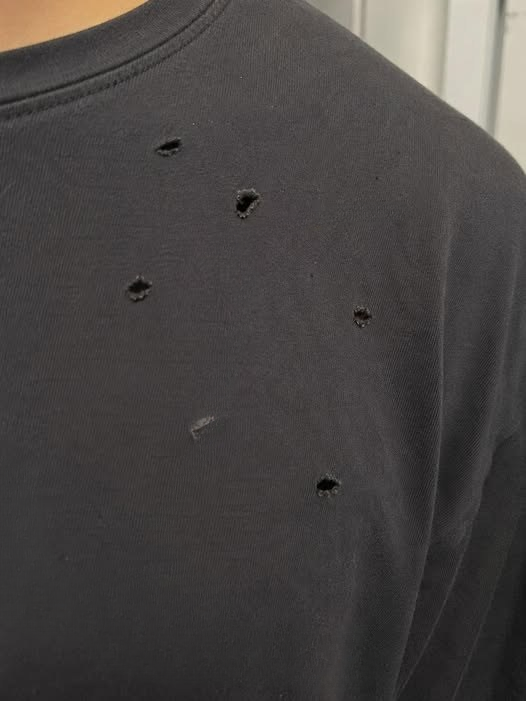
It often starts with a tiny hole.
Maybe it appears near the bottom of a favorite T-shirt, along a seam, or around the waistline. At first, it’s easy to dismiss. Many people assume the fabric is low quality, the garment is simply wearing out, or the damage is just bad luck.
But when the same problem keeps appearing on multiple items, it becomes harder to ignore.
If you’ve noticed mysterious holes showing up in shirts, pajamas, leggings, or other lightweight clothing, the cause may not be the clothing itself. In many cases, everyday laundry habits are quietly damaging fabrics over time, weakening fibers until small tears begin to appear.
The good news is that once you understand what causes the problem, it’s often surprisingly easy to prevent.
Why Small Holes Keep Appearing
Tiny holes in clothing are one of the most common complaints among people who regularly wash lightweight fabrics. Cotton T-shirts, athletic wear, sleepwear, and knit garments are especially vulnerable.
The damage usually appears in similar places:
- Near the lower front of shirts
- Around waistlines
- Along seams
- Near hems
- In areas exposed to repeated friction
Because the damage develops gradually, many people never connect it to a specific cause. However, textile specialists often point to one main issue: repeated stress on fabric fibers.
Every wash and dry cycle exposes clothing to movement, twisting, rubbing, stretching, and heat. Over time, these forces weaken delicate materials until holes begin to form.
Your Washing Machine May Be Contributing
One of the most overlooked causes of clothing damage is excessive agitation during washing.
In many top-loading machines, a central agitator moves clothing through the wash cycle by twisting and pulling fabrics through water and detergent. While effective for cleaning, this process can be rough on delicate garments.
Lightweight items may become tightly wrapped around the agitator or pressed against moving parts during the cycle. Repeated exposure can slowly weaken fibers and create stress points that eventually develop into holes.
Older washing machines can be particularly hard on clothing because they often use stronger agitation and more aggressive spinning motions.
Zippers and Buttons Cause More Damage Than Most People Realize
Another common source of fabric damage comes from items washed together in the same load.
Metal zippers, jean buttons, rivets, hooks, and belt buckles may seem harmless, but during a wash cycle they repeatedly scrape against softer fabrics.
As the machine spins, these hard surfaces rub against delicate clothing over and over again. The damage may not be visible immediately, but after dozens of wash cycles, weakened fibers can begin to tear.
This is especially common when washing:
- T-shirts with jeans
- Lightweight tops with jackets
- Athletic wear with denim
- Delicate sleepwear with heavier clothing
What seems like a small amount of friction can add up significantly over time.
Overloading the Washer Creates Extra Stress
Many people try to fit as much laundry as possible into a single load. While this may save time, it can increase wear on clothing.
When a washing machine is packed too tightly:
- Clothes cannot move freely
- Fabrics rub together more aggressively
- Twisting and stretching increase
- Water and detergent circulate less effectively
An overloaded machine forces garments into constant contact with one another, accelerating fabric breakdown and increasing the likelihood of tears.
Ironically, trying to wash more clothes at once can shorten the lifespan of those clothes.
The Dryer Can Make Existing Damage Worse
While washing often starts the problem, drying frequently finishes it.
High heat gradually weakens fabric fibers, especially in cotton and lightweight materials. Once fibers become brittle, even minor friction can create noticeable holes.
Dryers can also worsen damage caused by:
- Open zippers
- Bra hooks
- Velcro fasteners
- Decorative hardware
- Rough seams
The combination of heat and constant tumbling places additional stress on already weakened fabrics.
Over time, garments lose strength and become more vulnerable to tearing.
Simple Changes That Can Protect Your Clothes
Fortunately, preventing this type of damage usually doesn’t require expensive products or major lifestyle changes.
A few small adjustments can significantly extend the life of your clothing.
Turn Garments Inside Out
Washing clothes inside out helps protect the outer surface from direct friction. The inside of the garment absorbs most of the wear, helping preserve the visible fabric.
Close All Zippers
Before placing clothing in the washer, zip jackets, hoodies, jeans, and pants completely.
Open zippers can act like tiny scraping tools during the wash cycle.
Use Mesh Laundry Bags
Mesh laundry bags provide an extra layer of protection for delicate items.
They’re especially useful for:
- Lightweight shirts
- Undergarments
- Athletic wear
- Knit fabrics
- Sleepwear
These bags reduce twisting, snagging, and abrasion.
Avoid Overloading the Machine
A washer should have enough room for clothing to move comfortably during the cycle.
Smaller loads generally result in:
- Better cleaning
- Less friction
- Reduced stretching
- Longer garment life
Separate Heavy and Lightweight Fabrics
Try to wash delicate clothing separately from heavier items such as:
- Jeans
- Towels
- Sweatshirts
- Hoodies
- Heavy jackets
This simple habit can dramatically reduce fabric wear.
Lower Dryer Temperatures
Whenever possible, use medium or low heat settings.
For particularly delicate items, air drying can help preserve fabric strength and reduce long-term damage.
Inspect Your Machine
Occasionally check your washer and dryer for rough surfaces or defects.
Look for:
- Sharp edges
- Cracks
- Loose plastic pieces
- Exposed metal
- Damaged drum components
Even a small imperfection can repeatedly snag clothing over hundreds of cycles.
Why This Problem Is So Common
Part of what makes these mysterious holes so frustrating is that the damage rarely happens all at once.
Most people never witness the process. They simply discover another ruined shirt and assume it’s unavoidable.
In reality, the problem often results from countless small stresses accumulating over time.
A zipper rubbing against cotton. An overloaded machine. Excessive heat. Rough agitation.
Individually, these factors seem insignificant. Together, they can shorten the life of clothing far more quickly than expected.
Final Thoughts
Tiny holes in clothing are usually not random.
They are often the result of repeated friction, heavy loads, aggressive washing, high heat, and everyday wear inside the laundry room.
Fortunately, a few simple habits can make a noticeable difference. Turning garments inside out, separating heavy fabrics, using mesh bags, avoiding overloaded loads, and lowering dryer temperatures can help protect your favorite clothing and extend its lifespan.
Sometimes the solution to a frustrating problem isn’t replacing your wardrobe—it’s making a few small changes to the way you care for it.