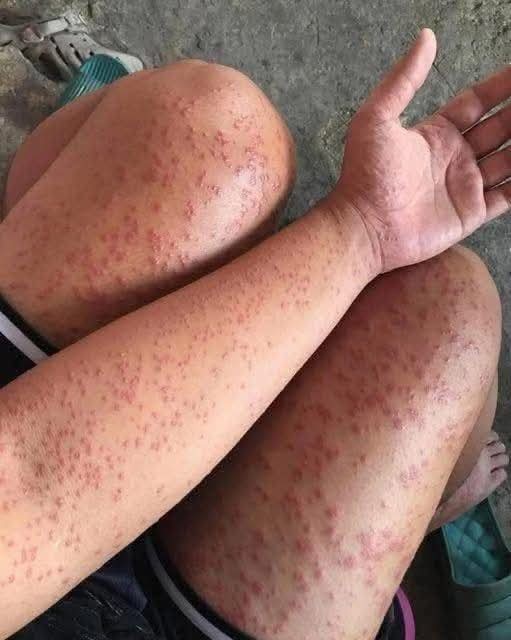
Most people experience skin irritation at some point in their lives.
A sudden rash after trying a new soap. Itchy patches caused by dry weather. Redness from a detergent, fabric, plant, or insect bite. Because these reactions are so common, many people view them as minor inconveniences that disappear on their own after a few days.
In many cases, that assumption is correct.
However, there are situations in which skin changes can serve as an important warning sign that something more significant is happening inside the body.
The skin is not simply an outer covering. It is a complex organ that works closely with the immune system and often provides visible clues about internal health. While some skin reactions are harmless and temporary, others can indicate an immune response that requires immediate attention.
Understanding the difference can be critical.
Why Skin Reactions Occur
The human immune system is designed to identify and respond to potential threats. When it encounters something it perceives as harmful—whether it is a food, medication, insect venom, chemical substance, or environmental trigger—it may release various inflammatory chemicals.
One of the most important of these chemicals is histamine.
Histamine plays a major role in allergic reactions. When released, it can cause blood vessels to widen, increase fluid leakage into tissues, and stimulate nerve endings that create itching sensations.
The result may be visible changes on the skin, including redness, swelling, itching, or raised welts.
These reactions often appear suddenly and may spread rapidly.
For many people, the symptoms remain limited to the skin and resolve without serious complications.
But not always.
Understanding Hives
One of the most common allergic skin reactions is urticaria, more commonly known as hives.
Hives are raised, itchy welts that can appear anywhere on the body. They often vary in size, from small spots to large patches that merge together.
What makes hives distinctive is their ability to change rapidly.
A cluster of welts may appear on one area of the body, disappear within hours, and then reappear somewhere else.
The lesions often look alarming but are frequently harmless.
Common triggers include:
- Foods such as nuts, shellfish, eggs, or dairy
- Certain medications
- Insect stings or bites
- Viral infections
- Environmental allergens
- Physical triggers such as heat, cold, pressure, or exercise
Many cases resolve with simple treatment or avoidance of the triggering factor.
However, hives become much more significant when they occur alongside symptoms affecting other body systems.
When a Skin Reaction Becomes an Emergency
The skin can sometimes provide the first visible clue that a severe allergic reaction is developing.
Medical professionals pay close attention to symptoms that extend beyond the skin because they may indicate a condition known as anaphylaxis.
Anaphylaxis is a severe, potentially life-threatening allergic reaction that affects multiple organ systems simultaneously.
Unlike a localized rash or mild allergy, anaphylaxis can progress very quickly.
Sometimes symptoms develop within minutes of exposure to a trigger.
In severe cases, the reaction can rapidly interfere with breathing, circulation, and normal organ function.
This is why recognizing early warning signs is so important.
Warning Signs That Require Immediate Attention
When hives or other skin reactions occur together with any of the following symptoms, emergency medical care should be sought immediately:
Difficulty Breathing
Shortness of breath is one of the most serious warning signs.
Inflammation can affect the airways, making breathing increasingly difficult.
Individuals may feel as though they cannot get enough air or may experience rapid breathing and panic.
Wheezing
Wheezing occurs when narrowed airways create a whistling sound during breathing.
This can indicate airway involvement and should never be ignored during an allergic reaction.
Swelling of the Lips, Tongue, or Throat
Swelling in these areas can become dangerous because it may obstruct airflow.
Even mild swelling can worsen rapidly.
Throat Tightness
Some people describe the sensation as having a lump in the throat or feeling as though their throat is closing.
This symptom requires immediate evaluation.
Dizziness or Fainting
Anaphylaxis can cause a sudden drop in blood pressure.
As circulation becomes impaired, dizziness, weakness, confusion, or loss of consciousness may occur.
Rapid Heart Rate
The cardiovascular system often responds to severe allergic reactions, causing the heart to beat faster in an attempt to maintain blood flow.
Severe Anxiety or Sense of Doom
Interestingly, many people experiencing anaphylaxis report a sudden feeling that something is seriously wrong.
This sensation may occur before other symptoms become obvious.
Common Triggers of Severe Allergic Reactions
Anaphylaxis can occur after exposure to a wide variety of substances.
Some of the most common triggers include:
Food Allergies
Foods responsible for many severe allergic reactions include:
- Peanuts
- Tree nuts
- Shellfish
- Fish
- Milk
- Eggs
- Wheat
- Soy
Even trace amounts can trigger severe reactions in highly sensitive individuals.
Medications
Certain medications can cause allergic responses, including:
- Antibiotics
- Pain medications
- Anesthesia drugs
- Contrast dyes used in imaging procedures
Insect Stings
Bee, wasp, hornet, and fire ant stings are among the most common causes of severe allergic reactions.
Latex
Some individuals experience serious reactions to natural rubber latex found in medical and household products.
Environmental Exposures
Though less common, certain environmental substances can also trigger severe allergic responses.
Why Previous Exposure Doesn’t Guarantee Safety
One of the most misunderstood aspects of allergic reactions is the belief that prior safe exposure eliminates future risk.
Unfortunately, this is not always true.
A person may consume a food or encounter a substance many times without issue and then suddenly develop an allergic reaction.
The immune system can change over time.
Sensitization may occur gradually, meaning that a reaction can happen unexpectedly after years of harmless exposure.
For this reason, individuals should never assume they are immune to allergic reactions simply because they have tolerated something in the past.
Emergency Treatment Saves Lives
When anaphylaxis occurs, immediate treatment is essential.
The primary emergency medication is epinephrine.
Epinephrine works by:
- Opening airways
- Raising blood pressure
- Reducing swelling
- Counteracting many of the dangerous effects of the allergic reaction
People with known severe allergies are often prescribed epinephrine auto-injectors for emergency use.
However, even after epinephrine is administered, emergency medical evaluation remains necessary because symptoms can return.
Medical professionals may also provide:
- Oxygen therapy
- Intravenous fluids
- Antihistamines
- Corticosteroids
- Additional monitoring
Prompt treatment significantly improves outcomes.
Prevention and Awareness
While not all allergic reactions can be prevented, awareness plays a major role in reducing risk.
Helpful steps include:
- Knowing personal allergy triggers
- Reading food labels carefully
- Informing healthcare providers about allergies
- Carrying prescribed emergency medications
- Wearing medical alert identification when appropriate
- Educating family members and caregivers
Individuals with known severe allergies should also have an emergency action plan in place.
Listening to Your Body
The most important lesson is that the body often provides warning signs before a serious problem develops.
A rash, swelling, or hives may seem minor at first glance, but when accompanied by breathing difficulties or systemic symptoms, they can signal a medical emergency.
Understanding these signs can make the difference between a manageable situation and a life-threatening one.
Most skin reactions are harmless.
Many disappear without treatment.
But some serve as important alerts that should never be ignored.
Recognizing when a skin reaction is more than “just a rash” empowers people to seek help quickly and protect their health.
The skin is often the body’s first messenger.
Paying attention to what it is trying to communicate may save a life.