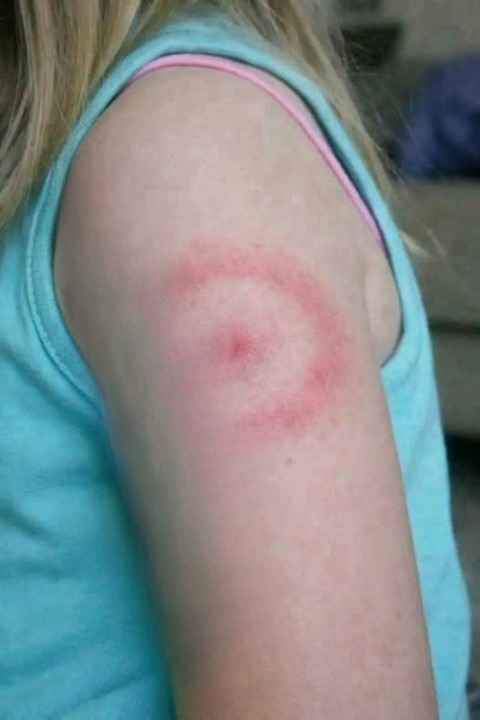
Noticing an unfamiliar red ring on your child’s skin can be worrying. You may wonder whether it is a simple insect bite, a minor skin irritation, or something that needs medical attention.
When it comes to your child’s health, uncertainty can make even a small change feel significant. The most helpful response is to stay calm, observe the symptoms, and recognize when professional advice may be necessary.
Looking Beyond the Appearance
A circular or ring-shaped rash can develop for several reasons. Insect bites, skin irritation, fungal infections, and certain other skin conditions can produce redness or changes in the skin’s appearance.
One possibility parents may hear about is Lyme disease, an infection transmitted through certain infected ticks. Its characteristic rash, called erythema migrans, often gradually expands and may appear days after a tick bite. It does not always resemble a classic bull’s-eye, and not everyone develops a noticeable rash.
However, a red ring alone cannot establish the cause. The rash’s appearance, how quickly it changes, possible exposure to ticks, and any accompanying symptoms all matter.
What Parents Can Do
If you notice an unusual rash, take a clear photograph and note when it first appeared. If the rash changes, another photograph may help document its development.
Avoid relying solely on drawing a border around the rash or comparing pictures online to determine whether it is harmless. These observations can be useful, but they cannot replace a medical assessment.
Contact a healthcare professional promptly if the rash is expanding, follows a possible tick bite, or occurs alongside fever, headache, unusual tiredness, or muscle and joint aches.
Seek emergency medical care if your child has difficulty breathing, swelling of the lips or tongue, confusion, severe headache with a stiff neck, or appears seriously unwell. A rash that does not fade when pressed, particularly when accompanied by fever or illness, also requires urgent assessment.
Helping Your Child Feel Safe
Children often look to their parents for reassurance when something unexpected happens. Speaking calmly, explaining that you are checking what is happening, and seeking appropriate advice can help them feel supported.
You do not need to identify the rash yourself or anticipate every possible outcome. Your role is to notice changes, respond to warning signs, and obtain medical guidance when needed.
When in Doubt, Ask for Help
Many childhood rashes have manageable causes, but some require timely treatment. If you are concerned about a new or changing rash, particularly one that may be associated with tick exposure, contact a qualified healthcare professional rather than waiting for it to disappear.
Staying observant without jumping to conclusions helps you make informed decisions. When it comes to your child’s health, calm attention and timely medical advice are far more valuable than fear or guesswork.