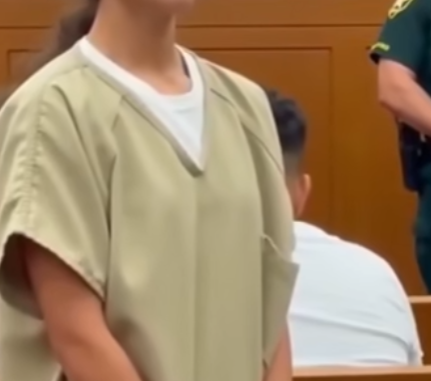
Introduction: A Case That Continues to Raise Difficult Questions
The case of Aileen Wuornos remains one of the most widely discussed criminal cases in modern American history. Her life, the murders for which she was convicted, and the circumstances surrounding her execution have generated decades of public debate. For some observers, Wuornos represents a convicted serial killer who must be held accountable for the lives lost. For others, her background raises difficult questions about childhood trauma, social neglect, mental health, and the challenges of delivering justice in complicated circumstances.
Wuornos became nationally known after investigators connected her to a series of fatal shootings in Florida between 1989 and 1990. The victims were men she had encountered while working along the state’s highways. During the investigation and subsequent court proceedings, Wuornos maintained that she had acted in self-defense in at least some of the encounters. Prosecutors, however, argued that the evidence supported a different explanation, presenting the killings as criminal acts associated with robbery.
The case attracted attention not only because of the number of victims but also because Wuornos was a woman accused of committing multiple murders in circumstances that challenged common assumptions about violent crime. Her background, statements, courtroom behavior, and eventual execution became subjects of extensive media coverage.
Over time, the case moved beyond the courtroom and entered popular culture through documentaries, books, television programs, and the acclaimed film Monster. These portrayals introduced her story to audiences who might otherwise have known little about the investigation or its legal consequences.
Yet the lasting significance of the Wuornos case is not simply that it involved a series of serious crimes. It also illustrates how criminal responsibility, personal history, victim recognition, and public perceptions of justice can intersect. Understanding the case requires separating established facts from disputed claims while recognizing that the lives of the victims remain central to the story.
An Unstable Childhood and Early Life
Aileen Carol Wuornos was born on February 29, 1956, in Rochester, Michigan. Her early life was marked by family instability and circumstances that later became important subjects of discussion. Her parents separated before she was born, and her father was absent from much of her upbringing. Her mother also left her children in the care of relatives when Wuornos was very young.
Wuornos and her brother grew up primarily with their maternal grandparents. Accounts of her childhood describe a difficult home environment, with reports of emotional instability, neglect, and abuse. Some details of her early experiences have been discussed extensively in biographies and documentaries, although individual accounts vary and should be treated with appropriate care.
These early circumstances are relevant to understanding her personal history, but they do not provide a complete explanation for the crimes she later committed. Many people experience severe childhood adversity without becoming violent offenders. For that reason, examining Wuornos’s background should not be confused with suggesting that her later actions were inevitable.
Her childhood nevertheless became an important part of the public discussion surrounding the case. Journalists, legal observers, and filmmakers frequently examined whether her experiences had affected her relationships, her ability to trust others, and the decisions she made as an adult.
Her early life also raises broader questions about the support available to vulnerable children. Stable caregiving, access to education, safe housing, and appropriate intervention can make a meaningful difference in a child’s development. When those supports are absent, a young person may face additional challenges while navigating adolescence and adulthood.
These broader issues provide context for Wuornos’s story, but they should not overshadow the people who later became victims of her crimes. A balanced account must acknowledge both her personal history and the consequences of her actions.