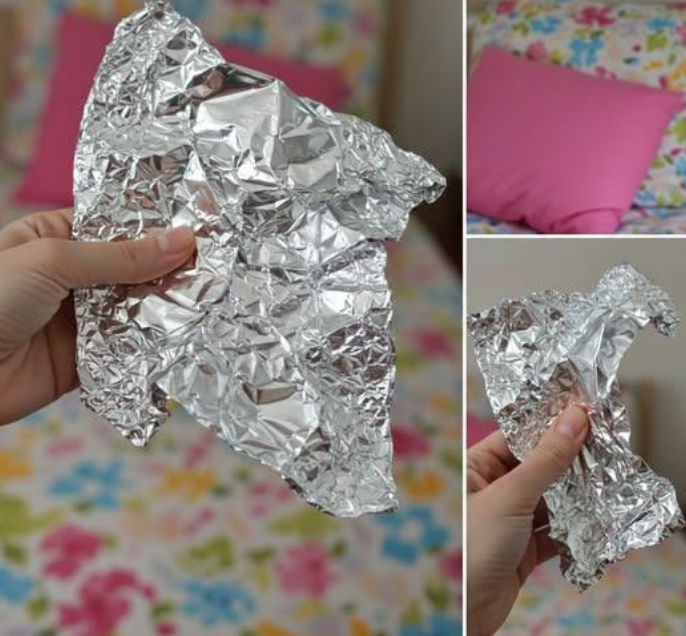
In the world of holistic wellness, unusual practices often attract attention because they promise a simple way to feel calmer, sleep better, or escape the pressures of modern life. From walking barefoot outdoors to creating quiet spaces away from electronic devices, people continue to explore different ways to improve their sense of well-being.
One unusual trend involves using ordinary aluminum foil as part of a relaxation ritual. Supporters sometimes connect the practice to ideas about grounding, electromagnetic exposure, and the body’s response to its surroundings.
But does aluminum foil actually provide health benefits, or is the experience better explained by relaxation, expectation, and taking a break from daily distractions?
Understanding the difference between a wellness ritual and a scientifically supported treatment can help people make informed decisions without overlooking simple habits that genuinely support well-being.
What Is the Aluminum Foil Wellness Trend?
Some alternative wellness discussions describe wrapping or placing aluminum foil around parts of the body for a short period. The practice is sometimes presented as a way to reduce exposure to electromagnetic fields or help the body feel more balanced.
Descriptions vary, but the general idea involves sitting quietly, limiting distractions, and using foil as part of a brief personal ritual.
There is currently no reliable scientific evidence establishing that placing household aluminum foil on the soles of the feet, palms, or neck removes harmful electrical energy from the body, resets the nervous system, or treats anxiety and fatigue.
That distinction matters because an activity can feel relaxing without working for the reason its supporters suggest.
A quiet room, a comfortable position, and a few minutes without notifications may help someone feel less distracted. Those effects do not demonstrate that aluminum foil is responsible for the improvement.
Understanding Electromagnetic Fields
Electromagnetic fields are part of the natural world and are also produced by many technologies used in everyday life.
Power lines, electrical appliances, mobile phones, Wi-Fi equipment, and radio transmitters can all produce electromagnetic fields. Their characteristics vary depending on the source, frequency, distance, and amount of energy involved.
The presence of an electromagnetic field does not automatically mean that it is dangerous. Scientists evaluate exposure by considering the type of field, its intensity, and the biological effects associated with particular exposure levels.
Radiofrequency signals used by wireless communication systems are classified as non-ionizing radiation. Unlike X-rays, they do not have enough energy per photon to directly ionize atoms or molecules.
This does not mean every possible exposure is harmless under every circumstance. Very intense radiofrequency exposure can heat tissue, which is why established exposure limits and safety standards exist. However, ordinary exposure from compliant consumer devices is evaluated differently from exposure to powerful industrial or medical equipment.
Claims that everyday Wi-Fi signals or mobile networks routinely overwhelm the body with harmful electrical energy are not supported by strong scientific evidence.
Can Aluminum Foil Block Electromagnetic Fields?
Aluminum is electrically conductive, and conductive materials can reflect or reduce certain electromagnetic signals under appropriate conditions.
This is the principle behind some forms of electromagnetic shielding. However, the degree of shielding depends on several factors, including the signal’s frequency, the material’s thickness, its continuity, and the design of the shield.
A small piece of household foil placed against the skin is not a proven method of protecting the entire body from electromagnetic exposure. It also cannot be assumed to block all signals from surrounding devices.
Shielding a particular electronic component or enclosure is very different from wrapping a person’s feet or hands in foil.
There is also no established medical mechanism showing that aluminum foil placed on the body draws out accumulated electrical energy or removes a substance responsible for everyday fatigue.
People concerned about electromagnetic exposure can consult reliable public-health guidance and use electronic devices according to manufacturers’ instructions. They do not need to rely on unsupported claims about bodily electrical cleansing.
Why Might Someone Feel Calmer During the Ritual?
Although the proposed electrical explanation is unproven, people may genuinely experience relaxation during an unusual wellness practice.
Several ordinary factors could contribute to that experience.
Taking a break from stimulation
Modern life can involve frequent messages, work demands, news updates, and constant switching between tasks. Setting aside a few quiet minutes can provide a welcome pause.
If someone turns off notifications, moves away from a busy environment, and sits comfortably, they may feel less distracted.
That benefit can occur without aluminum foil playing any special role.
Paying attention to the body
A deliberate ritual can encourage people to slow down and notice how they feel. Sitting still, breathing comfortably, and allowing thoughts to pass without immediately reacting to them may help some individuals feel more settled.
Similar experiences can occur during meditation, gentle stretching, or quiet reflection.
The influence of expectations
Expectations can affect how people interpret sensations. When someone believes a particular activity will help them relax, they may pay closer attention to changes in tension, warmth, or mood.
This does not mean that the experience is imaginary. It means that feeling better after an activity does not, by itself, prove the proposed explanation for why it worked.
To determine whether foil has a specific physiological effect, researchers would need controlled studies comparing the practice with suitable alternatives and measuring clearly defined outcomes.
What Does Science Say About Grounding?
Grounding, sometimes called earthing in alternative wellness circles, generally refers to direct physical contact with the Earth’s surface, such as walking barefoot on grass or soil.
Supporters claim that this contact can influence inflammation, sleep, stress, and other aspects of health. Some small studies have explored related questions, but the overall evidence remains limited, and many broad health claims have not been established by high-quality research.
Aluminum foil placed between the body and the ground is not the same thing as direct contact with the Earth’s surface. Nor does the use of foil establish that an electrical process has occurred that improves health.
Walking barefoot outdoors may still be enjoyable for people who can do so safely. It can offer an opportunity to spend time in nature, move gently, and take a break from screens.
However, people should consider hazards such as sharp objects, hot surfaces, contaminated soil, and uneven ground. Anyone with reduced sensation in their feet or circulation problems should take particular care and seek appropriate medical guidance.
The simplest explanation for feeling refreshed after time outdoors may be the combination of movement, fresh air, and a change of environment—not a special electrical transfer.
Practical Ways to Support Relaxation
People who are interested in the calming side of holistic wellness have several options that do not depend on unverified treatments.
Create a short screen-free break. Put your phone aside, silence nonessential notifications, and spend a few minutes in a comfortable environment.
Try gentle breathing. Breathe slowly and comfortably without forcing deep breaths or holding your breath for long periods. Stop if you feel dizzy or uncomfortable.
Spend time outdoors. A walk in a park or time in a garden can provide a change of scenery and an opportunity for gentle physical activity.
Maintain a consistent sleep routine. Going to bed and waking up at roughly similar times may help support healthy sleep patterns.
Move regularly. Walking, stretching, and other activities suited to your abilities can support physical and emotional well-being.
Make time for enjoyable activities. Listening to music, reading, speaking with friends, or pursuing a hobby can help create balance in a demanding routine.
These approaches are not instant cures, and their effects differ from person to person. They are nevertheless more consistent with established principles of general health than claims that household foil can cleanse the body of electrical energy.
Safety Considerations When Using Household Aluminum Foil
Aluminum foil is a common household material, but it should not be treated as a medical device.
Avoid wrapping foil tightly around body parts, especially if doing so causes discomfort, restricts movement, or irritates the skin. Do not place foil over electrical outlets, exposed wiring, powered equipment, or hot appliances.
Foil should also be kept away from situations in which it could create an electrical short circuit or interfere with equipment. People using medical devices should follow the manufacturer’s instructions and consult their healthcare team if they have concerns about electromagnetic interference.
Most importantly, do not use an aluminum foil ritual as a substitute for medical assessment or treatment.
Persistent fatigue, anxiety, sleep disruption, headaches, or other symptoms can have many possible causes. If symptoms continue, become severe, or interfere with everyday activities, a healthcare professional can help assess them.
Sudden chest pain, severe difficulty breathing, fainting, or other potentially serious symptoms require urgent medical attention rather than experimentation with a wellness trend.
How to Evaluate Unusual Health Claims
The popularity of a wellness technique does not establish that it works. Before adopting a practice advertised as a treatment, consider a few basic questions.
- Is there reliable evidence? Look for well-designed human studies and independent reviews rather than testimonials alone.
- Is the proposed mechanism plausible and demonstrated? A scientific-sounding explanation is not proof that a treatment produces the claimed result.
- Are the benefits being exaggerated? Be cautious of claims that one inexpensive item can treat many unrelated conditions.
- Could another factor explain the experience? Rest, expectation, changes in routine, and the natural fluctuation of symptoms can all influence how someone feels.
- Could the practice delay useful care? A wellness ritual should not prevent someone from seeking professional help when needed.
These questions allow people to remain curious about new ideas while protecting themselves from misleading health information.
The Bottom Line
Aluminum foil has legitimate practical uses, including certain forms of electromagnetic shielding when it is applied in an appropriate design. But there is no convincing evidence that placing foil on the feet, hands, or neck detoxifies the body, removes harmful electrical energy, or resets the nervous system.
Someone who feels calmer after a quiet ritual may be experiencing a genuine sense of relaxation. That improvement, however, does not establish that the foil itself produced a special health effect.
For people seeking greater calm in everyday life, simple habits such as taking screen breaks, getting adequate sleep, exercising regularly, and spending time outdoors offer practical places to start.
Curiosity about wellness can be valuable, especially when it is paired with reliable evidence. The goal is not to dismiss every unusual idea, but to distinguish a pleasant personal ritual from a treatment that has demonstrated benefits for health.