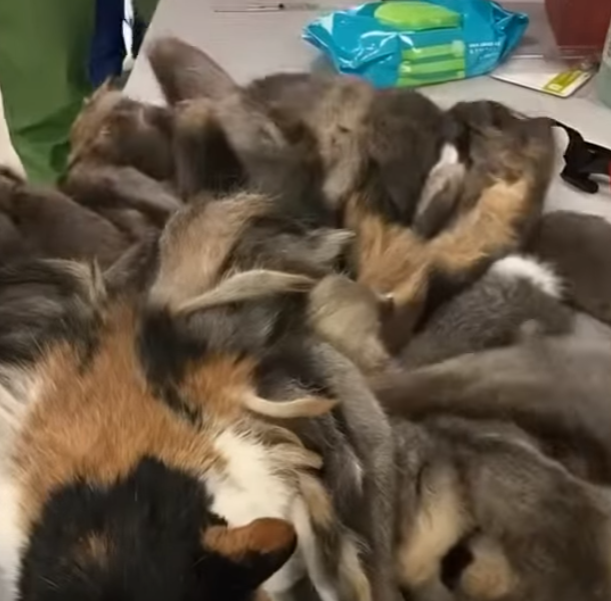
An anonymous report about an animal near an abandoned property prompted local authorities in Greenhaven to investigate a possible animal welfare concern. What began as a routine call became a reminder of how important it is for communities to recognize signs of animal distress and report them to the appropriate professionals.
The situation also highlighted the value of patience and responsible action when an unfamiliar or frightened animal needs assistance.
A Concerned Resident Raises the Alarm
The incident began when a Greenhaven resident noticed an animal hiding behind an apparently empty property. From a distance, it was difficult to identify the animal or determine its condition. However, something about the situation raised enough concern for the individual to contact local authorities.
Reports like this can be important because animals in difficult circumstances may remain unnoticed for extended periods. An animal could be injured, frightened, abandoned, or simply seeking shelter. Without a closer assessment, it is not always possible to know what is happening.
Rather than ignoring the situation, the resident decided to report the concern and allow trained responders to investigate.
Officers Approach the Property Carefully
When officers arrived, they began examining the area around the neglected building. They were not certain what kind of animal they would find or how it might react to their presence.
The animal was eventually spotted near the back of the property, away from the road and the people passing through the area. Its appearance raised concerns about its well-being, although the officers could not establish its history or determine exactly how long it had been there.
Recognizing that an unfamiliar animal might be frightened, the responders avoided rushing toward it. This was an important precaution. Animals that have experienced stressful situations may become defensive when approached, even when people intend to help.
A calm approach can reduce unnecessary stress and make it easier for trained professionals to assess the situation safely.
Why Animal Welfare Professionals Are Important
The officers contacted animal welfare professionals for assistance. Their involvement was important because responding to an animal in distress requires more than simply removing it from a location.
A proper assessment may involve checking for visible injuries, signs of illness, dehydration, malnutrition, or other concerns. Depending on the animal’s condition, veterinary attention or temporary shelter may also be necessary.
The available information about the Greenhaven incident does not establish the animal’s previous circumstances, whether it had an owner, or what may have caused it to remain near the property. Those details would need to be confirmed by the relevant authorities.
It is important not to assume that every animal found alone has been deliberately abandoned. Some animals become lost, escape from their homes, or seek shelter when they are frightened. Others may genuinely require urgent protection from neglect or unsafe conditions.
Each situation deserves an appropriate investigation rather than conclusions based only on appearance.
Recognizing Possible Signs of Animal Distress
The incident serves as a useful reminder that members of the public can sometimes be the first to notice when an animal needs help.
Although no single sign proves neglect, certain observations may justify contacting an animal welfare organization or local animal control service.
These can include:
- Visible injuries: Wounds, limping, difficulty standing, or unusual movement may indicate a need for medical attention.
- Unusual weakness: An animal that appears unable to move normally or remains unusually inactive may need professional assessment.
- Signs of poor condition: Noticeable weight loss, a damaged coat, or other concerning physical changes may warrant attention.
- Unsafe surroundings: Animals exposed to dangerous conditions, extreme weather, or hazardous materials may be at risk.
- Lack of accessible shelter or water: Depending on the circumstances, the absence of basic necessities can raise concerns about an animal’s welfare.
- Unusual behavior: Persistent distress, confusion, or fear may indicate that an animal is experiencing a problem.
Observations should be reported accurately. Providing a location, describing what was seen, and explaining whether the animal appears injured can help responders decide what action may be appropriate.
What to Do When You Find a Frightened or Injured Animal
People who encounter an animal in distress often want to help immediately. However, approaching too quickly or attempting to handle an unfamiliar animal can create additional risks.
A frightened animal may run into traffic, hide in a dangerous location, or react defensively. Even animals that are normally friendly can behave differently when they are injured or under stress.
A safer approach generally includes keeping a reasonable distance, avoiding sudden movements, and contacting the appropriate local service.
If it is safe to do so, a person can observe the animal long enough to provide responders with useful information. Details such as its approximate size, appearance, location, and behavior may help professionals prepare for the situation.
People should avoid chasing, cornering, or attempting to capture an unfamiliar animal unless instructed by trained responders. Injured animals may also need specialized handling to prevent further harm.
If the animal is in immediate danger, such as being close to a busy road, the situation should be communicated clearly when contacting local authorities.
The Role of the Community in Preventing Animal Neglect
Animal welfare is not solely the responsibility of rescue organizations or public authorities. Communities also play an important role by remaining attentive and reporting genuine concerns.
A person who regularly walks through a neighborhood, drives along a quiet road, or works near an empty building may notice an animal that others have overlooked. Reporting that observation can help professionals determine whether assistance is needed.
However, responsible reporting also means sharing accurate information and avoiding speculation. Public accusations against a property owner or another individual should not be made without reliable evidence.
When residents report what they have actually observed, authorities have a clearer starting point for investigating the situation.
Community members can also support animal welfare through responsible pet ownership, providing appropriate care for their own animals, and sharing information about established local rescue services.
Why Patience Matters During Animal Rescue
Rescue situations do not always have immediate or simple solutions. An animal may be frightened by unfamiliar surroundings, reluctant to approach people, or physically unable to move safely.
For this reason, trained responders often need to assess the environment before deciding how to proceed.
Patience can help prevent an already stressful situation from becoming more difficult. It also allows professionals to consider the animal’s behavior, physical condition, and possible medical needs before choosing the safest course of action.
The goal is not simply to move an animal away from a particular location. It is to ensure that the animal receives suitable care and is placed in an environment where its needs can be addressed.
A Reminder That One Report Can Make a Difference
The Greenhaven incident began with a simple observation from someone who was concerned about an animal’s condition. Although the animal’s background and the full outcome of the response were not provided, the report gave authorities an opportunity to investigate and seek professional assistance.
That is an important lesson for any community.
Animals cannot explain when they are injured, frightened, hungry, or unable to find safe shelter. Their needs may become visible through small changes in behavior or physical condition. Recognizing those signs and contacting the right people can be an important first step.
Anyone who encounters an animal that appears injured, abandoned, or seriously neglected should contact local animal control authorities or a recognized animal welfare organization. If there is an immediate danger, the appropriate emergency service should be contacted.
A responsible report does not require someone to know the animal’s entire history. It simply provides professionals with the opportunity to assess the circumstances and decide what help is needed.
Sometimes, paying attention to an overlooked animal and making one careful phone call can begin the process of getting it somewhere safer.