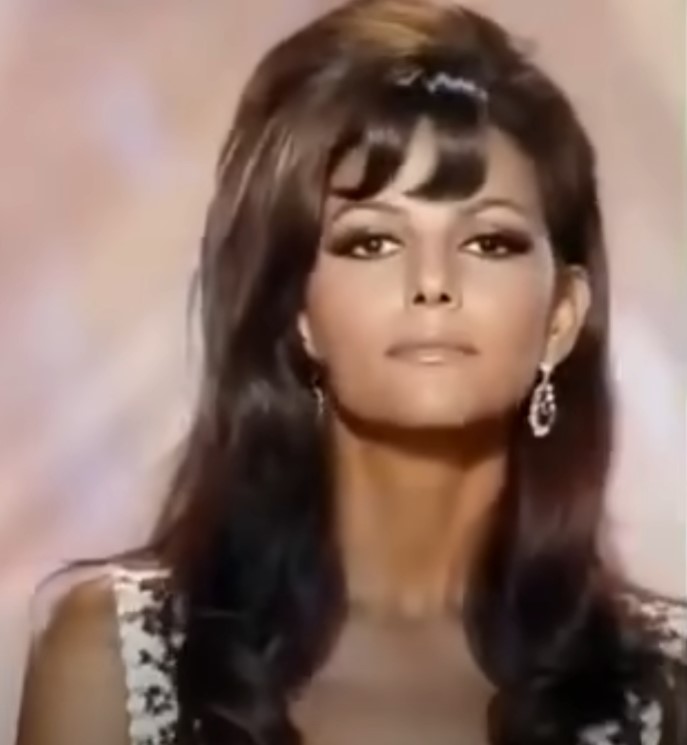
Claudia Cardinale became one of the most recognizable actresses of European cinema through a career that spanned decades and included some of the most celebrated films of the twentieth century. Known for her distinctive screen presence, expressive performances, and ability to move between different kinds of roles, she helped shape the international image of Italian cinema during a particularly influential period in film history.
Her appeal extended beyond glamour or celebrity. Cardinale brought a combination of confidence, emotional nuance, and individuality to her characters, allowing her to stand out in films ranging from intimate dramas to ambitious historical productions and westerns.
Her career also reflected the changing nature of cinema, as European filmmakers experimented with new storytelling techniques and international productions brought together artists from different countries.
The Early Years of a Remarkable Career
Born in Tunis on April 15, 1938, Claudia Cardinale grew up in a multilingual environment shaped by the cultural influences of North Africa and Europe. Her early life provided a background different from that of many performers who entered the Italian film industry at the time.
Her path toward acting began after she attracted attention in a beauty competition in Tunisia. That experience helped open doors to the film world and eventually brought her into contact with Italian filmmakers.
As she began appearing in movies, Cardinale developed a screen presence that distinguished her from many other performers of her generation. Her expressive features, confident manner, and ability to communicate emotion without relying entirely on dialogue made her well suited to the visual language of cinema.
Like many actors starting their careers, she had to navigate an unfamiliar professional environment while learning the demands of film production. Over time, she gained experience and established herself as a performer capable of carrying increasingly significant roles.
Her rise was not simply a matter of appearance. It involved adapting to different directors, scripts, filming styles, and audiences while developing an identity of her own.
A Defining Period in Italian Cinema
Cardinale’s career developed during a period when Italian cinema was attracting international attention. Filmmakers were exploring new approaches to realism, social commentary, historical storytelling, and visual style.
The Italian film industry produced a remarkable range of work during the 1950s and 1960s. Some films focused on ordinary life and social change, while others embraced elaborate sets, ambitious narratives, and stylized cinematic techniques.
Cardinale became part of this creative environment, working with directors whose films reached audiences far beyond Italy.
Her career included collaborations with major filmmakers such as Luchino Visconti, Federico Fellini, and Sergio Leone. These directors had distinct approaches to storytelling, and working with them offered opportunities to explore different forms of performance.
The variety of these projects helped Cardinale build an international reputation. She became associated with a period when European cinema was influencing filmmaking around the world and when performers could move between national industries with increasing frequency.
Performances That Became Part of Film History
Several films played an important role in establishing Cardinale’s place in cinema history.
<underline>Rocco and His Brothers (1960)</underline>, directed by Luchino Visconti, is a major example of Italian cinema’s engagement with family relationships, social pressures, and the challenges of urban life. Although Cardinale was not the film’s central focus, the production belongs to the important body of work surrounding her early career.
In <underline>The Leopard (1963)</underline>, also directed by Visconti, she appeared alongside Burt Lancaster and Alain Delon. The film explores the transformation of Sicilian society during the nineteenth century and is widely recognized for its elaborate visual design and treatment of historical change.
Cardinale’s role as Angelica brought her into a story concerned with social ambition, tradition, and the changing balance of power. The film remains one of the most frequently discussed works associated with her career.
Another major title was <underline>8½ (1963)</underline>, Federico Fellini’s influential film about a director struggling with creativity, personal relationships, and the pressures surrounding his work. The film is known for its inventive structure and exploration of imagination, memory, and artistic uncertainty.
Cardinale’s appearance contributed to a production that became an important reference point for filmmakers interested in the relationship between reality and fantasy.
These films demonstrate how her career intersected with some of the most significant artistic developments in European cinema.
From Historical Drama to the Western
Cardinale’s career was not confined to Italian dramas or period productions. She also appeared in films that reached international audiences through different genres.
One of her best-known performances came in <underline>**Once Upon a Time in the West (1968)**underline>, directed by Sergio Leone. The western combined expansive landscapes, carefully constructed tension, and a distinctive visual style.
Cardinale played Jill McBain, a woman whose arrival in a small western community becomes central to the film’s conflict. The character is important to the story rather than simply serving as a background presence.
Her performance helped bring emotional weight to a film built around ambition, violence, change, and the disappearance of an older way of life.
The production also demonstrated Cardinale’s ability to work within a genre associated with international stars and large-scale filmmaking. Her presence helped connect the film’s broad visual scope with the personal stakes of its characters.
The movie later became one of the defining works of Leone’s career and remains widely discussed by film enthusiasts.
Versatility Without Losing Her Identity
A recurring feature of Cardinale’s career was her movement between different kinds of stories.
She appeared in romantic films, historical dramas, comedies, and adventure productions. Each genre presented different demands, requiring changes in pacing, emotional expression, and the way a character related to the surrounding story.
Historical roles often required performers to work within carefully constructed settings and communicate the social expectations of another era. Modern dramas could call for a more immediate and naturalistic style, while westerns relied on visual tension, atmosphere, and controlled physical presence.
Cardinale’s ability to work across these settings helped her avoid being associated with only one type of film.
Versatility does not mean that every performance must look completely different. It can also involve adapting subtle elements of acting while retaining a recognizable personal style.
For Cardinale, that balance became part of her screen identity. Audiences could recognize her presence while encountering characters shaped by different circumstances, relationships, and motivations.
The Importance of Understated Acting
One reason Cardinale’s performances remain interesting to viewers is the role played by subtle expression.
Film acting often depends on details that may be difficult to notice consciously. A pause before speaking, a shift in posture, or a restrained facial expression can change the meaning of a scene.
Because cameras can capture small movements, performers do not always need to communicate through exaggerated gestures or lengthy speeches.
Cardinale’s screen presence often worked through this relationship between physical expression and emotional suggestion. Her characters could convey confidence, uncertainty, affection, or determination through the way they responded to others.
Such moments help create the impression that a character has an inner life beyond the immediate events of a scene.
The effectiveness of this approach also depends on editing, cinematography, direction, and the performances of other actors. Film is a collaborative art, and the emotional meaning of a moment often emerges from several creative decisions working together.
Cardinale’s career offers many opportunities to observe how an actor’s presence can contribute to a film’s overall atmosphere.
Working With Influential Directors
The directors with whom Cardinale worked approached cinema in different ways, giving her opportunities to explore varied styles.
Luchino Visconti was known for his attention to social structures, historical settings, and detailed visual composition. His films frequently examined how personal relationships are shaped by class, tradition, and changes in society.
Federico Fellini developed a highly distinctive cinematic language that often combined everyday experience with dreams, memories, and imaginative sequences.
Sergio Leone became known for his use of landscape, pacing, close-ups, and music to create tension and atmosphere, particularly in westerns.
Working within these different creative environments required adaptability. An actor had to understand the director’s intentions while also developing a believable interpretation of the character.
Cardinale’s involvement in productions associated with these filmmakers strengthened her connection to several major strands of European film history.
Their films also continue to be studied because of the ways they combine performance with visual storytelling, music, editing, and broader cultural themes.
International Recognition and a Lasting Public Image
Cardinale’s work reached audiences well beyond Italy. International productions and the growing global circulation of European films helped make her a familiar figure among viewers in different countries.
Her public image became associated with classic cinema, but her career cannot be reduced to a single appearance or style. The range of her work reflects a performer who continued to take on different kinds of roles as the film industry changed.
Her visibility at cultural events and film festivals also connected her with the preservation and celebration of cinema history.
Such appearances can serve an important purpose beyond publicity. Festivals and retrospectives provide opportunities for audiences to revisit older films, understand their historical context, and discover performances that may have been overlooked by later generations.
Cardinale’s continued association with classic cinema reflects the lasting interest in the films she helped bring to life.
Beyond Glamour: A Career Built on Work
The film industry has often placed considerable attention on the appearance and public image of actresses. For performers whose careers began during the studio-driven decades of the twentieth century, that attention could shape how audiences understood their professional identities.
Cardinale’s legacy, however, rests on more than the image associated with her early fame.
Her filmography includes productions with different genres, tones, and artistic ambitions. Looking at those works together reveals a career connected to a broad period of cinematic experimentation.
Her roles also illustrate how actresses contributed to stories that explored social transformation, family conflict, ambition, personal freedom, and changing cultural expectations.
A lasting career requires more than initial recognition. It involves continued participation in the creative process, adapting to different professional circumstances, and contributing to projects that remain meaningful to audiences over time.
Cardinale’s body of work offers a clear example of how an actor can become associated with a particular era while continuing to be remembered for individual performances.
An Influence That Crosses Generations
Film history is continually rediscovered by new audiences. Older movies become available through restorations, streaming services, cinema retrospectives, and discussions among critics and film enthusiasts.
This process allows performers from earlier generations to reach viewers who may not have experienced their work when it first appeared.
Cardinale’s films provide opportunities to examine different approaches to acting and filmmaking. They also show how cinema reflects the concerns, visual styles, and social attitudes of the periods in which it was produced.
For aspiring actors, her work can offer examples of screen presence, restraint, and adaptation to different genres. For filmmakers, the productions associated with her career provide material for studying composition, performance, pacing, and the relationship between characters and their environments.
Influence does not always mean that a later performer directly imitates an earlier one. Sometimes it involves preserving a tradition, inspiring curiosity, or demonstrating the lasting possibilities of a particular artistic approach.
In this sense, Cardinale’s legacy forms part of a wider conversation about the history of European cinema.
Claudia Cardinale’s Enduring Cinematic Legacy
Claudia Cardinale’s career connected her with some of the most influential filmmakers and productions of the twentieth century. From historical dramas to internationally recognized westerns, her performances helped establish a lasting presence in world cinema.
Her work with directors such as Visconti, Fellini, and Leone placed her within different artistic traditions, while her versatility allowed her to move between genres and storytelling styles.
The films associated with her career continue to attract attention because they offer more than nostalgia. They provide a window into changing ideas about performance, visual storytelling, history, and the relationship between cinema and society.
Ultimately, Cardinale’s legacy is found in the body of work she leaves behind and in the continued interest those performances inspire. Her career demonstrates how a distinctive screen presence, combined with varied roles and participation in ambitious productions, can become part of a lasting cinematic tradition.
For audiences discovering her films today, the opportunity remains to explore an actress whose work helped define an important chapter in international film history.