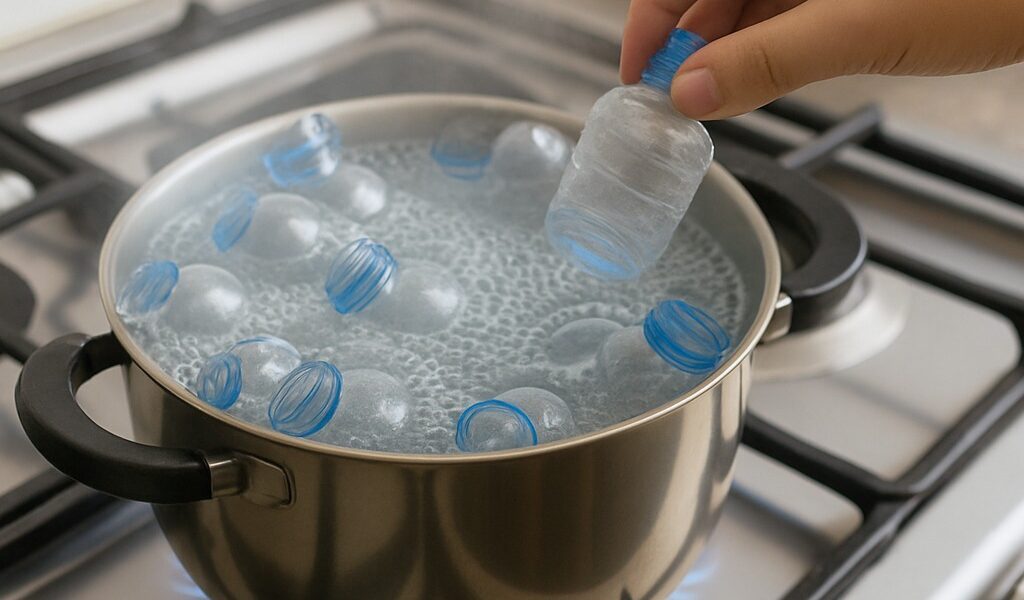
Millions of plastic bottles are thrown away every day, even though many of them could be transformed into useful and attractive products. What appears to be ordinary household waste can become the starting point for a small creative project, a home decoration, or even a business idea.
With a little imagination, simple tools, and some basic crafting skills, used plastic bottles can be given a second life.
Instead of purchasing every organizer, storage container, or decorative accessory, why not explore ways to create your own? Recycling can help reduce household waste while giving you an opportunity to develop practical skills and potentially earn additional income.
However, it is important to understand that not every type of plastic can be safely heated or reshaped at home. PET plastic, commonly used in drinking bottles, is not designed for boiling and remolding into household products. Heating it can cause unpredictable deformation and potentially release unwanted substances.
The good news is that there are several safer ways to reuse plastic bottles without exposing yourself to unnecessary risks.
Let’s explore some creative ideas that can turn discarded bottles into useful products.
1. Understand the Plastic Before Starting
Not all plastic bottles are manufactured from the same materials.
Many transparent water and soft-drink bottles are made from PET, also known as polyethylene terephthalate. This material is lightweight, transparent, and widely recyclable.
Other household containers may be made from HDPE or polypropylene, which have different physical properties.
These differences matter because each material responds differently to heat, pressure, and cutting.
For ordinary home recycling projects, it is best to avoid heating plastic altogether. Cutting, decorating, assembling, and painting suitable bottle surfaces can produce attractive results without requiring high temperatures.
Always check the recycling symbol when possible and follow local recycling guidelines.
2. Materials You Can Use for Creative Bottle Projects
Before beginning, gather a few inexpensive supplies.
Most of these items are already available in many households:
- Clean, empty plastic bottles.
- Scissors suitable for cutting plastic.
- A ruler and washable marker.
- Strong craft adhesive suitable for the materials.
- Decorative paper or fabric.
- Acrylic paint designed for plastic.
- Sandpaper for smoothing suitable cut edges.
- Decorative ribbons, labels, or stickers.
- Small containers for organizing supplies.
You do not need to purchase everything at once. Start with a simple project and gradually collect additional materials as your skills improve.
When cutting bottles, use appropriate protective equipment and ask an adult for help if children are participating.
3. Make a Practical Desk Organizer
One of the easiest ways to reuse plastic bottles is by turning them into desk organizers.
These containers are useful for keeping pens, pencils, markers, scissors, and other small accessories in one place.
How to make one:
- Wash an empty plastic bottle thoroughly.
- Remove its label and allow it to dry.
- Mark the desired cutting height.
- Carefully cut away the upper portion.
- Smooth or safely cover the cut edge.
- Decorate the outside with suitable paint, fabric, or colorful paper.
You can create several containers in different sizes and arrange them together.
A few matching organizers can make a desk look cleaner and more attractive without spending much money.
4. Create Decorative Flower Pots
Plastic bottles can also become inexpensive planters for flowers, herbs, and small decorative plants.
This project is especially useful for balconies, gardens, and homes with limited outdoor space.
Preparation:
- Choose a suitable plastic bottle.
- Clean it and remove any labels.
- Cut it to the desired planter shape.
- Make appropriate drainage holes.
- Decorate the outside if desired.
- Add suitable potting soil and a small plant.
If you want to hang the planter, use a secure support system and ensure the bottle is suitable for the intended weight.
For edible plants, choose containers intended for appropriate food-related use rather than relying on unknown paints, adhesives, or recycled materials.
Small planters can also make thoughtful handmade gifts.
5. Make a Simple Bathroom Storage Container
Small bathroom items often become scattered across shelves and countertops.
A recycled plastic container can provide a convenient place to store cotton pads, hair accessories, or other lightweight items.
To create one, simply clean a suitable bottle, cut it to the required height, and decorate it with waterproof materials.
You can make several containers to separate different items.
For example, one can hold hair clips, another can store small beauty accessories, and a third can keep makeup brushes organized.
Make sure the finished container is completely dry before placing personal-care items inside.
6. Build a Small Garden Watering Tool
Another useful project is creating a simple watering container from a plastic bottle.
This can help distribute water more gently around small plants.
Start with a clean bottle and make several small holes in its cap using an appropriate tool.
Fill the bottle with water, close the cap, and gently squeeze it to direct water toward the plants.
The pressure and amount of water can be controlled by how firmly you squeeze the container.
This inexpensive idea can be especially useful for watering small pots and seedlings.
Always keep sharp tools away from children.
7. Turn Plastic Bottles Into Attractive Craft Decorations
Plastic bottles can also be used for decorative projects.
With a little creativity, their shapes and transparent surfaces can become part of attractive handmade designs.
Some possibilities include:
- Decorative wall flowers.
- Colorful garden ornaments.
- Lightweight hanging decorations.
- Handmade gift packaging.
- Small storage baskets.
- Decorative desk accessories.
- Seasonal holiday decorations.
You can combine plastic with fabric, cardboard, rope, and other suitable craft materials to create unique designs.
The best part is that every finished item can be different.
8. How to Turn Your Recycling Projects Into Extra Income
Recycling crafts can become more than a weekend hobby.
If you enjoy making handmade objects, you may be able to sell some of your creations locally or online.
Start by producing a small collection of items and asking friends, family members, or neighbors for honest feedback.
Consider these possible products:
Personalized desk organizers: Offer different colors and designs for students, teachers, and office workers.
Decorative planters: Create matching sets for balconies, patios, and indoor gardens.
Bathroom organizers: Make attractive storage containers for small household accessories.
Garden decorations: Offer seasonal designs for people who enjoy decorating their outdoor spaces.
Custom gift items: Create personalized decorations for birthdays, holidays, and special occasions.
Take clear photographs of your finished products and share them on social media.
You can also investigate local craft fairs, community markets, and handmade-product marketplaces.
9. Calculate Your Costs Before Selling
One common mistake made by beginners is assuming that recycled products are automatically profitable.
Although the bottles themselves may be free, other expenses can quickly add up.
Remember to consider:
- Paint and decorative materials.
- Adhesives and other supplies.
- Packaging.
- Time spent creating each item.
- Delivery or transportation expenses.
- Online marketplace fees, where applicable.
For example, if you spend money on materials to create a set of three organizers, calculate the complete production cost before deciding on a selling price.
Your time also has value.
A well-finished product with attractive packaging and a useful purpose may be more appealing to customers than an item made quickly without attention to detail.
Start small, test customer interest, and improve your designs based on feedback.
10. Important Safety Tips When Recycling Plastic
Creative recycling should always be done responsibly.
Keep these precautions in mind:
Avoid boiling PET bottles. Drinking bottles are not designed to be melted or reshaped in household cookware.
Never burn plastic. Burning plastic can release dangerous fumes.
Do not use ordinary kitchen pots for craft materials. Keep food preparation equipment separate from crafting supplies.
Use appropriate cutting tools. Work on a stable surface and protect your hands.
Allow paint and adhesives to dry completely. Follow the manufacturer’s instructions and work in a ventilated area.
Avoid using unknown materials for food storage. Decorative recycled containers should not automatically be considered food-safe.
Keep small pieces away from children and pets. Plastic scraps and craft supplies can create choking or injury hazards.
If a bottle cannot be safely reused, placing it in the appropriate recycling collection is still a valuable choice.
11. Why Reusing Plastic Matters
Plastic pollution is a major environmental challenge around the world.
Reusing suitable materials can help reduce the amount of waste sent to landfills and encourage more responsible consumption.
Every household can contribute through small everyday decisions.
Separating recyclable materials, choosing reusable products, avoiding unnecessary packaging, and finding creative uses for suitable containers are all practical steps.
Recycling projects can also teach children about resourcefulness, environmental responsibility, and the value of making something useful from materials that might otherwise be discarded.
Final Thoughts: Your Next Creative Project Could Begin With an Empty Bottle
An empty plastic bottle may not look particularly valuable, but it can become a useful organizer, a decorative planter, a garden accessory, or a handmade gift.
You do not need expensive equipment or professional crafting experience to get started.
Choose a simple project, gather a few basic supplies, and experiment with different designs.
If you discover that people enjoy your creations, you may even turn your hobby into a small source of additional income.
The most important thing is to recycle responsibly, avoid unsafe heating methods, and focus on making products that are practical, attractive, and durable.
Sometimes, a little creativity is all it takes to see new possibilities in something that would otherwise be thrown away.