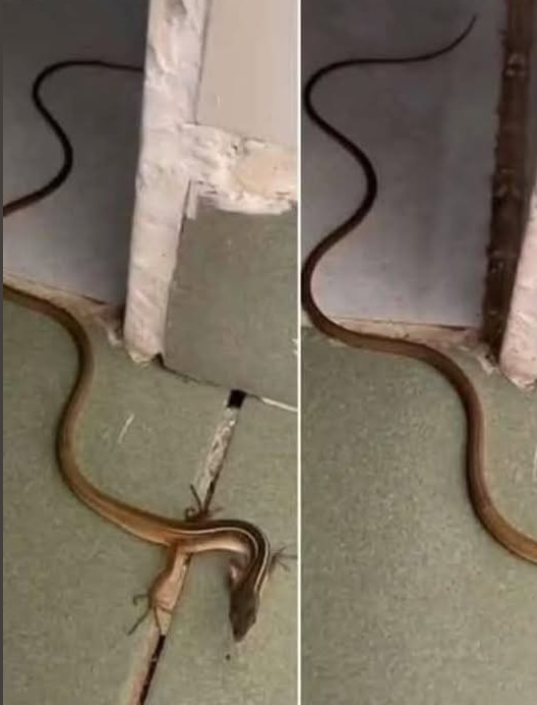
Discovering a snake inside your home can turn an ordinary day into a frightening experience. Whether it appears in the kitchen, bathroom, bedroom, basement, or garage, seeing a wild animal moving across the floor can cause an immediate reaction.
Some people instinctively reach for a broom, while others try to chase the animal outside. However, these reactions can increase the risk of an encounter becoming dangerous.
Wildlife experts recommend a much simpler approach: stay calm, create distance, keep children and pets away, and seek professional assistance when necessary.
Understanding why snakes enter homes, how to respond safely, and what changes can reduce future encounters can help protect both your household and the animal.
Why a Snake Might Enter Your Home
Snakes generally enter buildings while searching for basic survival resources. They need food, shelter, suitable temperatures, and places where they can remain protected from predators.
Unfortunately, some residential properties provide exactly these conditions.
A snake may enter through an open garage door, a gap beneath an exterior door, or an opening around pipes and utility connections. In other situations, it may follow a small animal into a storage area or simply wander inside while exploring its surroundings.
Several factors can make a property more attractive to snakes:
- Rodents: Mice and rats provide food for many snake species.
- Dark hiding places: Spaces beneath appliances, furniture, and stored belongings can provide shelter.
- Outdoor clutter: Woodpiles, fallen branches, dense vegetation, and unused materials can create hiding areas.
- Temperature changes: Shaded or sheltered spaces may offer more suitable conditions during very hot or cold weather.
- Unsealed openings: Damaged door seals, gaps around pipes, and open windows can provide entry routes.
Finding one snake indoors does not automatically mean that a home has a serious pest problem. Sometimes, the animal has simply wandered through an available opening.
Step 1: Keep Your Distance and Observe Safely
The first priority is to avoid approaching the snake.
Do not attempt to determine whether it is venomous by examining its head, eyes, or markings from close range. These identification methods can be unreliable, particularly for someone without experience.
Some harmless snakes can flatten their heads when frightened, while certain venomous species do not have the appearance people commonly associate with dangerous snakes.
If you cannot confidently identify the animal, treat it as potentially venomous.
From a safe location, you may be able to notice general details such as its approximate size, color, and body pattern. These observations can help a qualified wildlife professional understand what they may be dealing with.
A photograph can sometimes be useful, but only if it can be taken without approaching or disturbing the animal. Never put yourself at risk to get a better picture.
The safest decision is to leave identification and removal to someone with appropriate training.
Step 2: Protect Children and Pets
After noticing a snake, move everyone away from the area.
Children may be frightened, but some may also become curious and want to get closer. Explain clearly that the animal is wild and must not be touched.
Move children to another room or a secure area away from the sighting.
Pets also need attention. Dogs may bark, rush toward the snake, or investigate it with their noses. Cats may attempt to catch it with their paws.
These reactions can put animals at risk of being bitten.
If it is possible to move your pets without passing near the snake, place them in a separate room or take them outside through a safe route.
If you suspect that a pet has been bitten, contact a veterinarian promptly. Do not wait for obvious symptoms, especially when the snake’s identity is unknown.
Step 3: Isolate the Area if It Is Safe
If the snake is inside a room with a door, closing the door may help prevent it from moving into other parts of the home.
Only do this if you can reach the door without approaching or passing the animal.
For example, if the snake is inside a kitchen and you are already standing safely in the hallway, closing the kitchen door may be a reasonable precaution.
However, never attempt to cross the room or move furniture to reach an exit.
Avoid trying to frighten the snake with loud noises, stomping, or spraying water. These methods are unpredictable and may cause the animal to move into a hidden area.
Reducing activity around the snake is generally a better approach.
Step 4: Do Not Try to Catch or Kill It
One of the most important safety recommendations is to avoid handling an unfamiliar snake.
Using a broom, shovel, stick, or other household object may seem like an easy way to remove it, but these attempts can put your hands and feet within striking distance.
A snake that feels trapped may defend itself. It may also move quickly beneath furniture, behind appliances, or into an area where it becomes difficult to locate.
Trying to kill the animal can be dangerous as well.
Even an injured or apparently dead venomous snake may remain hazardous. Reflex movements can occur, and handling the head or mouth can expose someone to its fangs.
A broom does not provide guaranteed protection, and inexperienced attempts at removal can make the situation more difficult.
Professional wildlife handlers have suitable equipment and experience dealing with different species. They can assess the situation and determine an appropriate removal method.
Respecting wildlife does not mean allowing a snake to remain inside your home. It means addressing the problem without creating unnecessary danger.
Step 5: Know Whom to Contact
Once everyone is safely away from the animal, contact an appropriate local service.
Depending on where you live, possible sources of assistance include:
- Local animal control services.
- Wildlife rescue organizations.
- Environmental or conservation authorities.
- Qualified wildlife removal specialists.
Not every animal control department handles snakes, so ask whether they provide this service or can recommend an appropriate professional.
When requesting assistance, explain where the snake was last seen and whether it is still visible.
You can also describe its approximate size, color, and markings if you observed them safely.
Mention whether children or pets are present and whether anyone has been bitten.
You do not need to return to the room to collect additional information. Your safety is more important than providing an exact description.
What to Do If Someone Is Bitten
A snakebite should always be taken seriously, particularly when the species is unknown or could be venomous.
If someone is bitten by a potentially venomous snake, seek emergency medical attention immediately. Do not wait for symptoms to develop.
The following steps can help while emergency assistance is being arranged:
- Move the person away from the snake without attempting to catch or kill it.
- Contact emergency medical services immediately.
- Encourage the injured person to remain as still and calm as reasonably possible.
- Avoid unnecessary movement of the affected limb.
- Remove rings, watches, bracelets, or tight items near the bite before swelling develops, if this can be done safely.
- Follow instructions from emergency medical professionals.
Do not cut the wound, attempt to suck out venom, apply ice, use electric shocks, or place a tourniquet around the affected limb.
Do not give alcohol or delay treatment while trying to identify the snake.
Medical professionals can determine whether antivenom or other treatment is needed.
Even a bite from a nonvenomous snake may require medical attention. The wound can become infected, and a healthcare professional may need to assess whether cleaning or a tetanus vaccination update is necessary.
Why Snakes Are Attracted to Certain Areas
Understanding what attracts snakes can help homeowners reduce the likelihood of future encounters.
Food is one of the main factors.
Many snake species feed on rodents, insects, amphibians, lizards, birds, or eggs. A property with frequent mouse or rat activity may therefore attract snakes that hunt these animals.
Shelter is another important factor.
A garage filled with cardboard boxes, unused equipment, old clothing, and other stored materials provides numerous places where wildlife can hide.
Outdoor areas can create similar conditions. Woodpiles, dense plants, fallen branches, and abandoned materials may offer shelter close to the house.
Temperature also influences snake behavior. Because snakes are ectothermic, their body temperature is strongly affected by their surroundings. Depending on the species and climate, they may seek cooler shaded areas during hot weather or protected spaces when temperatures fall.
Sometimes, however, there is no complicated explanation. A snake may simply discover an open door or a small gap and accidentally enter the building.
How to Prevent Snakes From Entering Your Home
After a snake has been safely removed, it is worth checking the property for possible entry points.
Prevention generally involves reducing access, limiting food sources, and removing unnecessary hiding places.
Inspect Exterior Doors
Check the bottom and sides of exterior doors for visible gaps.
Weatherstripping can deteriorate over time, while door frames and thresholds may become damaged.
Installing properly fitted door sweeps and replacing worn seals can help prevent small animals from entering.
Pay particular attention to doors leading to garages, basements, laundry rooms, and storage areas.
Seal Openings Around Pipes and Utilities
Inspect areas where plumbing, electrical cables, and other utilities enter the building.
Small gaps around these connections can provide access for wildlife.
Use suitable materials to seal openings, taking care not to interfere with ventilation or essential building systems.
Windows, vents, and other openings should also have appropriate screens or protective coverings.
Reduce Rodent Activity
Managing rodents is an important part of reducing the conditions that attract some snake species.
Keep garbage in closed containers and avoid leaving pet food outside overnight.
Store birdseed, animal feed, and other food products in secure containers. Clean up spills promptly and address signs of mice or rats.
If professional pest control is necessary, choose methods that consider the safety of children, pets, and wildlife.
Rodent poisons can affect unintended animals, including predators that consume poisoned rodents. Integrated pest management, which combines sanitation, exclusion, monitoring, and carefully selected control methods, is often a more responsible approach.
Keep Outdoor Areas Organized
Remove unnecessary piles of wood, fallen branches, and unused materials close to the house.
Keep grass and vegetation managed around frequently used pathways and entrances.
Where practical, store firewood away from the building and elevate it from the ground.
These changes reduce sheltered spaces where rodents and other small animals may gather.
Be Careful in Garages and Storage Areas
Garages deserve particular attention because they often contain clutter, stored food, and openings to the outdoors.
Check the main garage door to make sure its bottom seal fits properly against the ground.
Organize stored belongings in durable containers with secure lids. This makes it easier to inspect the floor and reduces hiding places for rodents.
When moving old boxes or equipment, use adequate lighting and avoid reaching blindly into concealed spaces.
If snakes are common in your region, wearing closed-toe footwear while working in storage areas is a sensible precaution.
Do Commercial Snake Repellents Work?
Many products claim to keep snakes away using strong odors, chemical ingredients, or electronic devices.
However, evidence supporting the consistent effectiveness of many commercial repellents is limited.
Some traditional suggestions, including mothballs and household chemicals, may also be dangerous or unsuitable for wildlife control.
Never scatter pesticides or chemicals around your property unless they are specifically intended for the purpose and used according to safety instructions.
Physical prevention is generally more dependable.
Sealing entry points, managing rodents, reducing outdoor clutter, and maintaining organized storage areas address the conditions that may attract snakes in the first place.
Common Myths About Snakes
Incorrect information can make an encounter more frightening and sometimes encourage unsafe behavior.
Understanding a few common misconceptions can help people respond more appropriately.
Myth: Every snake with a triangular head is venomous.
Head shape alone is not a reliable way to identify a dangerous snake. Some harmless species flatten their heads when threatened.
Myth: A snake that remains still is preparing to attack.
Many snakes freeze when they notice a possible threat. Remaining motionless can help them avoid detection. Nevertheless, they should always be given plenty of space.
Myth: Baby snakes are always more dangerous than adults.
Young venomous snakes can cause serious bites, but adults can also cause severe injuries. Size alone does not determine the level of danger.
Myth: Snakes deliberately chase people.
A snake moving in the same direction as a person may simply be trying to reach shelter or escape. It should not automatically be interpreted as an attempt to pursue someone.
Myth: Snakes cannot climb stairs or walls.
Many species can climb, depending on their anatomy and the surface. A staircase should not be considered a reliable barrier.
Myth: Snakes can jump across a room.
Snakes do not jump like frogs, but some can strike rapidly and extend their bodies toward a perceived threat. Maintaining distance is safer than trying to estimate how close you can stand.
Can a Snake Return After Being Removed?
A snake may return to an area if the conditions that attracted it remain unchanged.
For example, a property with frequent rodent activity, accessible hiding places, or unsealed openings may continue to attract wildlife.
This does not mean that the same snake will necessarily come back. It simply means that removing one animal does not always resolve the underlying conditions.
After professional removal, inspect doors, windows, utility openings, storage areas, and the surrounding yard.
A shed skin found in a basement or garage does not necessarily prove that a snake is still present. Snakes shed their skin as they grow, and an old skin may remain after the animal has left.
If you find one, avoid reaching into nearby concealed areas. Seek professional guidance if you are concerned about another snake.
What About Snakes in City Homes?
Living in an urban area does not make snake encounters impossible.
Homes located near parks, waterways, drainage corridors, gardens, or undeveloped land may occasionally encounter wildlife.
A snake may follow prey into a residential neighborhood or enter through an opening while exploring.
The same safety principles apply regardless of whether a home is in a city or a rural area.
Keep your distance, move children and pets away, avoid handling the animal, and contact an appropriate local service when necessary.
Learning which snake species occur naturally in your region can also help you understand local wildlife risks.
How to Feel More Prepared After an Encounter
Finding a snake inside your home can leave you uneasy even after it has been removed.
Some people become reluctant to enter the garage or repeatedly check corners and storage spaces. These reactions are understandable after an unexpected encounter.
Having a practical safety plan can help reduce uncertainty.
Make sure family members know not to approach unfamiliar snakes. Keep appropriate emergency contact information available, maintain clear pathways, and inspect possible entry points regularly.
Outdoor lighting can also help people see where they are walking, particularly around garages, sheds, and garden paths.
You do not need to become an expert in reptile identification or learn how to handle snakes. Knowing how to avoid direct contact and obtain professional help is usually enough.
The Safest Response Is to Leave the Snake Alone
Finding a snake inside your home can be unsettling, but panic is rarely helpful.
Most snakes are not looking for opportunities to attack people. They are wild animals responding to their surroundings, often searching for food, shelter, or a suitable temperature.
That does not mean they belong inside an occupied home. It means the situation should be handled carefully.
If you discover a snake, create distance, move children and pets away, and avoid touching, cornering, capturing, or killing it. Close the affected room only if you can do so without approaching the animal.
Contact qualified wildlife assistance when removal is necessary, and seek emergency medical care immediately if someone is bitten by a potentially venomous snake.
Once the animal is gone, focus on prevention. Repair gaps around doors and utilities, reduce rodent activity, organize storage spaces, and remove unnecessary outdoor clutter.
These practical steps can help make a home less attractive to unwanted wildlife while protecting both residents and animals.
The most important lesson is simple: stay calm, keep your distance, and let trained professionals handle an unfamiliar snake.