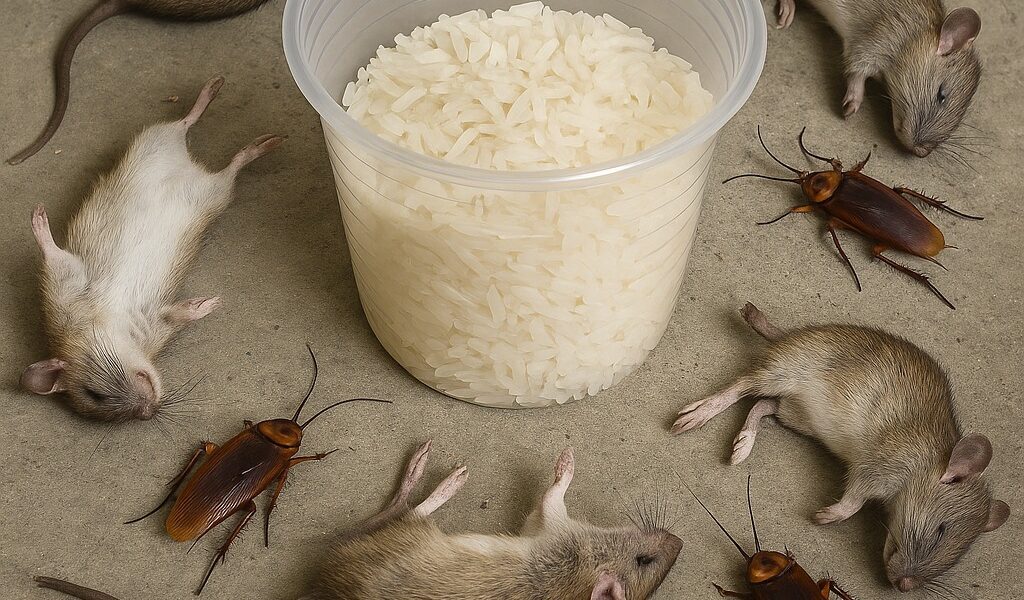
Rats and cockroaches are among the most unwelcome visitors in any home. They can appear in kitchens, bathrooms, storage rooms, garages, and other places where food, water, and shelter are available. Even a clean house can occasionally experience a pest problem, especially when insects or rodents find an easy way inside.
Discovering these unwanted visitors can be frustrating. Rats may chew electrical wires, damage stored belongings, and contaminate food. Cockroaches can spread bacteria from dirty surfaces to kitchen counters, dishes, and food preparation areas.
Fortunately, getting rid of these pests does not always require complicated procedures or expensive treatments. A combination of good household hygiene, preventive measures, and appropriate pest-control products can make a significant difference.
Here are some practical ways to protect your home and reduce the chances of rats and cockroaches returning.
1. Understand Why Rats and Cockroaches Enter Your Home
Before attempting to eliminate pests, it helps to understand what attracts them.
Like other living creatures, rats and cockroaches need three basic things: food, water, and shelter.
A few crumbs beneath the kitchen table, an uncovered rubbish bin, leaking pipes, or food left overnight can provide everything these pests need to survive.
Rats are particularly attracted to areas where they can hide and build nests. They may enter through small openings around doors, damaged ventilation systems, pipes, and foundations.
Cockroaches prefer warm, dark, and humid environments. Kitchens, bathrooms, cupboards, and spaces behind household appliances are common hiding places.
Identifying these conditions is the first step toward controlling an infestation.
2. Keep Your Kitchen Clean and Free of Food Residue
One of the simplest ways to discourage pests is to remove their food sources.
Even small amounts of leftover food can attract cockroaches and rodents.
Try following these habits:
- Wipe kitchen counters after preparing meals.
- Sweep or vacuum crumbs from floors regularly.
- Wash dishes instead of leaving them overnight.
- Store cereals, flour, rice, and other dry foods in sealed containers.
- Keep rubbish bins covered.
- Clean beneath refrigerators, ovens, and kitchen cabinets.
Pay particular attention to areas that are difficult to reach. Food particles can accumulate beneath appliances and inside cabinet corners without being noticed.
A consistent cleaning routine makes your home less attractive to unwanted visitors.
3. Remove Standing Water and Excess Moisture
Water is another important factor that attracts household pests.
Cockroaches can survive in damp environments, while rodents also need regular access to water.
Check your home for leaking faucets, dripping pipes, condensation, and standing water.
Make sure bathroom floors remain reasonably dry and that kitchen sinks are not left full of dirty dishes and water overnight.
If you notice moisture beneath a sink, investigate the source rather than simply wiping it away.
Improving ventilation in bathrooms and laundry rooms can also help reduce humidity.
These small changes make the environment less suitable for many common household pests.
4. Seal Openings Where Rats and Insects Can Enter
Cleaning alone may not solve a pest problem if rodents and insects have easy access to your home.
Inspect the areas around doors, windows, pipes, drains, and ventilation openings.
Look for:
- Small gaps around plumbing installations.
- Cracks in walls and foundations.
- Damaged door seals.
- Openings around electrical cables.
- Broken window screens.
- Gaps beneath exterior doors.
Seal suitable openings using appropriate building materials, such as metal mesh, mortar, or weather-resistant sealants.
For larger openings or suspected rodent entry points, professional assistance may be necessary.
Remember that rats can squeeze through surprisingly small openings, so even seemingly insignificant gaps deserve attention.
5. Use Appropriate Products to Control Cockroaches
If cockroaches have already appeared, household cleaning may need to be combined with targeted pest-control methods.
Cockroach bait stations and gel baits are commonly used because they attract cockroaches to a controlled source of insecticide.
When selecting a product, always read the instructions carefully and follow the manufacturer’s safety recommendations.
Keep all pest-control products away from children, pets, food, and kitchen utensils.
Avoid applying insecticides directly to food preparation surfaces unless the product label specifically permits that use.
Sticky monitoring traps can also help identify where cockroaches are most active. Place them in suitable locations near walls, behind appliances, and inside cupboards, while keeping them inaccessible to children and pets.
If cockroaches continue appearing despite these measures, a licensed pest-control professional can identify the source and recommend an appropriate treatment.
6. Choose Safe and Effective Rat-Control Methods
Rats require a slightly different approach because they can damage property and contaminate food.
Start by removing accessible food and water sources and sealing potential entry points.
Where necessary, use commercially approved rodent traps according to their instructions.
Snap traps and enclosed traps may be suitable options when correctly positioned and maintained.
Place traps along walls and near areas where signs of rodent activity have been noticed. Keep them away from children and household pets.
Avoid homemade mixtures containing cement, chemicals, or other substances intended to poison rodents. These preparations are not reliable pest-control methods and can cause serious harm if accidentally swallowed by children, pets, or wildlife.
Rodent poison should only be considered when appropriate, using approved products and professional guidance. Improperly placed poison can create additional risks.
For a significant infestation, contacting a qualified pest-control specialist is usually the safest approach.
7. Pay Attention to Warning Signs
Sometimes pests are present long before anyone sees them.
Recognizing early warning signs can help prevent a small problem from becoming a larger infestation.
Signs of rats may include:
- Small dark droppings.
- Scratching sounds inside walls or ceilings.
- Chewed food packaging.
- Gnaw marks on wooden objects.
- Unusual smells in enclosed spaces.
- Nesting materials in storage areas.
Cockroach activity may be indicated by:
- Small dark droppings.
- Egg cases in hidden spaces.
- Shed insect skins.
- Unpleasant odors.
- Cockroaches appearing at night.
- Insects hiding around refrigerators, sinks, and cupboards.
If you discover droppings or nesting materials, avoid sweeping or vacuuming them while dry. Follow public-health cleaning recommendations, using appropriate protective equipment and disinfectant.
8. Make Prevention Part of Your Daily Routine
The best pest-control strategy is preventing unwanted visitors from establishing themselves in your home.
A few simple habits can help:
Store food properly: Keep opened packages inside airtight containers.
Take out rubbish regularly: Avoid allowing food waste to accumulate indoors.
Maintain your garden: Remove piles of leaves, unused containers, and other materials that provide hiding places.
Check storage spaces: Keep garages, basements, and cupboards organized.
Inspect regularly: Look for cracks, leaks, and signs of pest activity.
Protect pet food: Avoid leaving pet food bowls full overnight when possible.
These practices are inexpensive and can significantly reduce the conditions that attract rodents and insects.
When Should You Contact a Professional?
Some pest problems can be managed with basic preventive measures, but others require specialized attention.
Consider contacting a professional if you notice repeated rat sightings, extensive droppings, damaged electrical wiring, or large numbers of cockroaches.
A trained specialist can determine where pests are entering, identify possible nesting locations, and recommend suitable treatment methods.
Professional assistance is particularly important when pests are present in areas where food is prepared or stored.
Final Thoughts: A Cleaner Home Is the First Step Toward Fewer Pests
Rats and cockroaches can make any household uncomfortable, but dealing with them does not have to involve dangerous homemade chemicals or untested remedies.
The most effective approach combines cleanliness, proper food storage, moisture control, sealing entry points, and suitable pest-control methods.
Small daily habits can make a meaningful difference. By keeping your home clean, repairing leaks, storing food securely, and addressing pest activity early, you can create an environment that is much less attractive to unwanted visitors.
A safe and comfortable home begins with prevention. With consistent attention and the right methods, you can protect your living space and reduce the likelihood of future infestations.