Buying meat at the supermarket may seem simple, but product labels often contain more information than shoppers realize. From country-of-origin details and ingredient lists to processing methods and storage instructions, understanding these labels can help consumers make more informed purchasing decisions.
Whether you’re buying beef for a family dinner, chicken for meal preparation, or steak for a weekend barbecue, knowing what the packaging means can make grocery shopping easier. It can also help you compare prices, understand product differences, and choose meat that suits your preferences.
Why Understanding Meat Labels Matters
Meat packaging includes several types of information, such as product names, weight, ingredients, nutritional values, storage instructions, and date markings.
Some details are required by food regulations, while others describe production methods or are used for marketing purposes.
Understanding the difference is important. Words such as natural, organic, grass-fed, and premium do not necessarily mean the same thing.
Instead of relying entirely on attractive packaging, shoppers should examine the information provided on the entire label.
Understanding Country-of-Origin Information
One important detail to check is where the meat comes from. Depending on the product and country, an animal may be raised in one location, processed in another, and packaged somewhere else.
Imported meat is not automatically lower quality than locally produced meat. Product quality depends on several factors, including animal care, processing, transportation, refrigeration, and handling.
Similarly, domestic meat is not automatically superior simply because it comes from a nearby location.
If supporting local producers is important to you, check the origin information and look for clearly identified domestic products.
What Ingredients Reveal About Processed Meat
Not every meat product contains only meat. Some packages include additional ingredients such as salt, water, spices, marinades, preservatives, or flavorings.
This is particularly common with sausages, seasoned meat, bacon, and ready-to-cook products.
Reading the ingredient list helps consumers understand what they are purchasing. It can also be useful for people monitoring sodium intake or avoiding particular ingredients.
Plain cuts of meat generally have simpler ingredient lists, while prepared products may contain several additional components.
Understanding Lean Meat and Fat Percentages
Ground beef packages often display percentages such as 80% lean and 20% fat or 90% lean and 10% fat.
These figures describe the approximate proportion of lean meat and fat in the product.
Higher-fat ground beef can produce juicy burgers and flavorful dishes, while leaner varieties may suit recipes where reducing fat is a priority.
Neither option is automatically better. The right choice depends on personal preferences, cooking methods, and nutritional needs.
Why Meat Color Can Be Misleading
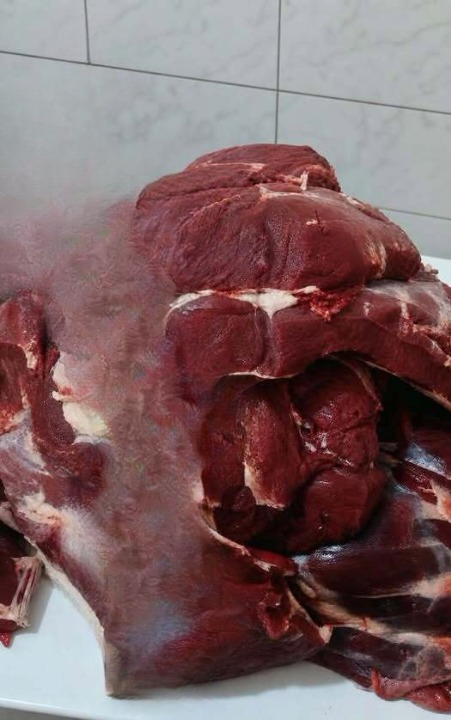
Many shoppers associate bright red beef with freshness, but color alone is not a reliable way to determine meat quality or safety.
Exposure to oxygen, packaging methods, and natural differences in meat pigments can influence appearance.
Vacuum-packed beef, for example, may appear darker or purplish because there is less oxygen inside the package. Its color can change after opening as it comes into contact with air.
Rather than judging meat by appearance alone, check the packaging, storage conditions, date information, and any signs of damage or leakage.
Remember that harmful bacteria cannot always be detected through smell or appearance.
What Does Mechanically Tenderized Mean?
Some beef products are mechanically tenderized using equipment that creates small openings in the meat to help break down muscle fibers.
This process can improve tenderness, but it can also move bacteria from the surface into the interior.
For this reason, mechanically tenderized beef may require specific cooking instructions.
If you see this statement on a package, read the preparation guidance carefully and follow the recommended cooking temperature.
Understanding Marbling and Meat Tenderness
Marbling refers to small streaks of fat distributed throughout muscle tissue. It is particularly noticeable in certain steak cuts.
This internal fat can contribute to flavor, moisture, and tenderness during cooking.
However, more marbling does not automatically mean that every consumer will prefer the meat. Some people enjoy richer cuts, while others prefer leaner options.
Tenderness also depends on the cut, aging, muscle structure, and cooking technique.
For example, tougher cuts often benefit from slow cooking, while naturally tender cuts may be suitable for grilling or quick preparation.
Organic, Grass-Fed, and Natural: What Is the Difference?
Food labels sometimes use terms that appear similar but describe different characteristics.
Organic generally refers to production standards established by an applicable certification system. Grass-fed describes an animal’s feeding practices, subject to the relevant labeling requirements.
Natural is another commonly used term, but its precise meaning depends on the regulations governing the product.
These claims should not be treated as interchangeable.
Consumers who prefer particular production methods should look for relevant certifications and clearly explained labeling information rather than relying on marketing language alone.
How to Check Meat Packaging and Storage Information
Before purchasing meat, examine the package carefully.
Make sure the packaging is sealed and does not show unusual leaks, damage, or swelling. Check the date information and confirm that the product has been properly refrigerated.
Date labels can have different meanings depending on local regulations and the wording used. A sell-by date may serve a different purpose from a use-by date.
Follow the manufacturer’s storage instructions and keep refrigerated products cold during transportation.
Once home, refrigerate or freeze meat promptly according to food-safety recommendations.
Choosing the Right Meat for Your Meals
The best meat for your shopping basket depends largely on what you plan to cook.
Ground beef with a suitable fat percentage can work well for burgers. Tougher cuts may be excellent for stews and slow-cooked meals, while tender steaks can be suitable for grilling.
Comparing the price per kilogram or pound can also help you understand the actual cost of different packages.
Rather than automatically choosing the most expensive option, consider the cut, ingredients, intended recipe, and your budget.
Simple Food Safety Habits Every Shopper Should Follow
Safe meat handling begins before you reach the kitchen.
Keep raw meat separate from ready-to-eat foods in your shopping cart and grocery bags. At home, store it securely in the refrigerator and prevent its juices from contacting other foods.
Use separate equipment or clean surfaces thoroughly when preparing raw meat and other ingredients.
Follow recommended cooking temperatures rather than relying on color alone. A food thermometer is a useful way to check whether meat has reached a safe internal temperature.
These simple habits help reduce the risk of foodborne illness.
Conclusion
Understanding supermarket meat labels does not require expert knowledge. By checking ingredients, origin information, fat percentages, processing statements, and storage instructions, shoppers can make more confident purchasing decisions.
Remember that no single characteristic determines meat quality. Price, color, packaging, and marketing claims should all be considered alongside the actual product information.
The next time you visit the supermarket meat counter, take a few extra seconds to read the label. That small habit can help you choose products that match your cooking needs, personal preferences, and household budget while supporting safer food handling at home.