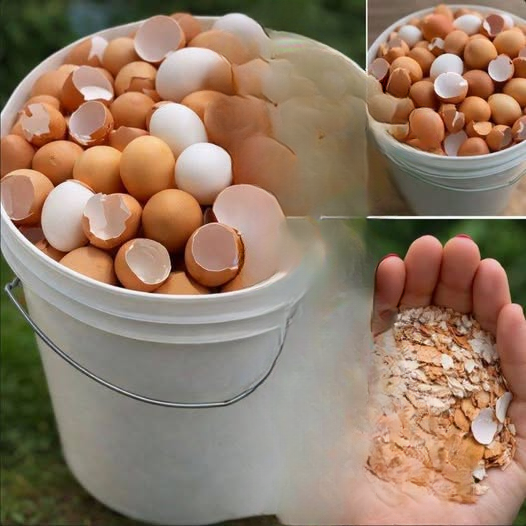
Most people crack eggs, prepare breakfast, and immediately throw the shells into the trash without giving them a second thought. However, eggshells are more useful than many people realize. These everyday kitchen leftovers contain minerals, particularly calcium carbonate, and can be repurposed in several practical ways around the home and garden.
Instead of automatically throwing them away, consider saving your eggshells for a few simple household projects. With proper cleaning and preparation, they can become a useful addition to your gardening routine, compost pile, and creative activities.
Boiling eggshells is one method people use to clean them before reuse. Although boiling does not magically transform them into a miracle product, it can help remove leftover egg residue and make them easier to handle.
Let’s explore why eggshells deserve a second look and how you can use them responsibly.
1. Why Are Eggshells Worth Keeping?
Eggshells are primarily made of calcium carbonate, a naturally occurring mineral also found in limestone and other materials.
Calcium is an important nutrient for plants and plays a role in maintaining healthy cell walls. This is one reason eggshells have become popular among gardeners looking for ways to reuse kitchen waste.
However, eggshells break down relatively slowly in soil. Simply scattering large pieces around plants does not provide an immediate source of calcium.
Their greatest benefit often comes from reducing household waste and adding suitable organic material to a composting system.
2. How to Boil Eggshells Properly
Before using eggshells around your home, it is important to clean them properly.
Follow these simple steps:
- Collect eggshells after preparing your meals.
- Remove any remaining egg white or membrane.
- Rinse the shells thoroughly under clean running water.
- Place them in a pot of water and bring the water to a boil.
- Allow them to boil for approximately 10 minutes.
- Carefully drain the water and spread the shells on a clean surface.
- Let them dry completely.
Once dry, the shells can be crushed into smaller pieces or ground into a fine powder, depending on how you intend to use them.
Always allow the shells to cool before handling them.
3. Add Crushed Eggshells to Your Compost
One of the simplest ways to reuse eggshells is by adding them to your compost pile.
Composting helps transform suitable household and garden waste into a material that can improve soil structure and support plant growth.
Crushed eggshells contribute mineral material to the finished compost.
For better results, break the shells into small pieces before adding them. Smaller pieces provide more surface area and generally break down more easily than large, intact shells.
Remember that eggshells are not a complete fertilizer. They do not provide all the nutrients plants need, so compost should contain a balanced mixture of appropriate materials.
4. Use Eggshells in Your Garden
Gardeners sometimes add crushed eggshells to planting areas as a way of reusing kitchen waste.
Because eggshells contain calcium carbonate, they can contribute calcium to the soil as they gradually break down.
However, there is an important detail to remember: eggshells release their calcium slowly.
If your plants have a specific nutrient deficiency, adding eggshells may not solve the problem quickly. It is better to understand your soil conditions before making major changes.
A soil test can help determine whether additional calcium is actually necessary.
5. Make a Simple Eggshell Craft Project
Eggshells are not only useful for gardening. They can also be used in creative household activities.
After cleaning and drying them, you can crush the shells into small pieces and use them for decorative projects.
Some ideas include:
- Creating textured artwork.
- Decorating handmade cards.
- Adding decorative patterns to craft projects.
- Making small mosaic designs.
- Using colorful shell fragments in educational activities.
If children participate, make sure an adult prepares the shells and supervises the activity because sharp fragments can cause small cuts.
This is also a fun way to teach children about recycling and finding new uses for everyday materials.
6. Can Eggshells Help Keep Slugs Away?
You may have heard that placing crushed eggshells around plants keeps slugs and snails away.
This is a popular gardening suggestion, but the results are not particularly reliable.
Although rough eggshell fragments are sometimes used as a physical barrier, slugs and snails can often move across them without being stopped.
If these pests are damaging your plants, consider more dependable approaches, such as removing hiding places, checking plants regularly, and using appropriate garden-management methods.
Eggshells can still be composted, even if they do not provide reliable pest protection.
7. Why You Should Avoid Using Homemade Eggshell Powder as a Calcium Supplement
Because eggshells contain calcium carbonate, some online articles recommend boiling, drying, and grinding them into powder for human consumption.
However, homemade eggshell preparations are not automatically safe or suitable dietary supplements.
Cleaning and boiling do not guarantee that the finished powder is free from contamination or that it has been prepared to an appropriate standard.
The amount of calcium consumed can also be difficult to measure accurately.
If you need additional calcium in your diet, it is better to choose established food sources or discuss appropriate supplements with a qualified healthcare professional.
Eggshells are generally more suitable for household reuse and composting than for homemade dietary preparations.
8. Reduce Kitchen Waste With Simple Everyday Habits
Saving eggshells is just one example of how small household habits can reduce unnecessary waste.
Instead of immediately discarding everything after cooking, consider whether certain materials can be reused, recycled, or composted.
Vegetable scraps, coffee grounds, suitable cardboard, and eggshells can all become part of a responsible waste-management routine, depending on your local composting guidelines.
These small changes may seem insignificant individually, but they can help households become more environmentally conscious over time.
A Small Kitchen Leftover With Several Useful Possibilities
Eggshells may look like nothing more than kitchen waste, but they contain useful minerals and can serve several purposes when handled properly.
Boiling and drying them makes it easier to prepare them for composting, gardening experiments, and creative projects.
They are not a miracle fertilizer, an instant pest-control solution, or a replacement for proper nutrition. Nevertheless, finding practical ways to reuse them is a simple step toward reducing household waste.
The next time you prepare breakfast, think twice before throwing those shells away. With a little preparation, something that once went straight into the trash can become useful in another part of your home.
Do you save eggshells for your garden or compost pile? Have you discovered another creative way to reuse them? Share your experience and ideas in the comments!