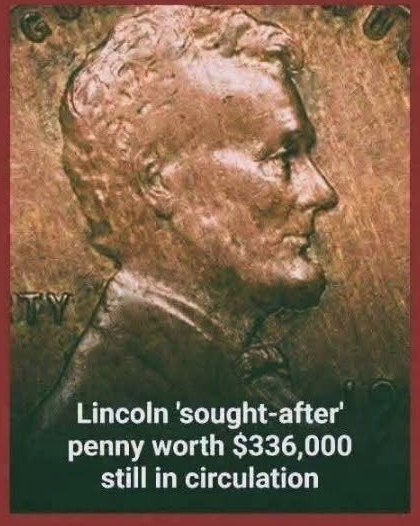
During World War II, even everyday objects were affected by the demands of the global conflict. In the United States, the need to conserve important materials led to changes in manufacturing, including the production of one-cent coins. One of the most interesting results was the introduction of the 1943 steel penny—and the accidental creation of a small number of bronze cents that would later become some of the most famous rarities in American coin collecting.
These unusual coins are fascinating not only because of their scarcity but also because of the historical circumstances surrounding their production. They connect the story of American currency with wartime resource management, industrial processes, and the unexpected mistakes that can occur during large-scale manufacturing.
Why the United States Changed Penny Production in 1943
Before 1943, Lincoln cents were traditionally made from a bronze alloy containing mostly copper, along with smaller amounts of other metals. The familiar reddish-brown appearance of these coins came from their copper-rich composition.
During World War II, copper became an important resource for military manufacturing. It was needed for a variety of equipment and supplies, making conservation a national priority.
To reduce the amount of copper used in coin production, the United States Mint changed the composition of the one-cent coin in 1943. Instead of the traditional bronze alloy, the Mint produced cents using steel coated with zinc.
The result was a coin that looked noticeably different from earlier Lincoln cents. Rather than having a copper-colored surface, the new pennies had a silver-gray appearance. They were also magnetic because of their steel composition.
This change was temporary, but it created one of the most recognizable coin varieties in American numismatic history.
How the Rare Bronze 1943 Cents Were Created
The unusual bronze 1943 cents are believed to have resulted from leftover bronze planchets remaining in the Mint’s production equipment when the material change took place.
A planchet is a blank metal disc prepared before a coin design is struck onto it. During the transition from bronze to steel, some bronze blanks from the previous production period apparently remained in the manufacturing process.
When these blanks were struck with dies bearing the 1943 date, they became Lincoln cents with an unexpected combination: the date of the new steel issue and the composition of the earlier bronze coins.
These pieces are known today as 1943 bronze Lincoln cents.
Their appearance made them especially interesting. While ordinary 1943 cents had a silver-gray finish, the bronze examples retained the familiar copper-colored look associated with earlier Lincoln pennies.
The unusual combination of date and metal composition helped turn these coins into important pieces of American numismatic history.
Why Collectors Became Interested
The discovery of the bronze 1943 cents attracted attention from coin enthusiasts and the wider public. Their unusual composition made them different from the millions of ordinary steel cents produced that year.
For collectors, a coin’s appeal can come from several factors, including rarity, historical background, condition, and the circumstances surrounding its production.
The 1943 bronze cents combine all of these elements. They are associated with a major historical event, represent an unusual production error, and are known in very limited numbers.
Their reputation grew as examples became known and collectors began searching for them. Over time, the coins became among the most recognizable rarities associated with Lincoln cent collecting.
Understanding the Difference Between Bronze and Steel Pennies
At first glance, distinguishing a genuine bronze 1943 cent from an ordinary steel penny may seem straightforward. The two coins have different colors and compositions, but appearance alone is not enough to establish authenticity.
<text weight=”medium”>The main differences include:</text>
- Composition: The rare examples are bronze, while regular 1943 cents are made from zinc-coated steel.
- Color: Bronze cents generally have a copper-colored appearance, while steel cents have a gray or silver-colored surface.
- Weight: A standard bronze Lincoln cent weighs approximately 3.11 grams. A 1943 steel cent weighs approximately 2.7 grams.
- Magnetic properties: Steel cents are attracted to a magnet, while bronze cents are not.
These characteristics can help identify a possible unusual coin, but they do not prove that it is genuine. Other metals, alterations, and counterfeit pieces can create misleading results.
How Experts Authenticate a 1943 Bronze Penny
Because genuine 1943 bronze cents are extremely rare and potentially valuable, authentication is essential before buying, selling, or making claims about a suspected example.
The first step is usually a careful examination of the coin’s physical characteristics. Experts consider its weight, dimensions, surface appearance, and overall condition.
Magnetic testing can provide an initial indication of whether a coin contains steel. However, a coin that does not respond to a magnet is not automatically a genuine bronze 1943 cent.
Professional examination may also involve studying the coin’s design details, identifying die characteristics, and using scientific methods to analyze its metal composition.
Reputable third-party grading and authentication services can provide an independent assessment. Their evaluations are particularly important when a coin may have significant financial value.
Collectors should be cautious about online listings that describe ordinary coins as rare errors without supporting evidence. A convincing appearance or an unusual date is not enough to establish authenticity.
Why a Rare Coin’s Condition Matters
Authenticity is only one part of a coin’s value. Condition also plays an important role in how collectors evaluate a specimen.
Coins are examined for details such as surface marks, scratches, wear, discoloration, and the quality of the original strike. A coin that has retained more of its original detail may receive a higher grade than one showing extensive wear.
However, collectors should avoid cleaning or polishing an old coin in an attempt to improve its appearance. Cleaning can damage the original surface and reduce collector interest.
Proper storage is also important. Coins should be handled carefully, preferably by their edges, and kept in suitable protective holders. Stable storage conditions help reduce the risk of environmental damage.
For a suspected rare 1943 bronze cent, professional advice is preferable to experimenting with cleaning products or attempting repairs.
The Connection Between Wartime Nickels and Steel Pennies
The 1943 bronze Lincoln cent is not the only example of American coin production changing during World War II.
The United States also modified the composition of the Jefferson nickel between 1942 and 1945. These coins included silver as part of a special alloy, allowing the Mint to conserve nickel for wartime manufacturing.
Known as wartime silver nickels, these pieces provide another example of how national priorities influenced everyday currency.
Comparing these coins helps explain the broader impact of World War II on American manufacturing. Changes in metal availability affected products that people used regularly, including the money carried in their pockets.
For collectors, wartime coinage offers an opportunity to study history through objects that remain familiar even decades later.
What Makes the 1943 Bronze Cent Historically Important?
The importance of these coins extends beyond their potential market value. They provide a physical connection to a period when American industries were adapting to extraordinary circumstances.
The decision to replace copper-rich pennies with steel illustrates how resource conservation influenced even routine government production. It also demonstrates the logistical challenges involved in changing established manufacturing systems.
The bronze examples represent an unusual outcome of that transition. Their existence shows how leftover materials and complex production processes can sometimes produce unexpected results.
For historians, the coins offer a useful starting point for discussing the relationship between the economy, industrial production, and wartime planning.
For collectors, they demonstrate that a small object can preserve a much larger historical story.
What Should You Do If You Find a 1943 Penny?
Finding a 1943 penny does not automatically mean that you have discovered a valuable rarity. Most surviving examples are ordinary steel cents, and they are much more common than the bronze variety.
Still, anyone who finds a coin with an unusual appearance may want to examine it carefully.
Start by checking the date and observing the coin’s color. A basic weight measurement and magnetic test can provide additional clues, but neither should be treated as a final authentication.
Avoid cleaning the coin, scratching its surface, or using chemicals to test its composition. These actions can cause permanent damage.
If the coin appears unusual, consult an experienced coin dealer or a recognized professional grading service. An expert can determine whether further testing is appropriate.
It is also wise to obtain independent advice before accepting a high-value offer or paying a substantial amount for a coin advertised as a rare error.
A Lasting Place in American Coin Collecting
The 1943 bronze Lincoln cent remains one of the most fascinating examples of an unusual coin produced during wartime. Its story combines a national effort to conserve resources with the technical demands of minting and the unexpected results of a manufacturing transition.
Although the coin is small, its historical background is considerable. It reminds collectors that currency is more than a means of payment. Coins can also preserve evidence of changing technologies, economic decisions, and important moments in history.
For anyone interested in American numismatics, the 1943 bronze cent offers a compelling subject of study. Its rarity attracts attention, but its connection to World War II is what gives the coin an especially meaningful place in the history of American money.