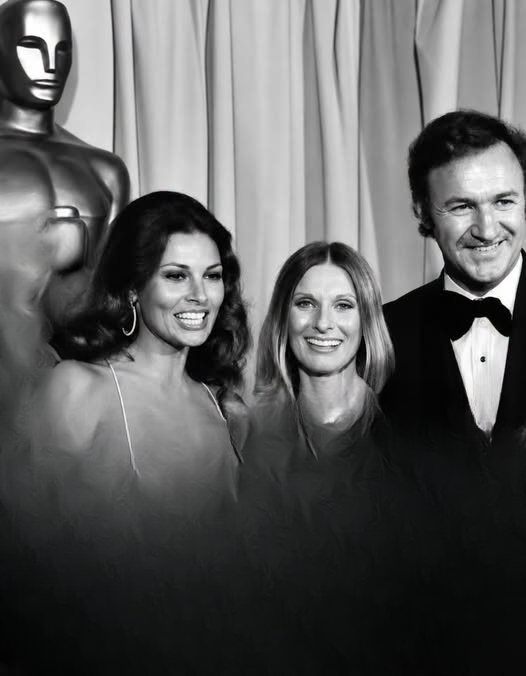
The Academy Awards have long been one of the entertainment industry’s most celebrated traditions. Each year, actors, directors, writers, musicians, and filmmakers gather to recognize achievements in cinema. Beyond the trophies and glamorous appearances, however, the Oscars also offer a glimpse into the cultural values, creative ambitions, and social changes shaping the film industry.
The 44th Academy Awards, held on April 10, 1972, were especially significant because they reflected a Hollywood undergoing a major transformation. American society was changing rapidly, younger audiences were developing different expectations, and filmmakers were exploring stories that challenged the conventions of earlier decades.
The ceremony celebrated outstanding achievements in filmmaking while highlighting a new direction for American cinema. Films were becoming more realistic, characters were growing more complicated, and stories increasingly explored subjects that had once received less attention from mainstream studios.
Looking back at the 1972 Oscars provides an opportunity to understand not only the movies that earned recognition but also the cultural moment that made them so memorable.
Hollywood at a Turning Point
By the early 1970s, Hollywood was moving away from some of the traditions that had defined its earlier golden age.
For decades, major studios had exercised considerable control over film production, actor contracts, publicity, and the public images of movie stars. Productions often followed familiar storytelling patterns, and leading characters were frequently portrayed as clear heroes or villains.
By the late 1960s, however, audience expectations were changing. Television had become a powerful competitor, younger moviegoers were seeking different kinds of stories, and filmmakers were experimenting with new approaches to storytelling.
Movies increasingly featured morally complicated characters, realistic settings, uncertain endings, and stories influenced by contemporary social concerns.
This transition did not mean traditional Hollywood entertainment disappeared. Musicals, romantic dramas, comedies, and familiar genres continued to attract audiences. Nevertheless, the industry was becoming more willing to take creative risks.
The 1972 Academy Awards reflected this changing environment. Several of the evening’s most celebrated films combined strong performances with storytelling that felt more grounded, unpredictable, and modern.
The 44th Academy Awards and Its Biggest Winners
The 44th Academy Awards recognized films released in 1971. The ceremony took place at the Dorothy Chandler Pavilion in Los Angeles, with Helen Hayes, Alan King, Sammy Davis Jr., and Jack Lemmon serving as hosts.
Among the evening’s most notable winners was The French Connection, which received the Academy Award for Best Picture.
Directed by William Friedkin, the crime drama became one of the defining American films of its era. Its gritty atmosphere, energetic pacing, and realistic portrayal of police work helped distinguish it from more conventional crime movies.
Gene Hackman won Best Actor for his performance as detective Jimmy Doyle, a determined but imperfect investigator whose methods and personality added complexity to the story.
Jane Fonda received Best Actress for Klute, in which she portrayed Bree Daniels, a woman whose life becomes intertwined with a missing-person investigation.
William Friedkin also won Best Director for The French Connection, while the film received additional recognition for its screenplay and editing.
The ceremony also honored The Last Picture Show, directed by Peter Bogdanovich. Ben Johnson won Best Supporting Actor, and Cloris Leachman received Best Supporting Actress for their performances in the film.
Together, these winners illustrated the range of filmmaking that was attracting attention in the early 1970s, from gritty urban crime dramas to intimate stories about relationships and small-town life.
Why The French Connection Made Such an Impression
Among the films honored that evening, The French Connection stood out for its distinctive approach to the crime genre.
The story follows two New York City detectives investigating an international narcotics-smuggling operation. Instead of relying entirely on elaborate studio sets and carefully staged action, the film made extensive use of real urban locations.
Busy streets, public transportation, crowded neighborhoods, and ordinary city buildings contributed to its atmosphere. New York became more than a backdrop; it helped create the tension and urgency that drove the story.
Friedkin’s direction emphasized movement, unpredictability, and realism. The film often placed viewers close to the action, making the investigation feel immediate rather than carefully choreographed.
Hackman’s performance was equally important. His character was persistent and capable, but he was also impatient, abrasive, and far from an idealized hero.
That combination reflected a broader trend in American filmmaking. Audiences were increasingly encountering protagonists whose flaws were as important to their identities as their strengths.
The film’s success at the Oscars demonstrated that a tough, unconventional crime drama could compete successfully for Hollywood’s highest honors.
Its influence also helped establish a style of filmmaking that would remain important throughout the decade.
Jane Fonda and a Changing Picture of Women on Screen
Jane Fonda’s victory for Klute represented another memorable moment of the ceremony.
In the film, Fonda portrayed Bree Daniels, a woman who works as a call girl while pursuing opportunities in modeling. Her character becomes involved in an investigation led by a detective searching for a missing man.
Rather than functioning merely as a supporting figure, Bree is central to the story. Her choices, experiences, fears, and ambitions influence the film’s direction.
Fonda’s performance offered a complicated portrayal of a woman navigating independence, personal vulnerability, and professional uncertainty.
The film arrived during a period when public conversations about women’s rights, employment, relationships, and personal autonomy were becoming increasingly prominent in American society.
Hollywood did not single-handedly create these changes, but cinema provided a space in which filmmakers could examine them through individual characters and personal stories.
Fonda herself was also a prominent public figure whose activities beyond acting attracted considerable attention. Her career demonstrated how a performer’s public identity could extend beyond the roles they played on screen.
Her Oscar win therefore formed part of a broader period in which women were increasingly portrayed as complex individuals with their own ambitions, contradictions, and emotional lives.
Although Hollywood continued to rely on traditional gender roles in many productions, performances such as Fonda’s demonstrated the growing importance of stories centered on women’s experiences.
The Lasting Appeal of The Last Picture Show
Another major film recognized at the ceremony was The Last Picture Show, directed by Peter Bogdanovich.
Set in a small Texas town during the early 1950s, the film explores the lives of residents confronting changing relationships, limited opportunities, loneliness, and uncertainty about the future.
The town’s declining movie theater serves as a symbol of a community gradually losing part of its identity.
The film’s black-and-white photography gave it a distinctive appearance, recalling earlier filmmaking traditions while presenting characters and situations through a more modern, psychologically detailed approach.
Its characters are neither entirely heroic nor entirely villainous. They make mistakes, experience disappointment, and struggle to understand what they want from life.
Ben Johnson won Best Supporting Actor for playing Sam the Lion, an older businessman whose presence connects different generations of the town.
Cloris Leachman received Best Supporting Actress for her portrayal of Ruth Popper, a woman dealing with emotional isolation and dissatisfaction in her marriage.
Their performances demonstrated how supporting characters can contribute substantially to a film’s emotional power. Even when they are not at the center of every scene, their experiences can help define the world in which the story takes place.
The film’s recognition also reflected Hollywood’s increasing willingness to explore ordinary lives without relying on simple resolutions or conventional happy endings.
The Rise of New Hollywood
The films associated with the 1972 Academy Awards are often discussed as part of the New Hollywood movement.
This period, particularly influential from the late 1960s through the 1970s, saw a generation of filmmakers challenge many of the conventions associated with the classical studio system.
Directors such as William Friedkin, Peter Bogdanovich, Francis Ford Coppola, and Martin Scorsese became associated with approaches that emphasized character psychology, unconventional storytelling, location shooting, and more complicated depictions of American life.
New Hollywood was not a single organized movement with one artistic philosophy. Its filmmakers had different backgrounds and ambitions. Nevertheless, many shared an interest in expanding what mainstream American cinema could explore.
Several developments helped encourage this change.
- Changing audiences: Younger moviegoers were increasingly interested in stories that reflected their experiences and challenged familiar expectations.
- Studio uncertainty: Financial pressures encouraged studios to experiment with new ideas and filmmaking approaches.
- Creative independence: Directors and writers increasingly sought opportunities to develop distinctive artistic voices.
- Technical developments: More flexible filmmaking equipment and production methods made certain types of location-based storytelling easier to pursue.
These changes helped produce films that felt different from many earlier studio productions.
The 1972 Oscars offered a snapshot of this transition, recognizing films that combined traditional cinematic craftsmanship with more contemporary storytelling techniques.
Fashion, Celebrity, and the Glamour of the Oscars
Although the films and performances remain central to the ceremony’s history, the Academy Awards have always been associated with fashion and celebrity culture.
The early 1970s brought changes in clothing, hairstyles, and personal style that reflected broader cultural shifts. Fashion was becoming more varied, and traditional formalwear increasingly existed alongside more expressive choices.
The Oscars continued to provide a platform for elegant gowns, tailored suits, carefully styled hair, and memorable public appearances. At the same time, the wider entertainment culture was becoming less uniform than it had been during Hollywood’s earlier studio era.
Celebrity identity was also evolving. Actors and directors were increasingly recognized not only for their professional achievements but also for their personal viewpoints, public activities, and cultural influence.
This made awards ceremonies important beyond the immediate presentation of trophies. They became occasions when entertainment, fashion, media coverage, and social attitudes intersected.
The 1972 ceremony belonged to a period when Hollywood’s established image of glamour remained powerful, even as the industry around it was becoming more diverse and experimental.
How the Films Reflected Their Time
The major winners of the 1972 Oscars shared an interest in characters who felt imperfect and believable.
The French Connection presented a demanding detective working in a difficult urban environment. Klute explored a woman’s complicated personal and professional circumstances. The Last Picture Show examined the frustrations and changing relationships of a small community.
These films approached their characters with greater psychological detail than audiences might have expected from some earlier mainstream productions.
They also reflected a wider cultural interest in uncertainty and realism.
The early 1970s were a period of political disagreement, social change, and shifting expectations. Movies did not need to address these subjects directly to reflect the atmosphere of the time. Their characters, settings, and storytelling styles could convey a sense of a society reassessing its assumptions.
This is one reason the films remain useful for understanding American cinema. They capture a moment when filmmakers were reconsidering how stories could be told and what kinds of characters deserved to be placed at the center of those stories.
The Enduring Influence of the 1972 Academy Awards
Looking back, the 44th Academy Awards represented more than a celebration of achievements from a single film year.
The ceremony recognized movies that helped shape the direction of American filmmaking during one of its most creatively active periods.
The French Connection demonstrated the power of realistic crime storytelling. Klute offered a complex female character whose experiences drove the narrative. The Last Picture Show showed how intimate stories about ordinary people could achieve major critical recognition.
Their success reflected an industry that was gradually broadening its artistic ambitions.
The Academy Awards did not cause the transformation of Hollywood, and the film industry continued to balance innovation with familiar commercial traditions. Nevertheless, the ceremony provided a useful record of the movies, performances, and creative approaches that captured attention at the time.
Final Thoughts
The 1972 Academy Awards remain an interesting chapter in Hollywood history because they took place during a period of profound creative change.
The ceremony honored films that explored complicated characters, realistic environments, and stories that challenged some of the conventions of earlier decades. At the same time, it preserved the familiar traditions of awards-season glamour, celebrated performances, and industry recognition.
The success of The French Connection, Klute, and The Last Picture Show illustrated how American cinema was expanding its storytelling possibilities.
Their influence continued beyond the evening itself, helping establish ideas and techniques that would shape filmmaking throughout the 1970s and beyond.
Ultimately, the 1972 Oscars offer a reminder that awards ceremonies can serve as more than historical records of winners and nominees. They can also reveal how an industry responds to changing audiences, evolving cultural values, and new artistic possibilities.
For anyone interested in classic Hollywood, the evening provides a fascinating glimpse into a moment when the traditions of the past met the emerging vision of cinema’s future.
Historical note: The 44th Academy Awards took place on April 10, 1972, and honored films released in 1971.