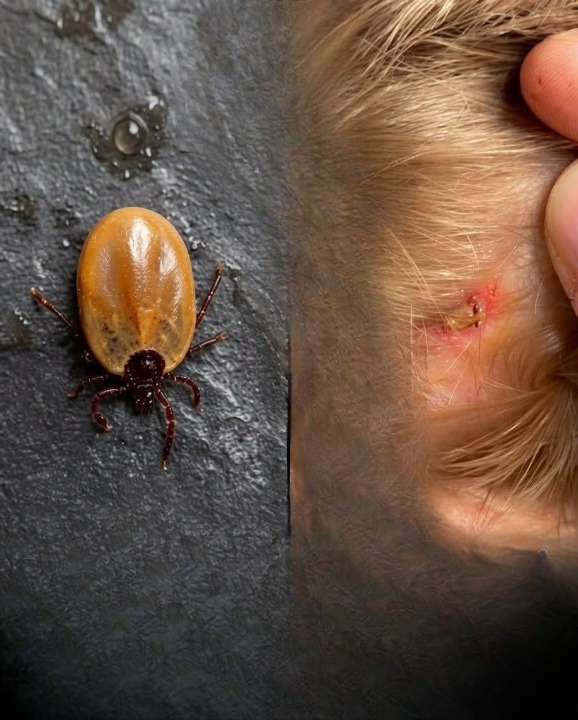
Finding a tick attached to your skin can be worrying, especially when it involves a child. Although most tick bites do not lead to serious illness, some ticks can transmit infections that require medical attention. Knowing how to remove a tick safely and recognize possible warning signs can help protect your family.
How to Remove a Tick Safely
If you discover a tick attached to the skin, stay calm and remove it as soon as possible. Use clean, fine-tipped tweezers to grasp the tick as close to the skin as you can. Pull upward slowly and steadily without twisting or crushing it.
Avoid using petroleum jelly, nail polish, alcohol, or heat to force the tick to detach. These methods are not recommended and may delay proper removal.
After removing the tick, wash the bite area and your hands with soap and water. If possible, take a clear photograph of the tick or keep it in a sealed container in case a healthcare professional needs to identify it. Make a note of the date and where the bite occurred.
Prompt removal is important because the risk of certain tick-borne infections can increase the longer an infected tick remains attached.
Warning Signs to Watch For
Some people develop mild redness or irritation around the bite. However, symptoms that appear in the following days or weeks deserve attention.
Watch for:
-
Fever or chills.
-
Headaches or unusual tiredness.
-
Muscle aches or joint pain.
-
A rash that spreads or changes over time.
-
Swelling, redness, or increasing pain around the bite.
Certain tick-borne illnesses can cause a distinctive expanding rash, but not everyone develops one. The absence of a rash does not rule out an infection.
If you or your child develops these symptoms after a tick bite, contact a healthcare professional promptly and explain when the bite occurred. Do not wait for symptoms to become severe before seeking advice.
Seek emergency medical care if serious symptoms develop, such as difficulty breathing, fainting, confusion, or sudden facial or throat swelling.
When Is Medical Advice Especially Important?
If you are unsure how long the tick was attached, cannot identify it, or believe it may have been attached for an extended period, contact a healthcare professional. Depending on the tick species, location, and circumstances of the bite, preventive medication may sometimes be recommended. Such treatment is appropriate only in specific situations and may need to be started within a limited time.
Do not take antibiotics or other medication without medical guidance.
If part of the tick remains in the skin after removal, avoid digging deeply into the area. A healthcare professional can advise you on what to do, particularly if the area becomes increasingly painful, swollen, or infected-looking.
How to Prevent Future Tick Bites
Taking a few precautions can reduce the likelihood of tick bites, particularly when spending time outdoors.
-
Use an age-appropriate insect repellent according to its label.
-
Wear long sleeves, long trousers, and closed shoes in grassy or wooded areas.
-
Stay on established paths when possible.
-
Check the skin, scalp, hairline, armpits, waist, and behind the knees after outdoor activities.
-
Shower after returning indoors and check clothing and outdoor equipment for ticks.
-
Examine pets regularly, since they can carry ticks into the home.
Children may need help checking areas they cannot easily see themselves.
The Most Important Thing to Remember
A tick bite does not automatically mean someone will become ill. Many bites cause no serious problems, and prompt, careful removal can reduce the risk of infection.
Still, it is important not to ignore unusual symptoms that develop afterward. Remove the tick correctly, monitor the affected area, and seek medical advice if concerns arise.
Early awareness and appropriate medical care are your best protection. Knowing what to look for can help you respond confidently rather than panic when a tick is discovered.