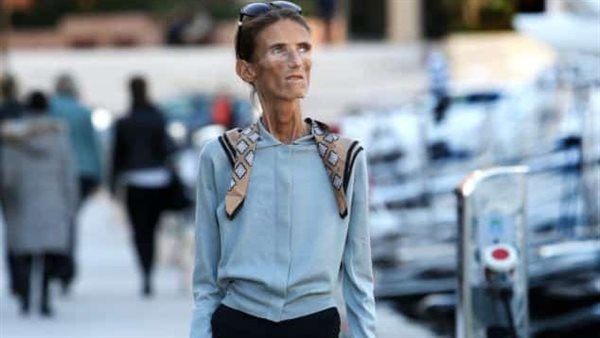
Valeria Levitin became known internationally because of her extremely low body weight and her willingness to speak publicly about the serious consequences of restrictive eating. Rather than presenting her appearance as something to admire, she has used her personal experience to warn others about eating disorders and the risks of pursuing unrealistic beauty standards.
Her story highlights how pressure surrounding body image can affect a person’s physical health, emotional well-being, relationships, and everyday life.
Speaking Out Against Dangerous Weight-Loss Goals
Levitin has been described in media reports as one of the world’s thinnest women. Reports about her condition have included accounts of a body weight far below what would generally be considered healthy for someone of her height.
However, Levitin has made an important distinction between being admired for an appearance and understanding the suffering that can accompany an eating disorder.
According to accounts of her interviews, she has received messages from young women asking how they could achieve a similarly low weight. She has rejected those requests, explaining that her experience should not be treated as an example to follow.
Her message is particularly important for people who encounter extreme weight-loss images online. A person’s appearance does not reveal the full condition of their health, and severe weight loss should never be treated as proof of discipline, beauty, or success.
Early Experiences With Body Image
Levitin has spoken about how her concerns surrounding food and body image began during childhood. In her account, family concerns about her weight influenced the way she thought about eating and her appearance from an early age.
She has described growing up in an environment where her weight was closely monitored. These experiences contributed to an increasingly complicated relationship with food and body image.
During her teenage years, she moved to Chicago. At around 16, she reportedly weighed approximately 10 stone. Adjusting to a new school and wanting to feel accepted became part of the pressure she experienced.
She believed that losing weight might help her fit in and become more popular. As a result, she began restricting her diet, avoiding foods such as sugar and carbohydrates.
What may have started as an attempt to change her appearance gradually became a much more serious problem. Her experience illustrates how social pressure, fear of judgment, and concerns about body image can contribute to unhealthy eating patterns.
The Physical Consequences of Restrictive Eating
As the years passed, Levitin’s reported weight continued to decline. By her early twenties, she had experienced substantial changes in her body, and the demands associated with modeling and dancing added further pressure.
According to published accounts, she reached a point where she was advised to stop dancing because of concerns about her health.
Her condition reportedly became increasingly serious, despite seeking help from numerous medical professionals. She has described difficulties with food and physical limitations that affected her daily routine.
The consequences of severe food restriction can extend well beyond changes in appearance. When the body does not receive enough energy and essential nutrients, it may struggle to maintain normal functions.
Potential complications of prolonged malnutrition include muscle weakness, fatigue, dizziness, impaired concentration, bone loss, heart-related problems, and damage to other organs. The specific effects vary from person to person and require professional medical assessment.
Levitin’s experience demonstrates why extreme dieting should never be regarded as a harmless lifestyle choice.
How an Eating Disorder Can Affect Everyday Life
Eating disorders can influence nearly every part of a person’s life. Food-related fears and routines may make ordinary activities difficult, including eating with friends, attending celebrations, traveling, or maintaining relationships.
Levitin has discussed how her condition affected her social life. Reports have described a prolonged period of isolation and difficulties participating in everyday situations involving meals.
For someone experiencing an eating disorder, an invitation to a restaurant may involve anxiety rather than enjoyment. Even familiar foods can become sources of stress.
This is one reason eating disorders should not be viewed simply as problems involving food or appearance. They can involve emotional, psychological, and physical challenges that require understanding and appropriate care.
Friends and relatives can help by offering support without criticism, avoiding comments about someone’s body, and encouraging professional assistance when needed.
The Importance of Professional Support
Levitin has reportedly sought help from many health specialists throughout her struggle. Her experiences also highlight that recovery from a long-term eating disorder can be complicated and may require several forms of support.
Treatment can involve medical monitoring, nutritional rehabilitation, psychological therapy, and ongoing follow-up. The approach depends on the person’s individual circumstances and medical needs.
A healthcare professional can assess nutritional deficiencies, physical complications, and other risks associated with prolonged restriction.
It is also important to recognize that recovery does not follow the same schedule for everyone. Some people need long-term treatment and support, and setbacks do not mean that progress is impossible.
Anyone experiencing persistent food restriction, intense fear of weight gain, or distress surrounding eating should consider speaking with a qualified healthcare professional. Early support can make an important difference.
Challenging Unrealistic Beauty Standards
Levitin’s story also raises wider questions about the messages people receive about beauty and body image.
Social media, advertising, entertainment, and fashion can create narrow expectations about how people should look. When these expectations become unrealistic, individuals may feel pressure to change their bodies in ways that put their health at risk.
It is important to remember that there is no single appearance that defines health or personal worth. Body size alone cannot provide a complete picture of someone’s physical condition.
Healthy habits should focus on nourishment, adequate rest, enjoyable movement, and emotional well-being rather than trying to reach an extreme number on a scale.
Parents, schools, and online communities also have a role in encouraging healthier conversations about appearance. Praising people only for losing weight or commenting frequently on their bodies can unintentionally reinforce harmful beliefs.
A more supportive approach recognizes individual differences and places health ahead of unrealistic expectations.
Looking Toward the Future
Levitin has spoken about wanting to improve her health and find greater balance in her life. Published accounts have also mentioned her interest in returning to Moscow, where she has described feeling a stronger personal connection.
She has discussed hopes for motherhood and the possibility of pursuing surrogacy. These are personal plans, and their details should be understood as part of her own account rather than assumptions about what will happen.
Her story is a reminder that people living with eating disorders have hopes, interests, relationships, and ambitions that extend far beyond their illness.
A Message About Health, Not Appearance
Valeria Levitin’s experience offers an important warning about the dangers of extreme dieting and the pressure to meet unrealistic standards.
Her message to young people who ask about achieving extreme thinness is clear: her experience is not a goal to pursue. It is a reminder of how seriously an eating disorder can affect a person’s life.
A balanced approach to health means respecting the body’s nutritional needs, seeking reliable medical guidance, and understanding that self-worth is not determined by weight or clothing size.
Most importantly, people struggling with food or body-image concerns deserve compassion rather than judgment. Their difficulties should be taken seriously, and professional support should be encouraged.
Levitin’s decision to speak about her experiences helps bring attention to a subject that is often misunderstood. Her story is not about achieving an ideal appearance. It is about recognizing the consequences of extreme restriction and encouraging others to place their health and well-being first.