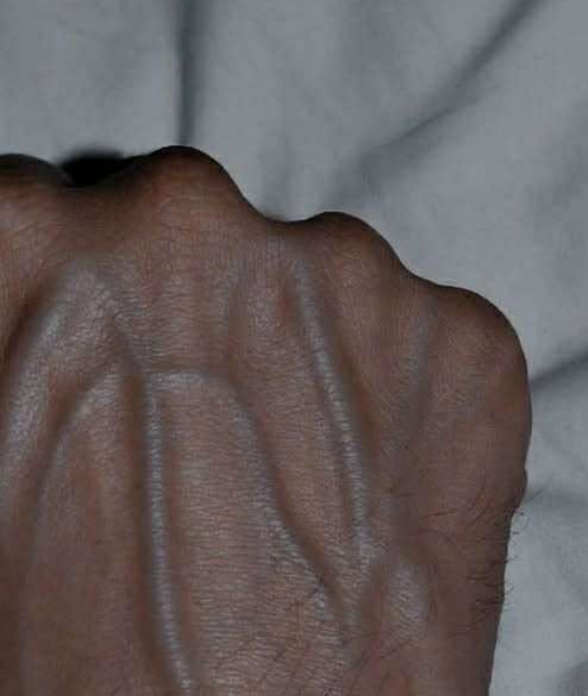
Visible veins can sometimes cause concern, especially when they seem more noticeable than before. However, prominent veins are often a normal physical variation and do not automatically indicate a health problem. Factors such as skin thickness, body composition, genetics, temperature, and physical activity can all influence how clearly veins appear beneath the skin.
Understanding what may cause visible veins—and recognizing when other symptoms deserve medical attention—can help you make informed decisions about your health.
Why Some People Have More Visible Veins
Veins carry blood back toward the heart, and their appearance varies considerably from person to person. Some people naturally have veins that are easier to see, while others may notice them becoming more prominent as their bodies change.
Thin skin is one possible explanation. When the skin and the layer of tissue beneath it are relatively thin, underlying blood vessels may be easier to see. Veins can also become more noticeable with age as skin gradually loses some of its thickness and elasticity.
Body composition can make a difference, too. People with lower body fat may have less tissue covering their veins, particularly in the hands, arms, and legs. This is one reason visible veins are common among some athletes and physically active individuals.
Genetics also plays a role. If prominent veins are common among family members, you may have inherited similar characteristics.
Exercise and Temperature Can Change Their Appearance
Physical activity can temporarily make veins stand out more. During exercise, blood flow increases to working muscles, and veins may become more noticeable. This is especially common during weightlifting and other activities that involve sustained muscular effort.
Warm weather can also affect their appearance. Heat causes blood vessels near the skin to widen, helping the body release heat. As a result, veins may appear more prominent after a hot shower, during warm weather, or following exercise.
These changes are often temporary. If the veins become less noticeable after the body cools down or exercise ends, that may be consistent with a normal response. However, appearance alone cannot determine whether a vascular problem is present.
When Visible Veins May Need Medical Attention
Visible veins are not necessarily a cause for alarm, but new or unusual changes should be considered alongside other symptoms.
Varicose veins, for example, may appear enlarged, twisted, or raised beneath the skin, most commonly in the legs. Some people experience aching, heaviness, itching, or swelling after standing for long periods. A healthcare professional can assess whether treatment or further evaluation is appropriate.
Other symptoms deserve particular attention, including:
- Persistent pain or tenderness around a vein.
- New or worsening swelling in an arm or leg.
- Redness, warmth, or discoloration around a vein.
- Skin changes or sores that are slow to heal.
- Unusual numbness, tingling, or coldness in a hand or foot.
These symptoms can have several causes, so they should not be used to diagnose a condition without an appropriate medical assessment.
Seek urgent medical care if one leg or arm suddenly becomes swollen, painful, warm, or discolored, as these symptoms can sometimes indicate a blood clot. If you experience sudden shortness of breath, chest pain, fainting, or coughing up blood, call emergency services immediately.
Do Visible Veins Mean You Have Poor Circulation?
Not necessarily. Vein visibility by itself is not a reliable measure of circulation. Some healthy people have prominent veins, while circulation problems can occur without veins being especially visible.
Circulation concerns are more likely to require evaluation when there are additional symptoms, such as persistent swelling, pain during walking, skin changes, or wounds that do not heal normally. A clinician can review your symptoms and medical history and determine whether examination or testing is needed.
It is also important not to assume that every visible vein is a varicose vein or a sign of a more serious condition. The location, appearance, timing, and accompanying symptoms all matter.
What You Can Do to Support Vein Health
For most people, visible veins do not require treatment if they are longstanding, painless, and unaccompanied by other concerning symptoms. General habits that support overall vascular health include regular physical activity, avoiding prolonged periods of sitting or standing without movement, and maintaining a balanced diet.
If you spend long periods at a desk, taking regular movement breaks can help reduce prolonged inactivity. If your job requires standing for extended periods, changing positions and walking when possible may improve comfort.
People who experience recurring leg swelling or aching should discuss their symptoms with a healthcare professional. Depending on the cause, a clinician may recommend measures such as compression garments, but these are not appropriate for everyone and should be selected with individual health needs in mind.
Avoid relying on supplements, creams, or online remedies that promise to eliminate visible veins without evidence that they address the underlying cause.
Pay Attention to Changes, Not Just Appearance
A vein that has always been visible and causes no discomfort is different from one that suddenly becomes prominent alongside pain, swelling, or skin changes. Paying attention to what has changed can help you decide whether medical advice is needed.
If you are unsure why your veins have become more noticeable, a healthcare professional can evaluate the affected area and consider possible explanations. Photographs taken over time may also help you describe changes, although they cannot replace a medical examination.
The Bottom Line
Visible veins often reflect normal differences in skin, body composition, genetics, exercise, or temperature. Their appearance alone does not mean you have poor circulation or a serious illness.
The more important consideration is whether the veins have changed suddenly or are accompanied by pain, swelling, warmth, discoloration, or other unusual symptoms. Recognizing these warning signs—and seeking medical advice when appropriate—can help you protect your health without becoming unnecessarily alarmed by a common physical feature.