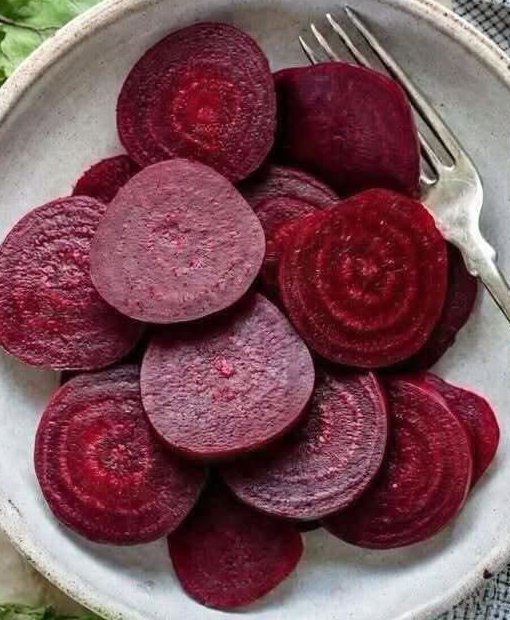
Beets are more than just a colorful root vegetable. They contain fiber, vitamins, minerals, and naturally occurring plant compounds that can contribute to a balanced diet. Their deep red color comes from pigments called betalains, while their natural nitrate content has attracted attention for its possible effects on blood circulation and cardiovascular health.
Adding beets to regular meals can offer several nutritional benefits. Here are some of the ways they may support the body and a few things worth keeping in mind.
1. They May Help Support Healthy Blood Pressure
One of the most studied features of beets is their naturally occurring nitrate content.
After eating nitrate-rich foods, the body can convert dietary nitrate into nitric oxide. This compound helps blood vessels relax, allowing blood to flow more easily.
Some research involving people with elevated blood pressure has found that beetroot juice may produce a modest reduction in systolic blood pressure. However, results can vary depending on the person, the amount consumed, and the form of beetroot used.
Beets can be part of a heart-conscious eating pattern, but they should never replace prescribed blood-pressure medication or medical advice.
2. Their Fiber Can Support Digestion
Beets provide dietary fiber, which plays an important role in digestive health.
Fiber helps support regular bowel movements and contributes to a healthy digestive system. It also helps slow the absorption of carbohydrates, which can support more gradual changes in blood sugar after meals.
Eating enough fiber may also help maintain healthy cholesterol levels as part of an overall balanced diet.
For additional fiber, beets can be combined with vegetables, beans, whole grains, and other plant-based foods.
3. They Contain Antioxidant Plant Compounds
The rich color of red beets comes largely from betalains, natural pigments that have antioxidant properties.
Antioxidants help protect cells from oxidative stress, which occurs when there is an imbalance between free radicals and the body’s antioxidant defenses.
Beets also contain other beneficial plant compounds. Although researchers continue to study their potential effects, eating beets should be viewed as one part of a varied diet rather than a treatment for disease.
Including different colorful fruits and vegetables is a practical way to obtain a broad range of plant nutrients.
4. They May Support Exercise and Circulation
The nitrates found in beets have also been studied in relation to physical performance.
Because nitric oxide helps blood vessels relax, researchers have investigated whether beetroot products can influence blood flow and the efficiency of oxygen use during exercise.
Some studies suggest that nitrate-rich beetroot juice may offer small performance benefits for certain activities, although the effects are not consistent for everyone.
Beets are not a substitute for regular exercise, adequate hydration, or proper recovery, but they can be included in meals as part of an active lifestyle.
5. They Can Temporarily Change Urine or Stool Color
One effect that can surprise people is a temporary reddish or pink color in urine or bowel movements after eating beets.
This is known as beeturia. It occurs when some of the natural beet pigments pass through the digestive system and are eliminated from the body.
For many people, this change is harmless and disappears after the pigments have passed.
However, red or pink urine or stool should not automatically be blamed on beets. If the discoloration occurs without recent beet consumption, continues, or is accompanied by pain or other symptoms, medical advice is important to rule out other causes.
6. People Prone to Certain Kidney Stones Should Be Careful
Beets contain oxalates, naturally occurring compounds found in many plant foods.
For most people, eating ordinary portions of beets is not a concern. However, people who have a history of calcium-oxalate kidney stones may be advised to manage their intake of high-oxalate foods.
Individual recommendations can vary depending on medical history and kidney-stone risk. Anyone who has been advised to follow a specific kidney-stone diet should discuss suitable portions with a healthcare professional.
Easy Ways to Add Beets to Your Meals
Beets can be enjoyed in several ways, making them easy to include in everyday cooking.
- Roast them with a little olive oil and herbs.
- Add cooked beets to salads with leafy greens and nuts.
- Blend them into smoothies with fruit.
- Use grated raw beets in vegetable salads.
- Add them to soups or grain-based meals.
Fresh, cooked, and packaged beets can all contribute nutrients. When choosing canned or prepared varieties, checking the ingredient list and sodium content can help you make an informed choice.
The Bottom Line
Beets provide fiber, antioxidants, and natural nitrates that may support digestion and cardiovascular health. Research suggests that nitrate-rich beetroot products can have a modest effect on blood pressure, while their fiber contributes to a healthy digestive system.
They are not a miracle food or a replacement for medical treatment, but they can be a useful addition to a varied diet. Enjoying beets alongside other vegetables, fruits, whole grains, and protein sources is a simple way to support balanced nutrition.