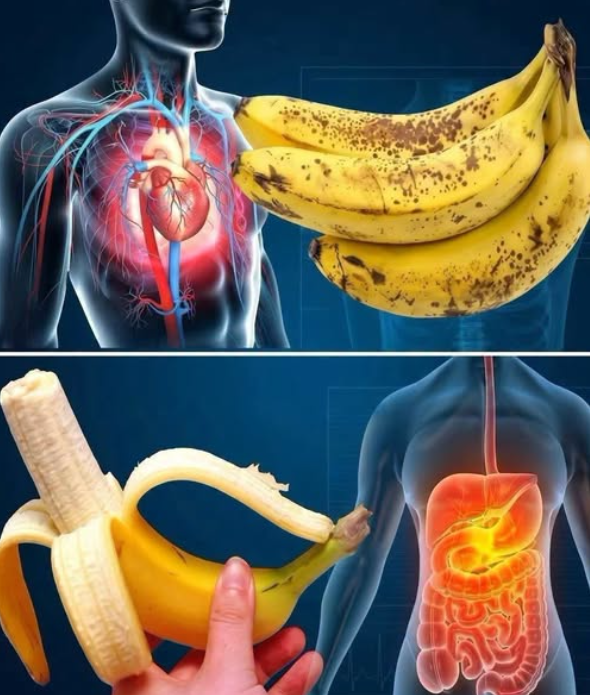
Bananas are among the most popular fruits worldwide. They are affordable, naturally sweet, easy to carry, and simple to add to everyday meals. Whether eaten at breakfast, enjoyed as an afternoon snack, or included in a smoothie, bananas offer a convenient way to get several important nutrients.
Although they may look like an ordinary fruit, bananas contain potassium, dietary fiber, vitamin B6, vitamin C, and carbohydrates that provide energy. These nutrients support several normal functions in the body, including muscle activity, digestion, and cardiovascular health.
However, like any food, bananas have benefits and limitations. Understanding their nutritional value can help you decide how they fit into a balanced diet.
1. Bananas Provide Several Important Nutrients
A medium-sized banana contains approximately 110 calories, 28 grams of carbohydrates, 3 grams of fiber, and around 450 milligrams of potassium. Exact amounts vary depending on the fruit’s size and ripeness.
Bananas also provide vitamin B6, vitamin C, manganese, and smaller amounts of other nutrients.
One of their most important nutritional features is potassium. This mineral helps regulate fluid balance, supports nerve communication, and allows muscles to contract normally.
Bananas also provide carbohydrates that the body can use for energy. This makes them a practical snack for people with busy schedules or those who exercise regularly.
2. Potassium Plays an Important Role in Heart Health
Potassium is essential for normal cardiovascular function. It helps regulate fluid balance and supports the electrical signals responsible for normal heart muscle activity.
Getting enough potassium through food may also support healthy blood pressure. This is particularly important because blood pressure is influenced by several factors, including sodium intake, physical activity, genetics, age, and kidney function.
Bananas are one convenient source of potassium, but they are not the only option. Potatoes, beans, lentils, leafy vegetables, and yogurt also contribute to daily potassium intake.
A balanced eating pattern that includes different fruits and vegetables is generally more beneficial than relying on one particular food.
3. Bananas Contain Fiber That Supports Digestion
Dietary fiber is important for normal digestive function. A medium banana provides approximately three grams of fiber, contributing to the amount needed throughout the day.
Fiber helps influence stool consistency and movement through the digestive tract. Some types also provide nourishment for microorganisms living in the large intestine.
Bananas can be combined with other fiber-rich foods, such as oatmeal, vegetables, beans, nuts, and seeds, to support a varied diet.
People who are increasing their fiber intake should generally do so gradually. Drinking adequate fluids, when medically appropriate, can also support normal bowel function.
4. Green and Ripe Bananas Have Different Properties
The ripeness of a banana changes its texture, sweetness, and carbohydrate composition.
Green bananas generally contain more resistant starch. Unlike ordinary starch, resistant starch is not completely digested in the small intestine. Some of it reaches the large intestine, where intestinal bacteria can ferment it.
As bananas ripen, enzymes convert more of their starch into simpler sugars. This makes the fruit softer and sweeter.
Yellow bananas are convenient for everyday snacks, while very ripe bananas are often useful in smoothies, oatmeal, and baking.
Neither stage is automatically better for everyone. The best choice depends on personal preference and digestive tolerance.
5. Bananas Provide Vitamins That Support Normal Body Functions
Bananas contain vitamin B6, which participates in protein metabolism, the production of certain neurotransmitters, and the formation of hemoglobin.
Hemoglobin is the protein in red blood cells responsible for carrying oxygen throughout the body.
Bananas also provide vitamin C, which supports normal immune function, collagen production, and protection against oxidative damage.
Although bananas contribute these nutrients, they should be combined with other foods to create a balanced diet.
For example, banana slices with plain yogurt, oatmeal, and nuts provide a wider range of nutrients than eating the fruit alone.
6. They Can Provide Convenient Energy Before Exercise
Bananas are popular among people who enjoy walking, cycling, running, and other physical activities.
Their carbohydrate content makes them a convenient source of energy. A medium banana contains approximately 28 grams of carbohydrates, which the body can use to help fuel physical activity.
Because bananas are portable and require no preparation, they are easy to eat before a workout or during a busy day.
The ideal timing depends on the individual and the type of exercise. Some people prefer a banana shortly before activity, while others find it more comfortable to eat one earlier.
For longer or more demanding exercise, a banana alone may not provide everything the body needs. Hydration and additional nutrients may also become important.
7. Bananas Can Be Part of a Post-Workout Snack
After exercise, the body needs to restore energy stores and support muscle recovery.
Carbohydrates help replenish glycogen, while protein provides amino acids used for maintaining and repairing body tissues.
Bananas provide carbohydrates but relatively little protein. Pairing one with a protein-containing food can create a more balanced recovery snack.
Some simple combinations include:
- A banana with plain yogurt.
- Banana slices with oatmeal and nuts.
- A banana blended with milk.
- A banana served alongside a protein-rich breakfast.
The best option depends on exercise intensity, personal preferences, and overall nutritional needs.
8. Bananas Can Fit Into a Weight-Management Plan
Some people avoid bananas because they contain natural sugars and carbohydrates. However, this does not mean they automatically cause weight gain.
A medium banana contains approximately 110 calories and around 15 grams of naturally occurring sugar. It also provides fiber, potassium, and other nutrients.
Weight management depends on long-term eating habits, total energy intake, physical activity, sleep, medications, and individual health factors.
A banana can be a convenient alternative to some highly processed snacks. It can also add natural sweetness to oatmeal or homemade recipes.
The important consideration is the overall eating pattern rather than one individual food.
9. People With Diabetes Can Often Include Bananas in Their Diet
Bananas contain carbohydrates, which can raise blood glucose after eating. People living with diabetes may therefore need to consider portion sizes and the total carbohydrates in their meals.
Ripeness can also influence the fruit’s carbohydrate characteristics. Less-ripe bananas generally contain more resistant starch, while ripe bananas contain more readily available sugars.
Pairing a banana with plain yogurt or nuts can help create a more balanced snack.
There is no single portion that is appropriate for everyone with diabetes. Individual needs depend on medication, activity levels, glucose targets, and the person’s overall meal plan.
People monitoring their blood glucose can follow the guidance provided by their healthcare team.
10. Bananas May Be Useful During Mild Digestive Upset
Because bananas have a soft texture and provide potassium, some people find them easy to eat when recovering from mild digestive discomfort.
Diarrhea can cause the body to lose fluids and electrolytes, including potassium. Bananas provide some of this mineral, although they cannot replace the fluids and electrolytes needed during significant dehydration.
An appropriately formulated oral rehydration solution may be necessary when fluid loss is substantial.
Persistent diarrhea, blood in the stool, high fever, severe weakness, or signs of dehydration should receive medical attention.
11. Some People Need to Be Careful With Potassium Intake
Bananas are generally safe for most healthy people. However, certain medical conditions can make potassium intake an important consideration.
People with advanced chronic kidney disease may have difficulty removing excess potassium from the blood. This can lead to a condition called hyperkalemia.
Some medications used to manage blood pressure or heart conditions can also affect potassium levels.
For these individuals, the appropriate amount of potassium depends on kidney function, blood test results, medications, and medical advice.
A banana that is suitable for one person may need to be limited by another. Anyone with a prescribed potassium restriction should follow an individualized dietary plan.
12. Banana Allergies Are Possible
Although uncommon, banana allergies can occur.
Symptoms may include itching or tingling in the mouth, swelling, hives, or digestive discomfort. Some people with banana allergies also experience cross-reactions associated with natural rubber latex, a condition known as latex-fruit syndrome.
Anyone who repeatedly experiences symptoms after eating bananas should seek medical advice.
Difficulty breathing, swelling of the tongue or throat, or faintness may indicate a severe allergic reaction and require emergency medical assistance.
13. Eating Bananas Every Day Can Be a Reasonable Habit
For many healthy adults, including a banana in their daily diet is perfectly reasonable.
However, eating the same fruit every day is not necessary to maintain good nutrition. Apples, oranges, berries, and other fruits also provide valuable nutrients.
A varied diet helps supply a broader range of vitamins, minerals, and plant compounds.
Bananas can be enjoyed at breakfast, between meals, or after physical activity. Their convenience makes them particularly useful for people who want a simple snack without complicated preparation.
14. Simple Ways to Add Bananas to Everyday Meals
Bananas are versatile and can be included in many different dishes.
Here are a few easy ideas:
- Breakfast: Add sliced banana to oatmeal or whole-grain cereal.
- Smoothies: Blend banana with milk, plain yogurt, or other fruit.
- Quick snacks: Enjoy a banana with a small serving of nuts.
- Homemade baking: Use mashed ripe bananas to add sweetness and moisture.
- Frozen desserts: Freeze banana slices and blend them into a creamy mixture.
These combinations can make everyday meals more enjoyable while adding nutritional variety.
15. Separating Banana Myths From Facts
Bananas are sometimes described online as a miracle food. While they offer genuine nutritional benefits, some claims exaggerate what they can accomplish.
Myth: Bananas prevent heart attacks on their own.
Fact: Bananas provide potassium, which supports normal cardiovascular function. Heart health depends on many factors, including blood pressure, cholesterol, physical activity, and overall diet.
Myth: Bananas always cause weight gain.
Fact: Bananas contain calories and carbohydrates, but they can fit into a balanced weight-management plan.
Myth: Everyone should eat several bananas every day.
Fact: There is no universal requirement to eat multiple bananas daily. Individual nutritional needs vary.
Myth: Bananas cure constipation.
Fact: Bananas provide fiber, which contributes to normal digestion, but persistent constipation can have several causes and may require medical evaluation.
Myth: Bananas provide everything needed for breakfast.
Fact: Bananas contain useful nutrients but relatively little protein and fat. Combining them with other foods creates a more balanced meal.
Final Thoughts: A Simple Fruit With Several Nutritional Benefits
Bananas have earned their place as one of the world’s most popular fruits. They are affordable, convenient, and provide several nutrients that support normal bodily functions.
Their potassium contributes to healthy muscle and nerve activity. Their fiber supports digestive function, while their carbohydrates provide a practical source of energy.
For most people, bananas can be enjoyed as part of a varied and balanced eating pattern. They work well in breakfast dishes, smoothies, snacks, and homemade recipes.
However, people with kidney conditions, specific medication-related restrictions, diabetes, or food allergies may need individualized guidance.
No single food can replace medical care or provide every nutrient the body needs. The greatest benefits come from combining nutritious foods with healthy daily habits.
Sometimes, one of the simplest ways to improve dietary variety is to make room for an ordinary fruit like a banana.